As reported by the Wall Street Journal, the language model Claude from Anthropic played a key role in the operation to capture former Venezuelan president Nicolás Maduro. This event marks a turning point not only for diplomacy, but above all for the AI sector, which has so far shied away from direct involvement in kinetic operations.
The success of the operation, which ended with Maduro being transported to New York on drug trafficking charges, relied on a technological triangle: the computing power of Anthropic, the Palantir data integration platform and the US Department of Defence infrastructure. This partnership with Palantir proved to be a kind of ‘Trojan horse’ for Anthropic, allowing it to have a presence in top-secret networks to which access for civilian AI giants had hitherto been limited.
For Silicon Valley, this issue is extremely uncomfortable. Anthropic, now valued at a staggering $380 billion, has built its image as a ‘secure and ethical’ company. Their official usage policy categorically prohibits the use of Claude to support violence or surveillance. However, the model’s presence in the Pentagon’s classified systems suggests that these rules become flexible when national security interests are at stake.
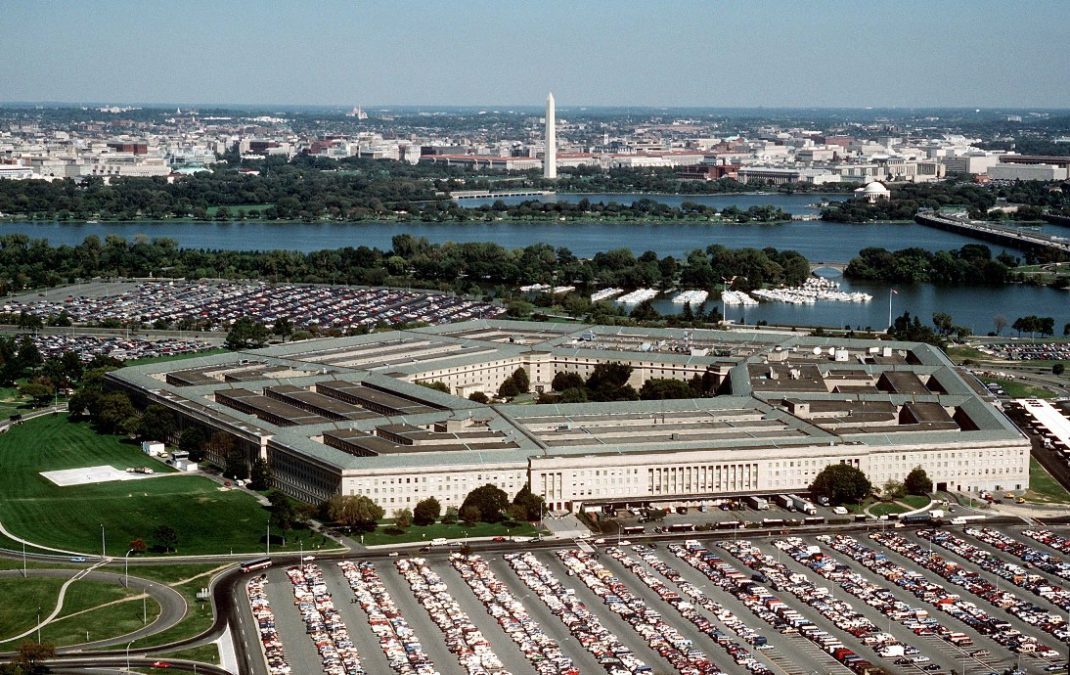
The Pentagon has been putting pressure on market leaders such as OpenAI and Anthropic for months, demanding the removal of security roadblocks in tools provided to the military. The military argues that standard restrictions that protect the average user from generating harmful content become a hindrance in a wartime environment.
From a business perspective, Anthropic’s marriage with the military-industrial complex is a signal to investors that the biggest profits from AI may lie in government contracts, even at the expense of image consistency. While competitors still operate mainly in unclassified networks, Anthropic – thanks to the intermediation of third parties – has gained a strategic advantage.