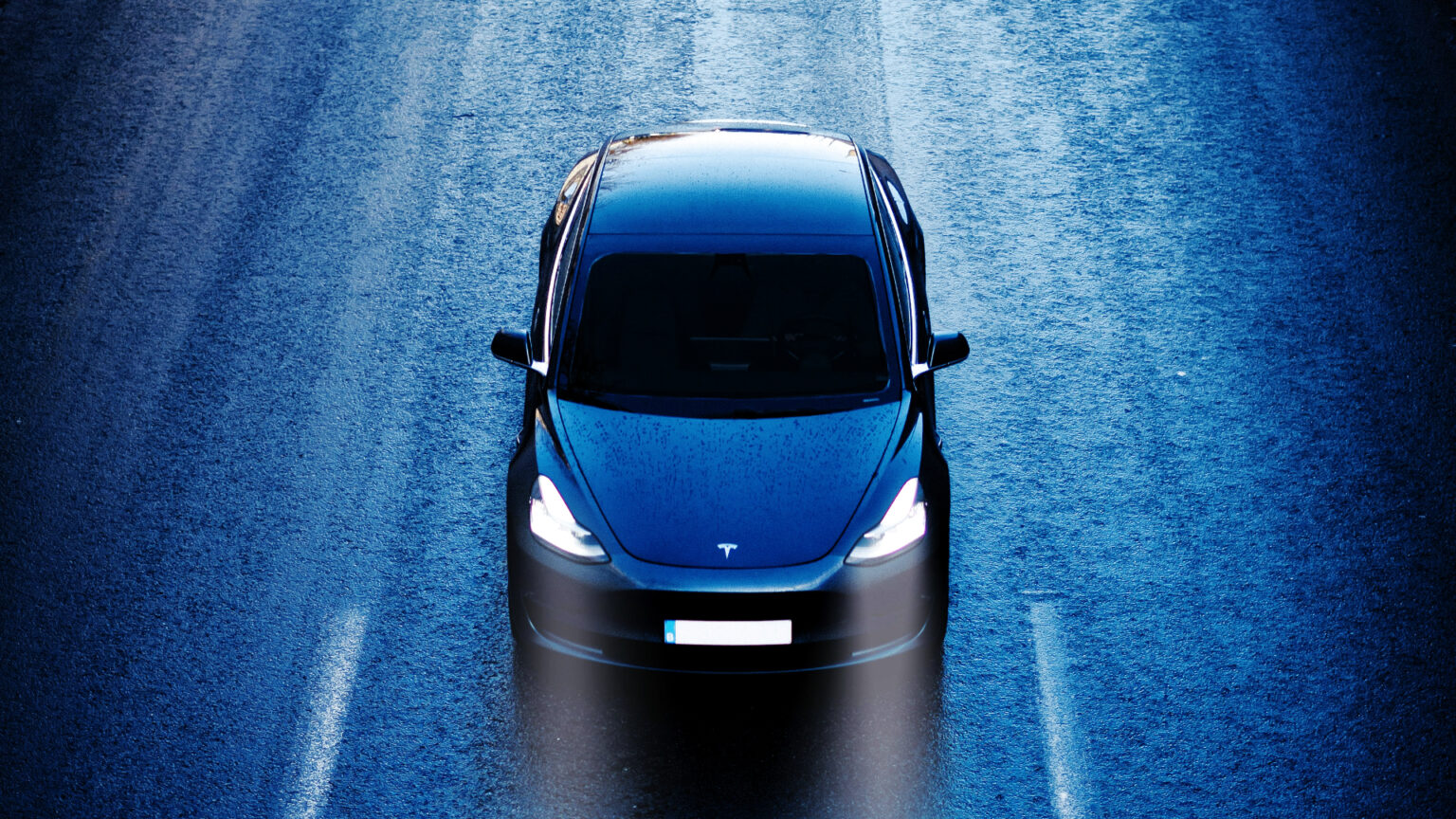
Tesla is stepping up its efforts to expand the availability of its Full Self-Driving (FSD) system in Europe, but its claims regarding the technology’s safety are raising increasing doubts. According to Reuters’ findings, the company has provided regulators in the Netherlands and Sweden with its own statistics, which independent experts consider misleading and insufficiently documented.
The dispute centres primarily on Tesla’s claims that FSD can be many times safer than traditional driving. Reuters points out that the company compares data on the most serious accidents involving vehicles using FSD with overall statistics for all road incidents in the US. According to researchers, such a comparison overstates the system’s actual safety level.
In presentations submitted to European authorities, Tesla also suggested that wider use of FSD could save tens of thousands of lives. Experts point out that the calculations were based on the assumption that all vehicles on US roads would be replaced by Teslas equipped with this system, which they consider an unrealistic scenario.
Despite this controversy, the Dutch RDW approved FSD Supervised for use in the Netherlands in April 2026 after more than 18 months of testing. However, the regulator emphasises that the decision was not based on the manufacturer’s marketing materials, but on its own analyses, road tests and data verification. The RDW also notes that the system is not an autonomous driving technology, and the driver remains responsible for the vehicle at all times.
The Dutch approval has paved the way for Tesla to apply for EU-wide authorisation. This process is still ongoing, and some regulators are expressing caution regarding the data presented by the manufacturer. According to reports by Reuters and industry media, officials in several countries point out that experiences from the US market cannot always be directly transferred to European road and regulatory conditions.
The stakes are high for Tesla. The company hopes that wider availability of FSD will help rebuild sales in Europe and strengthen its position against growing competition from Chinese manufacturers. The final decision on EU approval will require the support of a majority of member states.