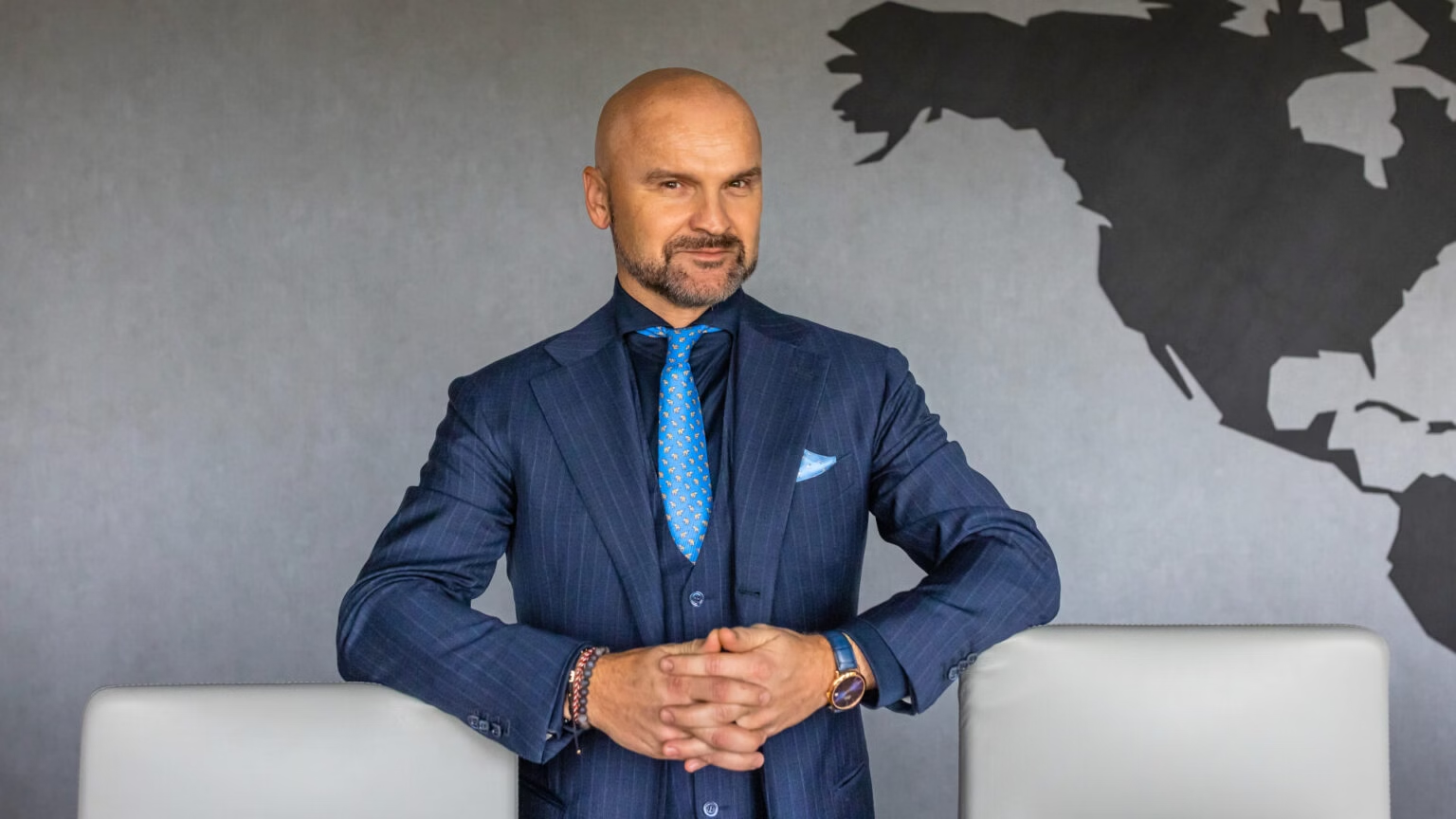
Rafał Brzoska wants to launch a new community-based and apolitical initiative modelled on SprawdzaMY. This time, the aim is to combat false content and scams on social media. The backdrop to this is his long-standing dispute with Meta over sponsored adverts using his image to promote fraudulent investments. In the spring of 2026, the entrepreneur secured a favourable court ruling, yet similar content continues to appear on the company’s platforms.
The issue goes beyond the protection of celebrities’ public image. The Polish Financial Supervision Authority (KNF) describes a scheme in which a deepfake or a fake advert featuring a recognisable face directs the user to a form, and subsequently into contact with fraudsters posing as investment advisers. This can result in the loss of savings or even debt.
Meta refutes allegations of inaction. The company states that over the course of a year, its systems detected and removed over 159 million fake adverts worldwide, with 92 per cent of these being blocked before they were reported by users. However, the scale of the problem shows that automated moderation remains a technological race between platforms and fraudsters using increasingly sophisticated AI tools.
The issue also takes on regulatory significance. On 19 August, the European Commission announced its preliminary finding that Meta had breached certain obligations under the Digital Services Act (DSA), including those relating to simple mechanisms for reporting illegal content on Facebook and Instagram.
If Brzoska’s initiative gains wider support, it could increase pressure for more effective verification of advertisers, faster blocking of recurring scams and greater accountability from platforms for paid content. For big tech companies, this would mean higher costs for moderation and regulatory compliance. For the advertising market, however, what is at stake is users’ trust in whether sponsored content is safe at all.