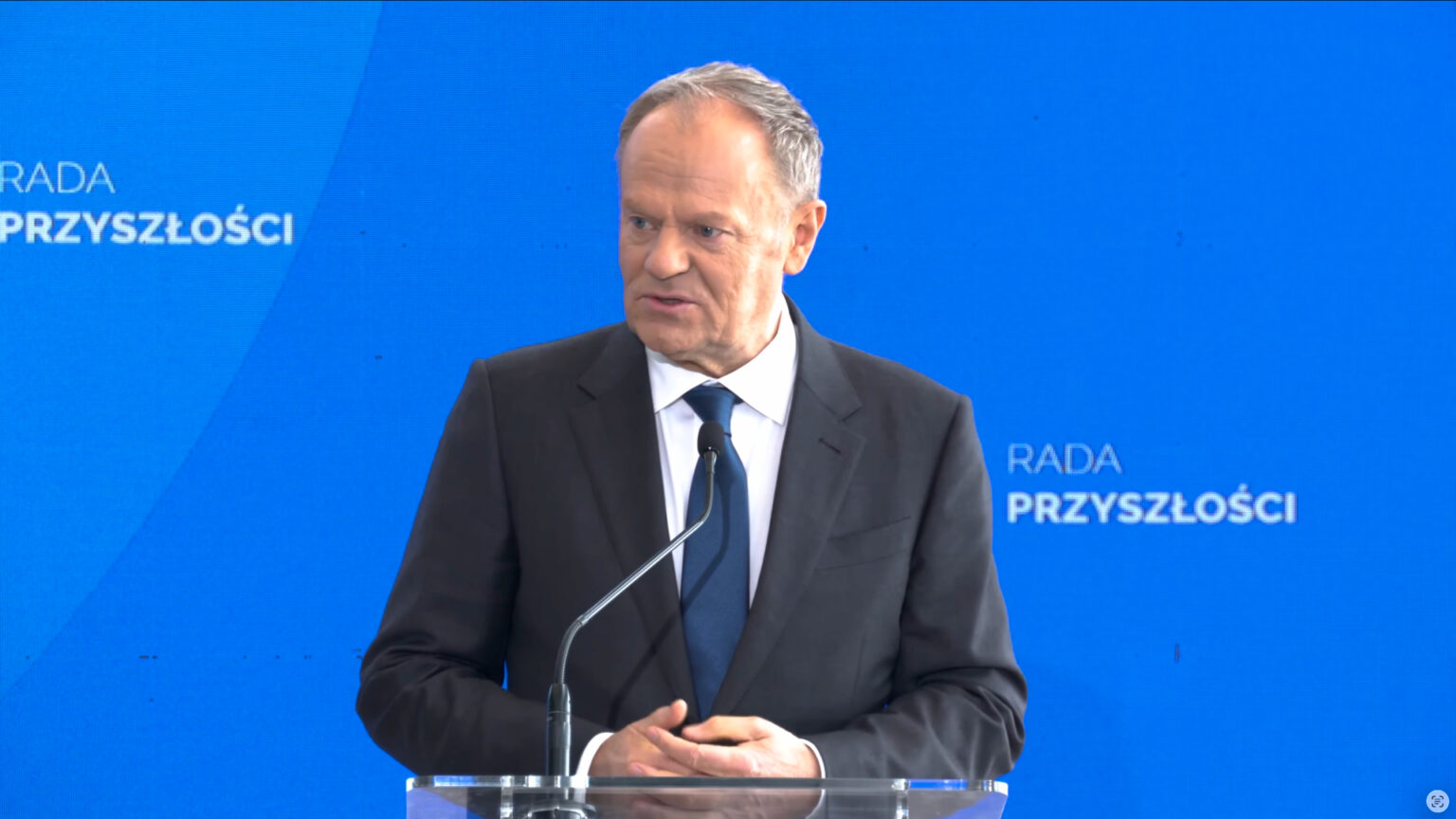
On 19 August, the government announced a change to the PIT tax bands from 2027. The current threshold of 120,000 zł is set to rise to 130,000 zł, and a 24 per cent rate will apply to income between 130,000 and 150,000 zł. Only income in excess of PLN 150,000 would be subject to the 32 per cent rate. According to Finance Minister Andrzej Domański, the measure is set to affect around 3.5 million taxpayers, with the maximum benefit amounting to PLN 3,600 per year.
The change addresses the issue of the growing tax burden on those whose nominal wages are rising faster than the tax thresholds. The PLN 120,000 threshold has been in force since 2022. Meanwhile, in 2025, the average wage in the national economy rose by 9.1 per cent in nominal terms and by 5.5 per cent in real terms.
The government intends to pass on part ofthe cost of the relief to the largest entities. Corporation tax (CIT) for companies with turnover exceeding 50 million euros and for tax groups would rise from 19 per cent to 22 per cent, whilst the solidarity levy on income exceeding 1 million zlotys would rise from 4 per cent to 5 per cent. The revenue threshold allowing companies to benefit from the flat-rate scheme, on the other hand, is set to fall from the current 2 million to 250,000 euros.
The change to the flat-rate scheme may be particularly significant for the technology sector. IT services can currently be taxed at a rate of 12 per cent, amongst other rates, so some highly paid B2B contractors may be forced to change their tax regime.
A higher corporate income tax (CIT), in turn, may limit the funds available to large companies for investment and development. The fiscal situation remains strained: Poland is planning defence expenditure of 200.1 billion zlotys in 2026, whilst the European Commission forecasts a general government deficit of 6.5 per cent of GDP. This also provides the context for the postponement of the increase in the tax-free allowance to 60,000 PLN. The entire package is currently a proposal and requires parliamentary approval and the President’s signature.