This past Saturday, ByteDance, owner of TikTok, made its most decisive move of the year with the unveiling of the Doubao 2.0 model. This launch, deliberately timed just before the Lunar New Year holiday, has one overriding goal: not to let a smaller rival steal the show again.
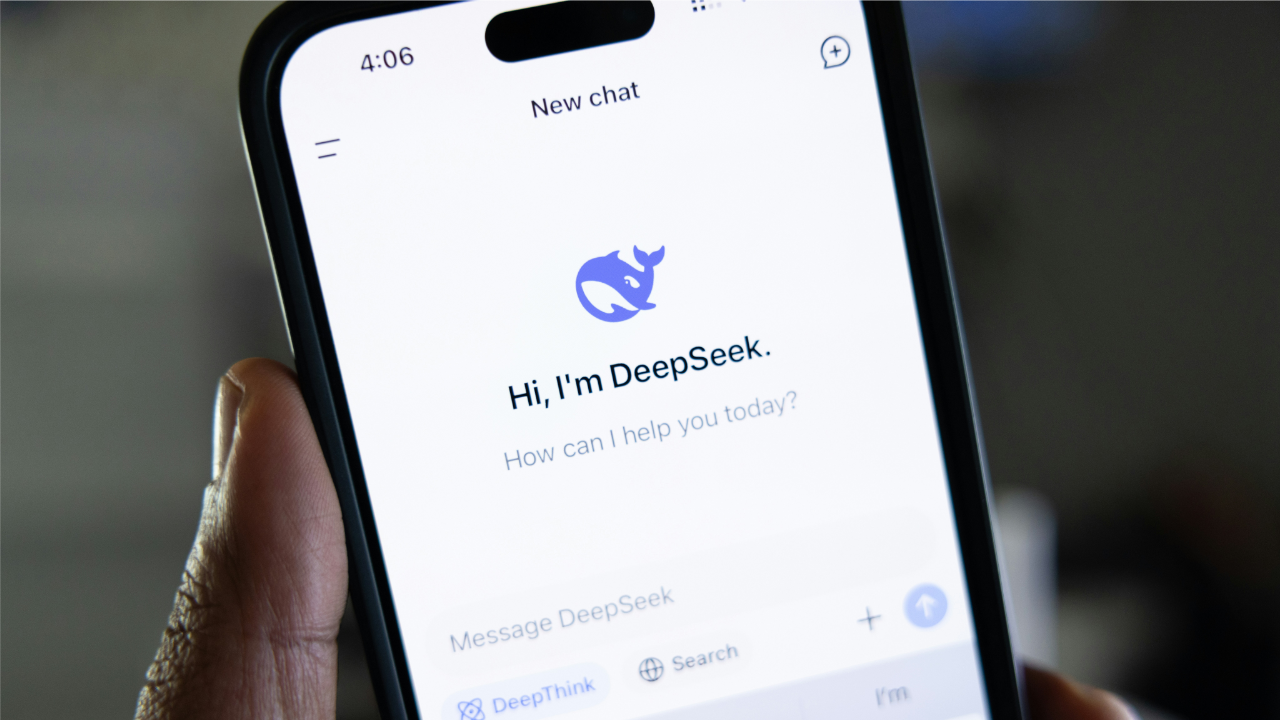
The memory of DeepSeek’s debut last year is still alive in Beijing and Silicon Valley. Back then, this relatively small company proved that it was possible to challenge OpenAI by spending a fraction of the giants’ budgets on training the model. ByteDance, with its vast resources, has learned a lesson in humility from that time. Doubao 2.0 is not just another iteration of a chatbot; it is a declaration of entry into the ‘age of agents’.
From a business perspective, the most significant change is in the cost architecture. ByteDance claims that the Pro version of their new model matches the capabilities of GPT-5.2 and Gemini 3 Pro for complex reasoning and multi-step tasks, while offering operational costs an order of magnitude lower. In the world of professional AI applications, where real-world business processes consume billions of tokens, such optimisation becomes a key competitive advantage. A model that can autonomously plan and execute a sequence of tasks ceases to be a gadget and becomes the foundation of operational efficiency.
However, competition in the Chinese market is gaining momentum not only in the technological field, but also in the marketing field. Although Doubao maintains its leadership position with 155 million weekly active users, competitors are treading on its heels. Alibaba recently invested $400 million in an aggressive promotional campaign for its Qwen model, combining AI with e-commerce and food delivery services. The result? A surge in its user base that has realistically threatened ByteDance’s dominance.
The launch of Doubao 2.0, backed by the viral success of the Seedance 2.0 video model, is a runaway success. ByteDance is betting on an ecosystem where AI not only answers questions, but actively works in the real world.