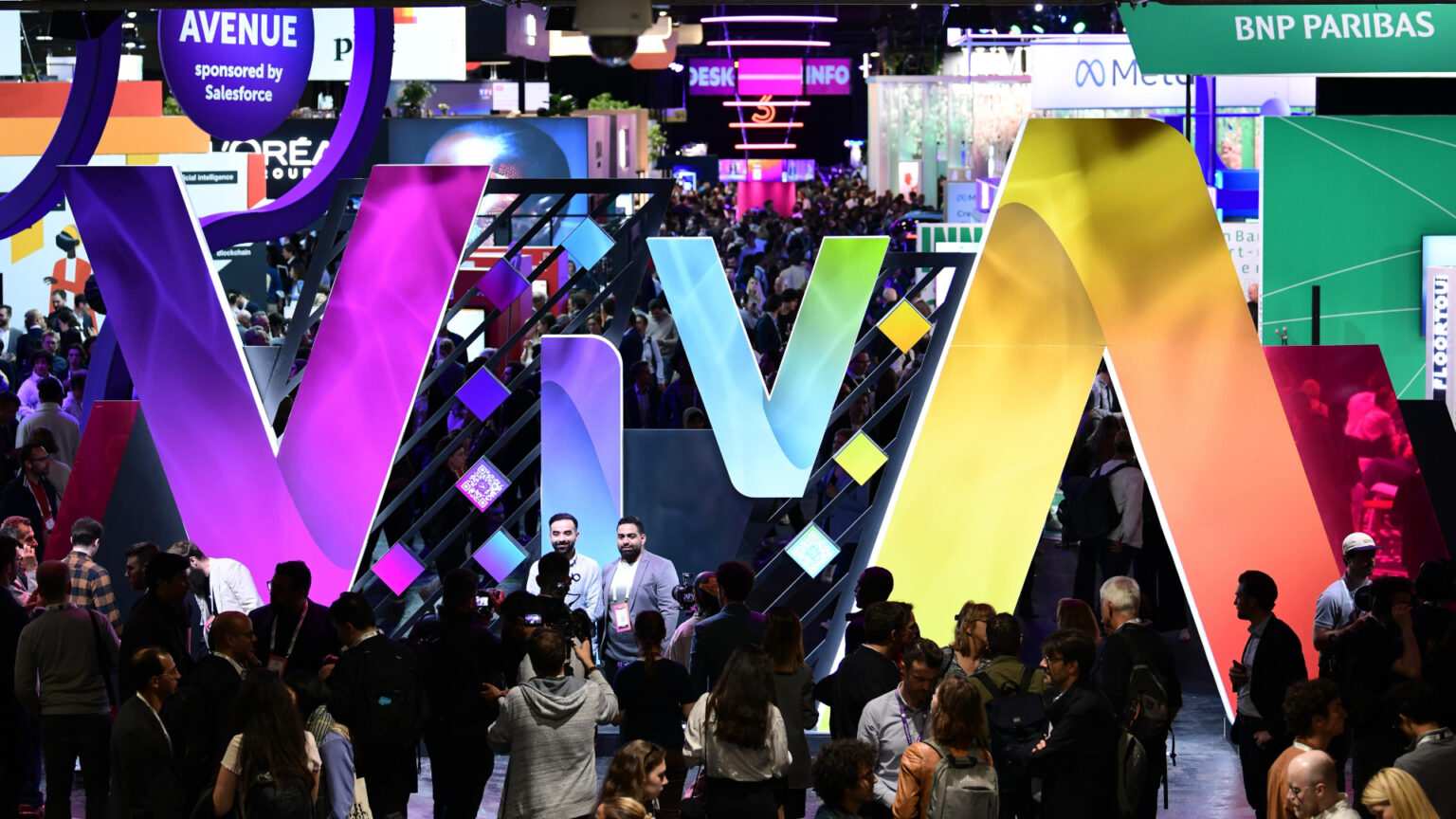
The debate on the impact of artificial intelligence on the labour market is gathering pace. However, at the VivaTech conference in Paris, Jeff Bezos presented a view that clearly diverged from the prevailing concerns. The founder of Amazon argues that AI will not lead to mass unemployment, but may, in the long term, cause a labour shortage.
Bezos argues that people have an almost limitless number of ideas and needs, and that the greatest constraint remains the ability to realise them. According to him, artificial intelligence will lower the barriers to creating products, services and new businesses, enabling more projects to move from concept to implementation. As a result, the economy may need more people capable of carrying out these ventures.
Bezos’s comments, however, come at a time when many companies are using AI to boost efficiency and reduce their workforce. According to data from Challenger, Gray & Christmas, as many as 40 per cent of redundancies announced in the US in May were linked to the implementation of artificial intelligence. At the same time, a Reuters/Ipsos survey shows that around half of Americans fear losing their jobs or income as a result of the development of this technology.
The paradox is that Amazon itself has cut thousands of corporate jobs in recent years, and the company’s CEO, Andy Jassy, has openly admitted that AI-based automation will reduce the need for some administrative staff. This shows that the short-term effects of implementing artificial intelligence may differ significantly from the long-term vision presented by Bezos.
Another focus of his interest today is Prometheus – a start-up developing the concept of an ‘artificial engineer’, designed to support the design and manufacture of physical products. Bezos believes that such tools can boost engineers’ productivity and accelerate industrial development.
Bezos’s optimistic forecast fits into a broader narrative shared by some technology leaders who view AI as a catalyst for economic growth. The problem is that current labour market data provides arguments for both the proponents and the critics of this view. For now, one thing is certain: the impact of artificial intelligence on employment remains one of the most important questions facing the global economy.