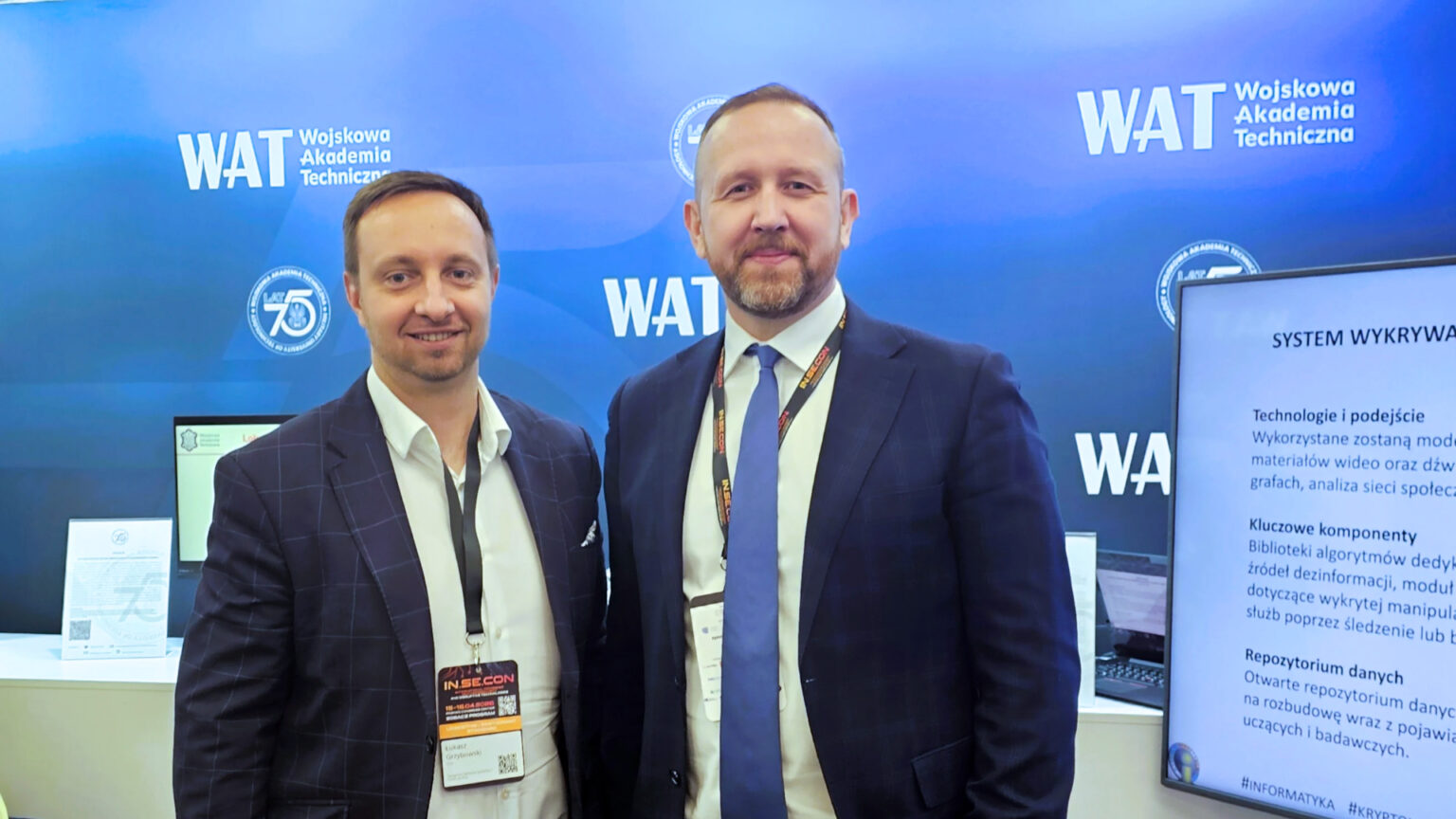
NewConnect-listed Defence.Hub ‘s signing of an agreement with the Military University of Technology to develop the MACS system from Seraphim Defence Systems is a signal that the Polish C-UAS (Counter-UAS) sector is moving from a conceptual phase to hard operational integration.
For investors following the defence-tech market, this collaboration has a strategic dimension. Defence.Hub is positioning itself as an integration platform, and WAT is not just another technical university. It is an institution directly supervised by the Ministry of Defence, with unique knowledge of the operational requirements of the Polish army. This partnership allows for the validation of technology in near-real conditions, which in the arms industry is a key condition for moving beyond the prototype phase.
At the heart of the agreement is the MACS platform, a modular drone countermeasure system based on an advanced fusion of sensors and artificial intelligence. In an era of evolving threats, where fibre-optic-controlled FPV drones or drones equipped with autonomous algorithms are on the frontline, traditional jamming methods are becoming insufficient. Collaborative work on the detection, tracking and neutralisation of such objects, supported by edge computing solutions, is expected to make MACS a product that responds to the dynamically changing needs of the modern battlefield.
From a business perspective, Defence.Hub is building an ecosystem that connects Polish technical thought with capital and institutional backing. Seraphim Defence Systems, as a finalist in the NATO Innovation Challenge 2025, already enjoys international recognition. Substantive support from WAT scientists, who have been shaping Polish military engineering for seven decades, significantly reduces technological risk and accelerates the commercialisation process of dual-use solutions.
In the current geopolitical situation, the need for anti-drone systems has ceased to be a theoretical consideration and has become a pressing market need. Defence.Hub, by integrating academic competence with the flexibility of technology start-ups, faces the opportunity to create a real counterweight to global players in the CEE region. The success of this venture will be measured not only by the number of signed letters of intent, but above all by the effectiveness of the deployment of ready-made systems in defence structures.