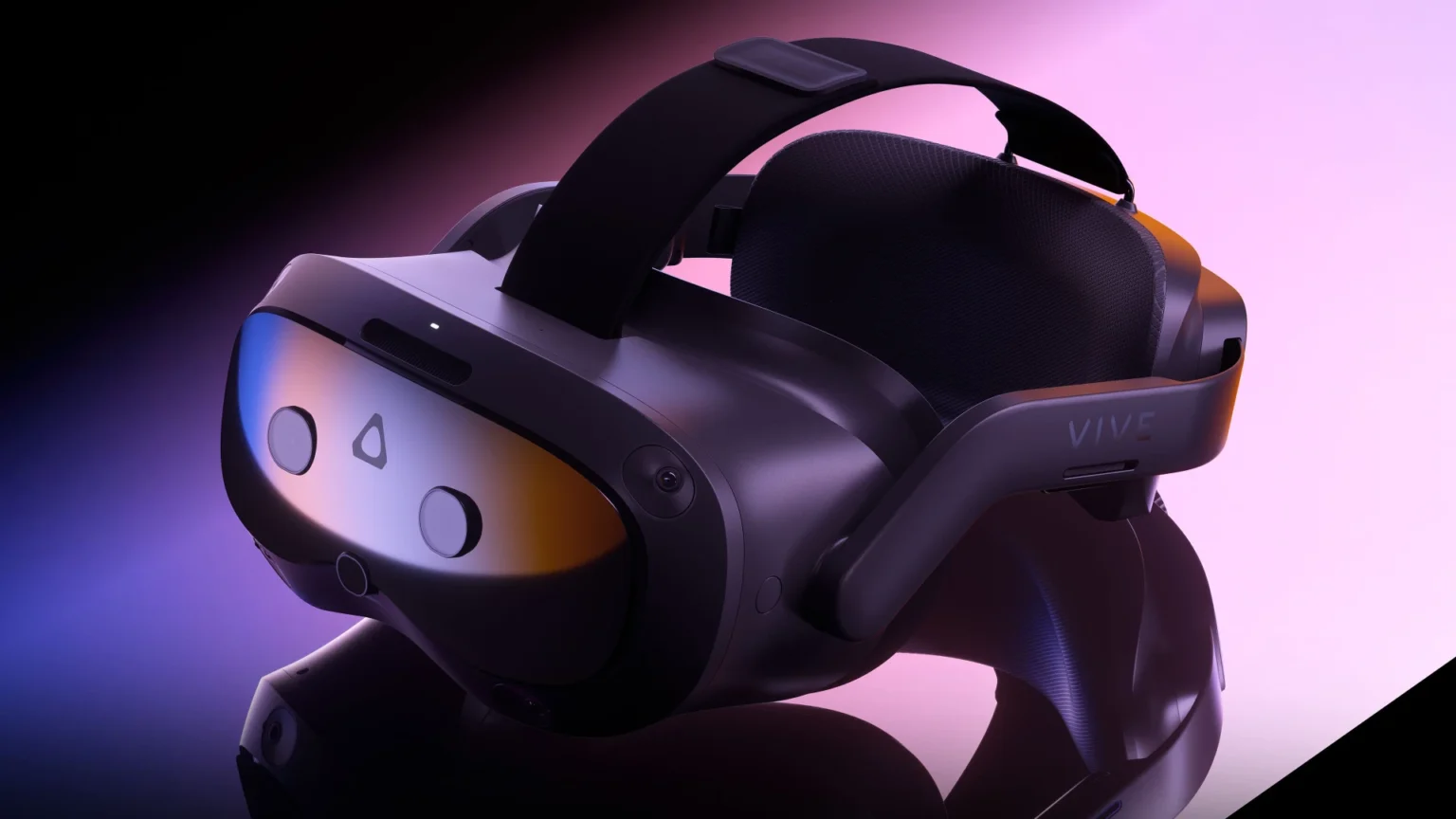
Taiwanese mobile technology pioneer HTC is opening a new chapter in its history by returning to the consumer electronics market with a clear, albeit risky, strategy. Faced with the dominance of Silicon Valley giants, the company does not intend to build another ‘closed garden’. Instead, with the launch of the VIVE Eagle glasses, it is betting on technology agnosticism, allowing users to freely choose which language model they want to use.
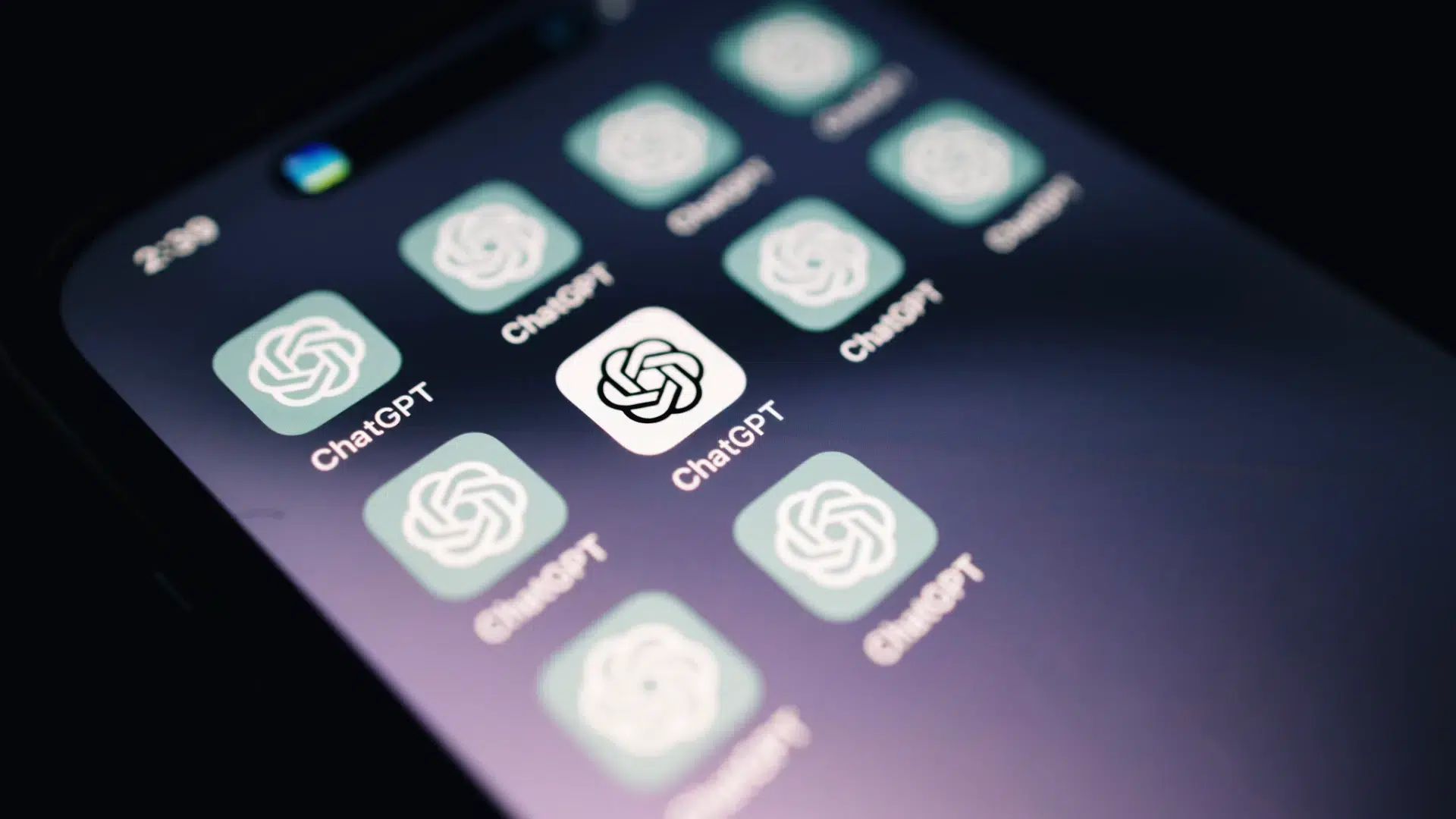
Charles Huang, vice-president of global sales at HTC, argues that the current arms race between LLM developers – such as Google and OpenAI – requires resources that the Taiwanese manufacturer does not necessarily have directly at its disposal. The company’s strategy is that instead of competing on algorithms, it is better to become a hub for connecting the best available solutions. VIVE Eagle users will therefore be able to switch between Gemini and ChatGPT, a clear counter to Meta’s approach. Indeed, Mark Zuckerberg is integrating his Ray-Ban glasses closely with the Meta AI ecosystem, just as Chinese players – Xiaomi or Alibaba – are building hardware around their own domestic models.
The decision to open up the platform is also an attempt to address a niche related to privacy. In an era of growing concern about the use of user data to train AI – which is standard with Meta – HTC declares that it does not use customer information to train models. It’s a differentiator that could attract more informed consumers and a business sector concerned about the leakage of sensitive data.
The market reality, however, is challenging for HTC. According to Counterpoint, global shipments of smart glasses grew 110% in the first half of this year, but as much as 73% of the market belongs to Meta. To avoid a direct clash in saturated Western markets, HTC is adopting an Asia-first strategy. Priced at around $512, the new hardware debuted in Hong Kong and is designed with the anatomy of Asian users in mind, which Huang points to as an advantage over the “Western fit” of competitors.
Expansion into more markets, such as Japan and Southeast Asia, is planned for the first quarter of next year, while Europe and the US must wait until 2026. Caution is also evident in the approach to mainland China, where data regulations and restrictions on foreign AI models are forcing the construction of a separate server infrastructure. The launch of VIVE Eagle is a test of whether there is still room for a neutral hardware player in a world dominated by big tech ecosystems.