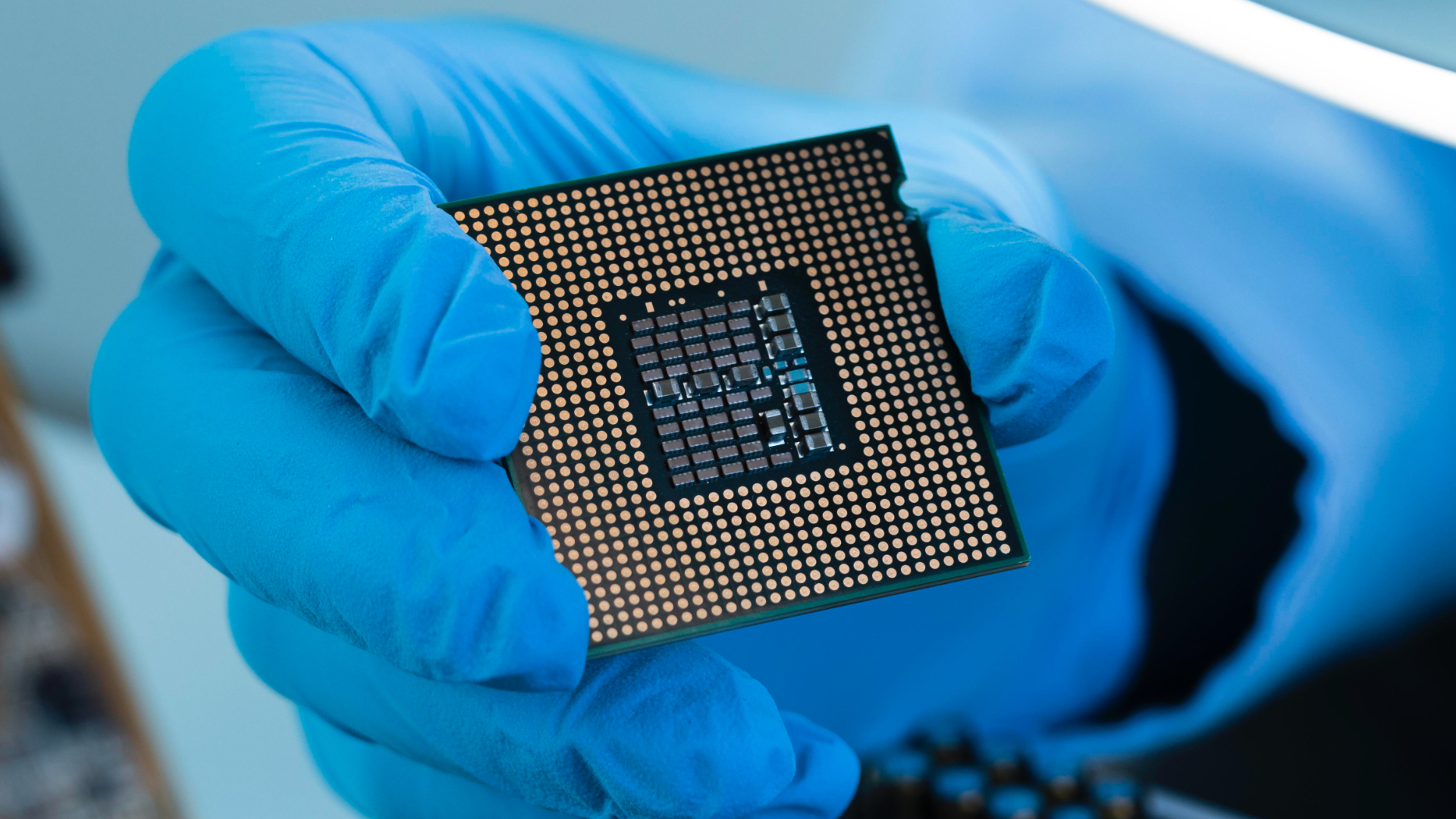
For years, Nvidia’s dominance of China’s artificial intelligence market seemed inviolable, protected not only by hardware performance, but more importantly by its CUDA software ecosystem. However, the latest reports from Shenzhen suggest that Huawei has finally found the key to the closed doors of the biggest private tech giants. The new Ascend 950PR chip has passed tests with players such as ByteDance and Alibaba, heralding a new chapter in the competition for the heart of China’s AI sector.
The success of the 950PR is not solely due to raw computing power, which has increased only marginally over its predecessor (the 910C). The breakthrough came in the realm of usability. Huawei, hitherto rigorously pushing its own CANN software, has opted for greater compatibility with the Nvidia ecosystem. For engineers in Beijing or Hangzhou, this means a drastic reduction in model migration costs and an easier transition to a domestic architecture without having to write code from scratch.
Strategic chip positioning hits a turning point in the Chinese market. While the world continues to be fascinated by training ever-larger models, the Chinese technology sector is shifting its focus towards inference – that is, the practical implementation and running of ready-made algorithms. This is where 950PR is expected to offer the highest operating culture and responsiveness. The rise in popularity of open-source solutions, such as OpenClaw, is further driving demand for units optimised for specific business tasks, rather than just theoretical performance records.
The economic aspect also speaks in Huawei‘s favour. With a starting price hovering around $6,900 per card, the 950PR becomes an attractive alternative to US products whose availability is regularly restricted by Washington’s sanctions. Even if Nvidia is given the green light to supply chips such as the H200, regulatory uncertainty is prompting Chinese companies to diversify their suppliers.
With mass production planned for next month and an ambitious target of shipping 750,000 units later this year, it shows that Huawei is coming out of its defensive phase. If the 950PR maintains the positive feedback from the tests, the Chinese giant may cease to be merely the beneficiary of patriotic appeals from the government and become a viable commercial choice for companies that are primarily looking for cost efficiency and operational stability in technology.