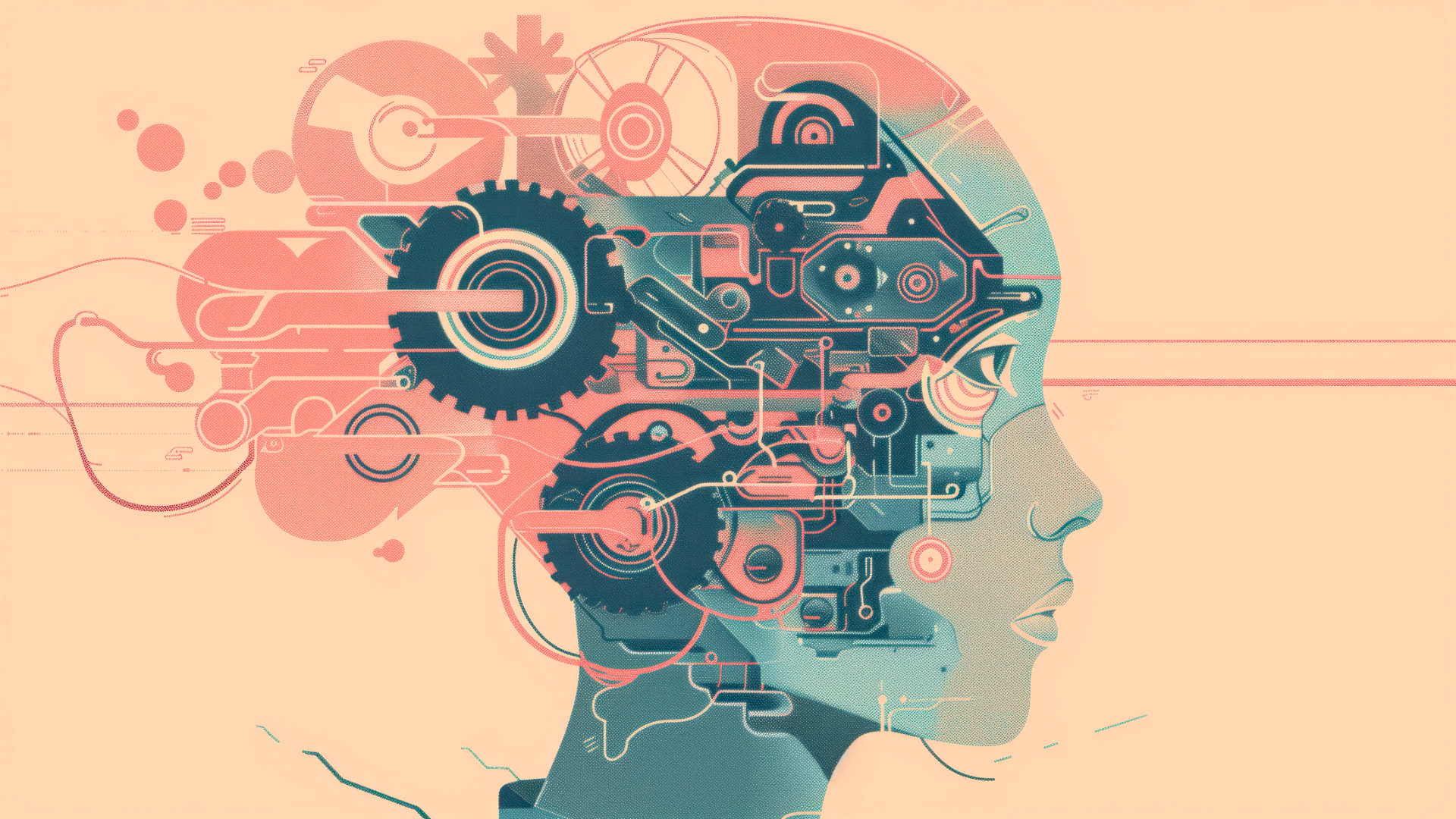
Today’s businesses are investing billions in artificial intelligence, but their technological future still depends on the systems of the past. Outdated core architectures, developed over decades based on technologies such as COBOL or old versions of Java, are now becoming a major brake on scaling innovation.
Distributed data environments and a lack of operational flexibility not only drastically increase maintenance costs, but more importantly limit the real business impact of advanced analytics. The implementation of modern AI models alone will not solve this problem if the operational foundations remain archaic. Although autonomous agents can already analyse old code, effective modernisation requires a deeper redesign of the IT architecture.
Recognising this growing gap between management ambitions and technological realities, global firm GFT unveiled its AI Modernization strategy. The approach goes beyond simply rewriting code. It uses Wynxx’s proprietary multi-agent artificial intelligence platform to automatically extract business logic from legacy architectures and to design systems in cloud-native and event-driven models.
The key to success is proving to be the combination of AI-driven automation with human engineering validation. This preserves critical business knowledge while eliminating technology debt. According to GFT ‘s data , such architectural transformation has measurable returns, reducing operating costs by 25 to 60 per cent and accelerating new product launches by 25 to 30 per cent.

“Technology debt in large organisations today is one of the main barriers to efficiency, time-to-market, regulatory compliance and, above all, AI adoption,” – Marco Santos, Global CEO of GFT, said. “AI opens up new opportunities to accelerate the modernisation of legacy systems, enabling organisations to embed intelligence directly into their business processes.”