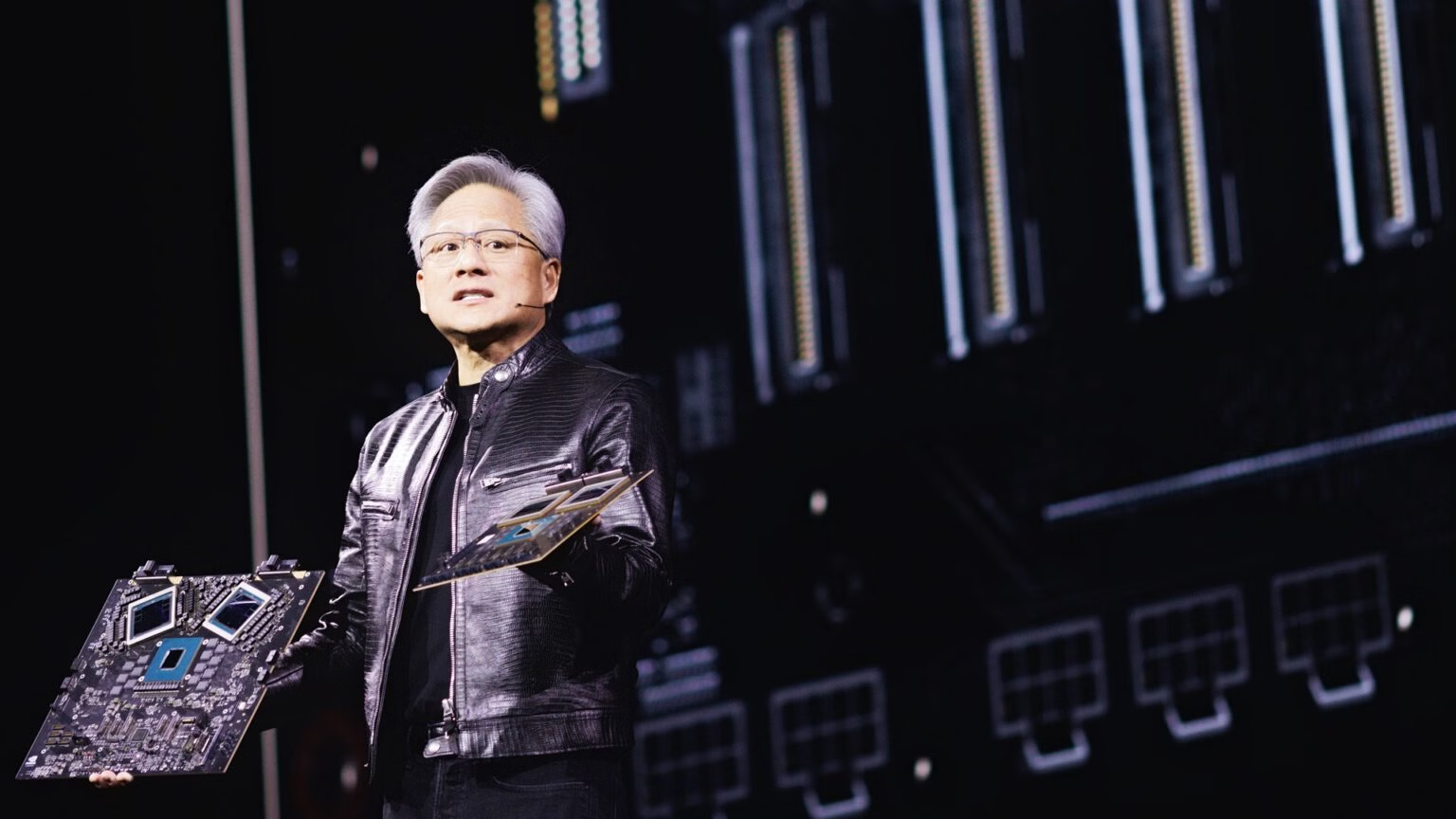
Jensen Huang, CEO of Nvidia, is planning a visit to China at the end of January. Although the official background to the trip is the company’s Lunar New Year celebrations, behind the scenes the visit is being treated as an urgent diplomatic mission to unlock a key market. The situation is unprecedented: the Donald Trump administration, ignoring the voices of Washington hawks, formally approved the sale of the powerful H200 chips to China. Meanwhile, it was Beijing that said no.
China Customs’ 14 January decision to halt H200 imports represents a surprising reversal of roles in the ongoing technology war. Previously, the Americans had put up the barriers; now Beijing’s resistance suggests either a negotiating tactic or a desire to protect rising domestic manufacturers such as Huawei. Huang, whose itinerary may include meetings in Beijing, must personally verify that there is still room for Nvidia in the Chinese market. For shareholders, this sends a clear message: approval from the White House is not enough to guarantee revenue from the Middle Kingdom, and technological decoupling is entering a new, more complicated phase.