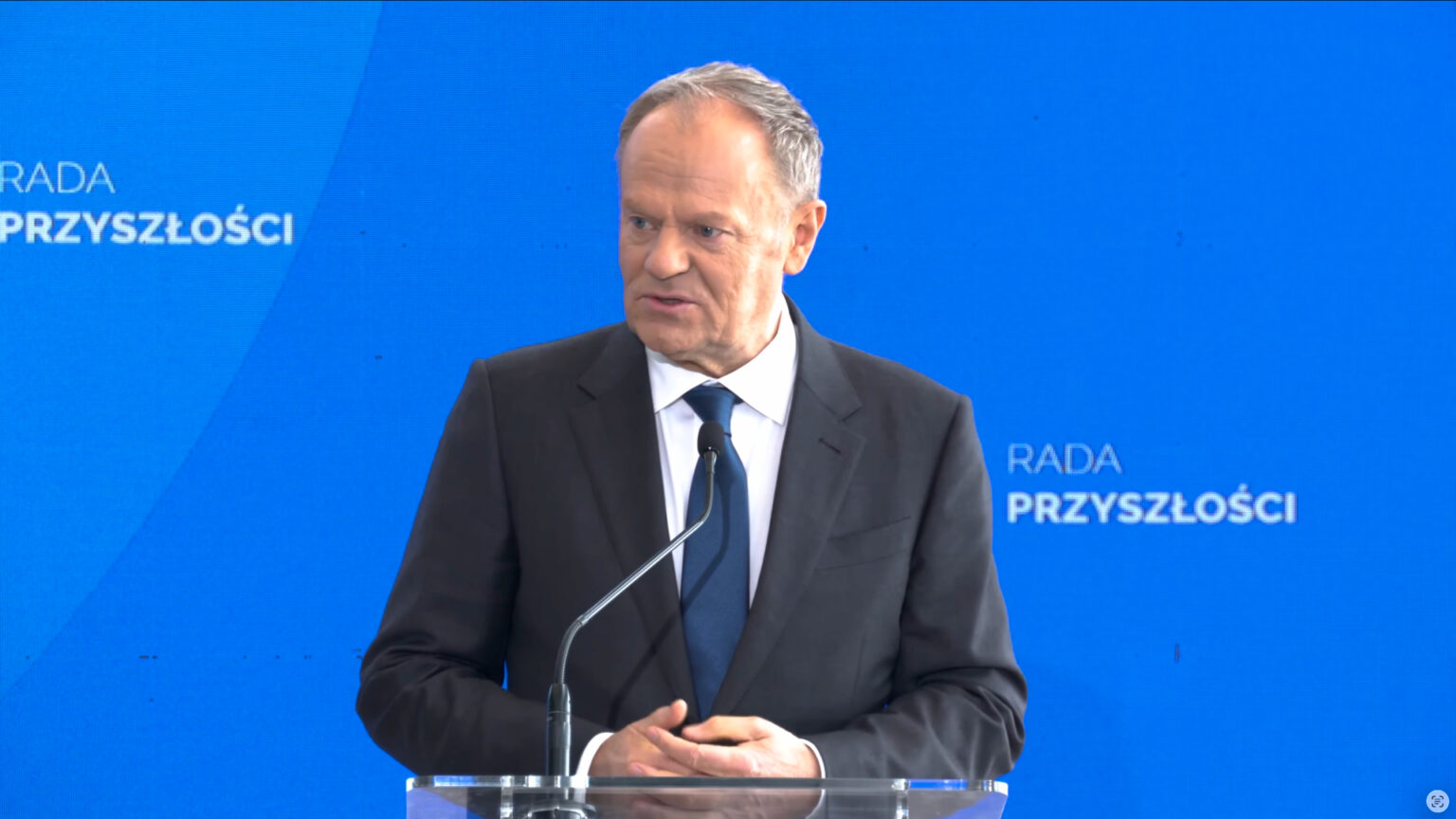
In a high-tech world, where the pace of innovation often outpaces legislative processes, Poland is making a move to strengthen cooperation between the government and the technology elite. The establishment of the Council of the Future, announced on Tuesday in Warsaw’s Skyliner office building by Prime Minister Donald Tusk and Finance Minister Andrzej Domański, signals Warsaw’s desire to stop being merely a recipient of technology and become its active architect.
The initiative is not just a prestige advisory body. The composition of the 18-member panel indicates a precise selection of experts from sectors that will define the global economy of the next decade: from artificial intelligence and biotechnology, to space technologies and the defence sector. The presence of figures such as Mati Staniszewski of ElevenLabs, Rafal Modrzewski of ICEYE and Sebastian Siemiątkowski of Klarna suggests that the government is looking for direct insight into the mechanisms of scaling businesses with global reach.
Minister Andrzej Domański, who will head the Council, made it clear: Poland is in a global race in which human capital is the main asset. From the point of view of business, the key challenge for this body will be to translate academic knowledge into real market value. The participation of Piotr Sankowski from IDEAS NCBR or Prof Krzysztof Pyrić is expected to ensure that Polish innovations do not remain confined to laboratories, but find an outlet in commercial implementations.
For investors and entrepreneurs, the creation of the Future Council is a signal of stabilisation of the state’s priorities. The inclusion in the talks of leaders such as Piotr Wojciechowski of WB Group or Jarosław Królewski of Synerise suggests that economic policy will be more strongly oriented towards technological sovereignty and support for indigenous unicorns.
Although the detailed competences of the Council are still in the process of being clarified, the very fact of creating such a high-level ‘think-tank’ at the Prime Minister’s Office changes the narrative about the Polish innovation ecosystem. Instead of scattered grants, what can be seen is an attempt to create a coherent strategy in which the state acts as a partner to the fastest growing industries. The success of this initiative will be measured not by the number of meetings, but by the government’s ability to quickly remove the regulatory barriers that today hamper the Polish DeepTech sector.
“Poland is today the 20th economy in the world – this is a great success, but it is not given once and for all. Therefore, we need to build new advantages and win in the global race,” said Minister Andrzej Domański.
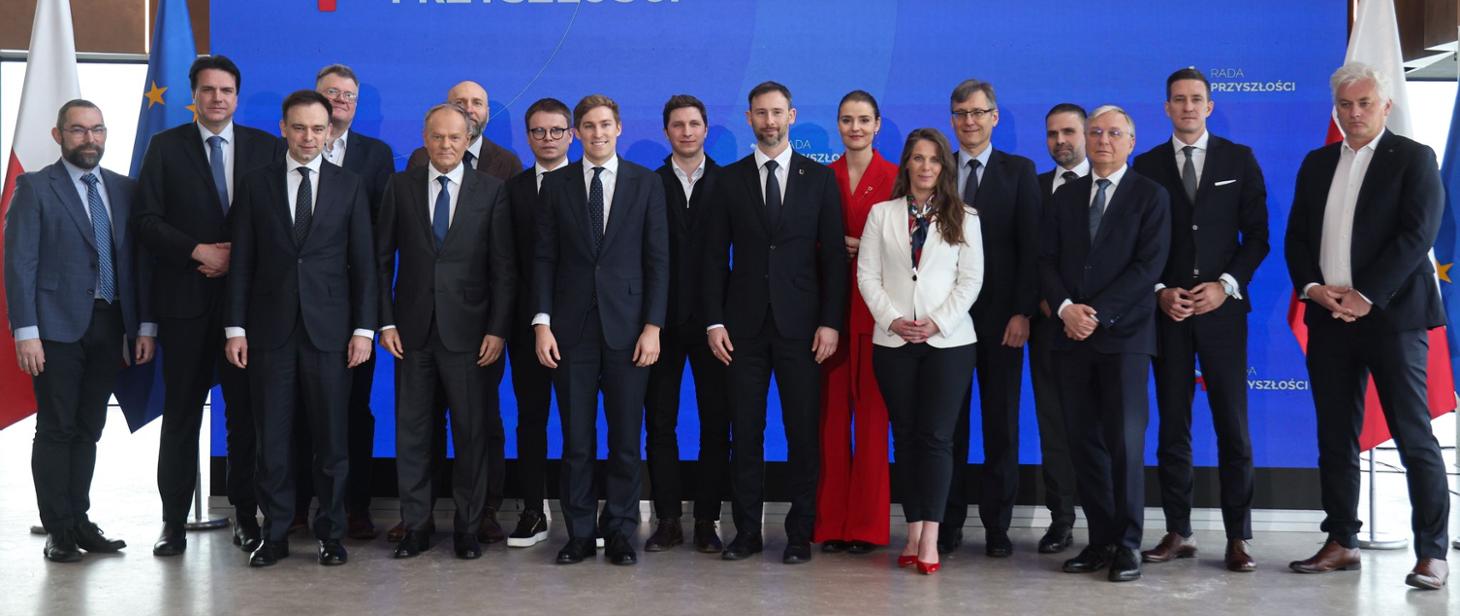
The council consists of:
- Dominik Batorski, sociologist and data science expert, associated with the interdisciplinary Centre for Mathematical and Computer Modelling at the University of Warsaw;
- Grzegorz Bron, CEO of Creotech Instruments;
- Sebastian Kondracki, Chief Innovation Officer at Devinity, one of the creators of the Polish AI model Bielik;
- Tomasz Konik, CEO of Deloitte Central Europe;
- Jarosław Królewski, CEO and co-founder of Synerise;
- Rafal Modrzewski, President of ICEYE;
- Aleksandra Pędraszewska, technology entrepreneur;
- Pawel Przewieźlikowski, CEO of Ryvu Therapeutics;
- Krzysztof Pyrć, Chairman of the Board of the Foundation for Polish Science, Professor of Biological Sciences and Virologist;
- Mikołaj Raczyński, Vice President of the Polish Development Fund for Investment;
- Piotr Sankowski, President of the IDEAS Research Institute and Professor at the Institute of Computer Science, University of Warsaw;
- Mati Staniszewski, CEO of ElevenLabs;
- Sławosz Uznański-Wiśniewski, European Space Agency astronaut;
- Marta Winiarska, President of the Board of the Polish Association of Innovative Medical Biotechnology Companies BioInmed;
- Piotr Wojciechowski, Chairman of the Board of WB Group the largest Polish private technology and defence group;
- Stefan Batory, co-founder of Booksy;
- Aleksandra Przegalińska, Rector for Innovation at Kozminski University in Warsaw;
- Sebastian Siemiątkowski, co-founder and CEO of Klarna Bank.