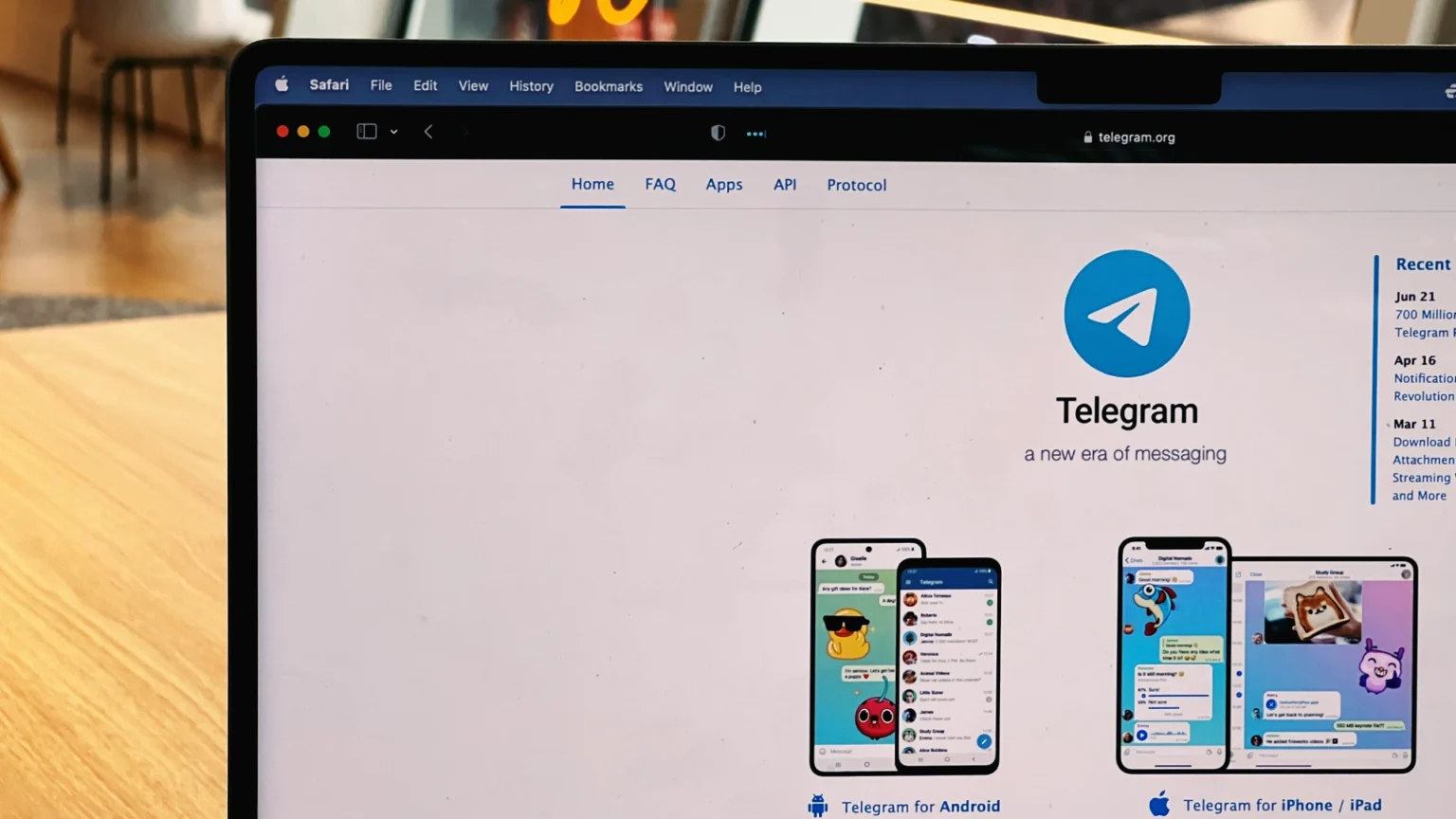
For Pavel Durov, balancing on the edge between freedom of speech and the demands of state security is not new, but Moscow’s latest offensive takes the game to an existential level. The Federal Security Service (FSB) has officially opened an investigation against Telegram‘s founder, charging him under Article 205.1 of the Russian Criminal Code – ‘facilitating terrorist activity’. This strikes at the very heart of a platform that has become synonymous with privacy for its more than one billion users and an out of control tool for Russia.
This escalation has a deeply strategic dimension. Russia, traditionally accusing Telegram of being a tool of Western services, is now hitting the platform from a ‘guardian of order’ position. In the background, however, there is a clear business and political objective: to push users towards MAX, a state-run alternative that aims to replace Telegram in the everyday communications of Russians. For the Kremlin, Telegram has ceased to be a useful information distribution channel and has become too risky a loophole in the system of digital sovereignty.
From a business perspective, Durov’s situation is becoming complicated. On the one hand, Telegram rejects accusations of being a haven for crime; on the other, it has to face increasingly strong restrictions imposed by the state communications regulator. Companies operating in the region or using the app for operational purposes must now weigh the risks: will a platform that has become the target of such heavy criminal charges maintain its stability and independence?
History is coming full circle. Durov, who left Russia years ago after a dispute over control of the VKontakte service, is once again facing a dilemma that will define the future of his empire. If Moscow manages to successfully block access or discredit the app in the eyes of the mass public, Telegram could lose one of its key markets. But for a global investor, it signals that Telegram remains the last bastion whose takeover requires the state to use the heaviest legal calibre. The question is whether, in a world of increasing regulatory pressure, Durov’s ‘neutrality’ is still a viable business model.