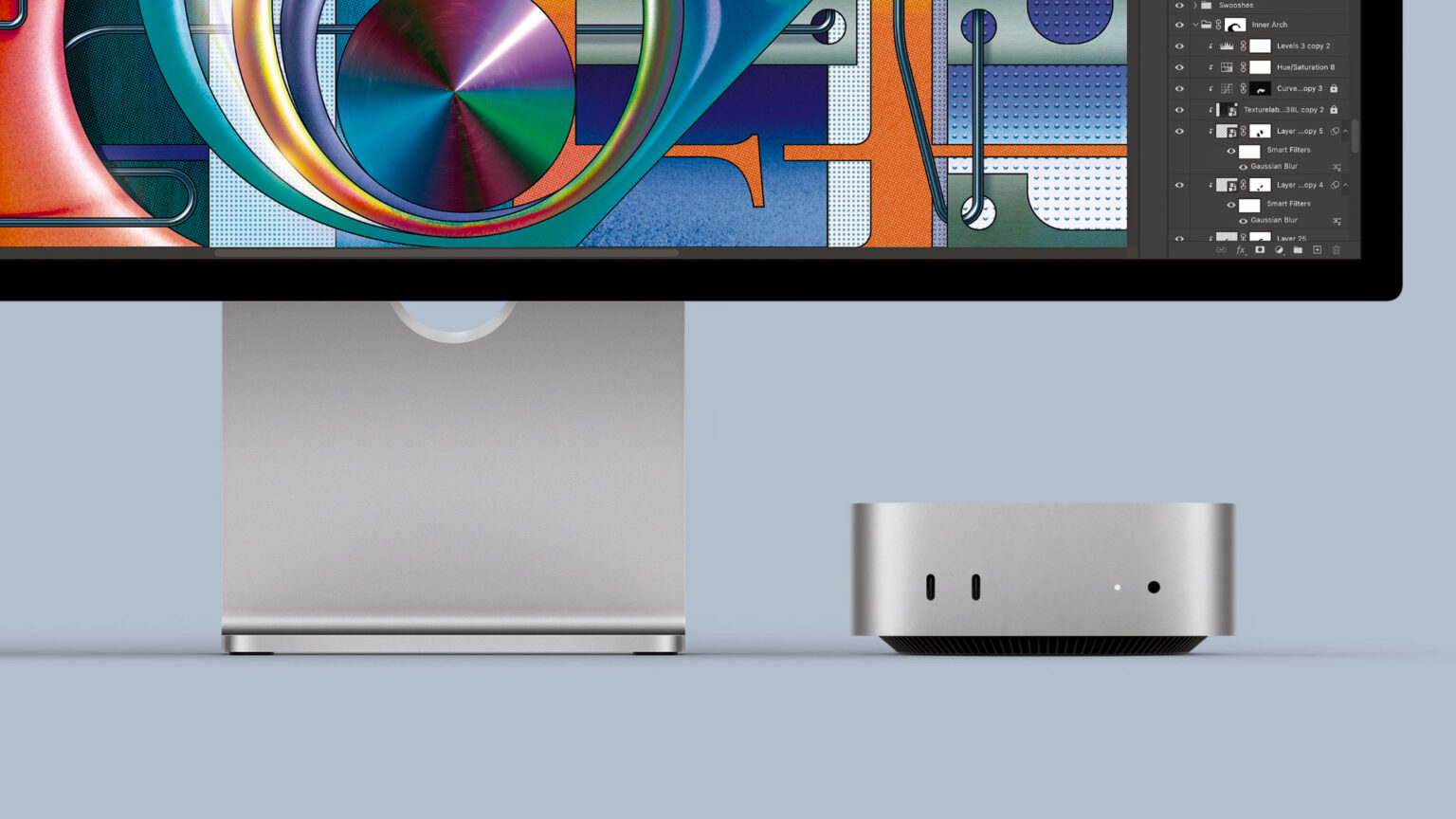
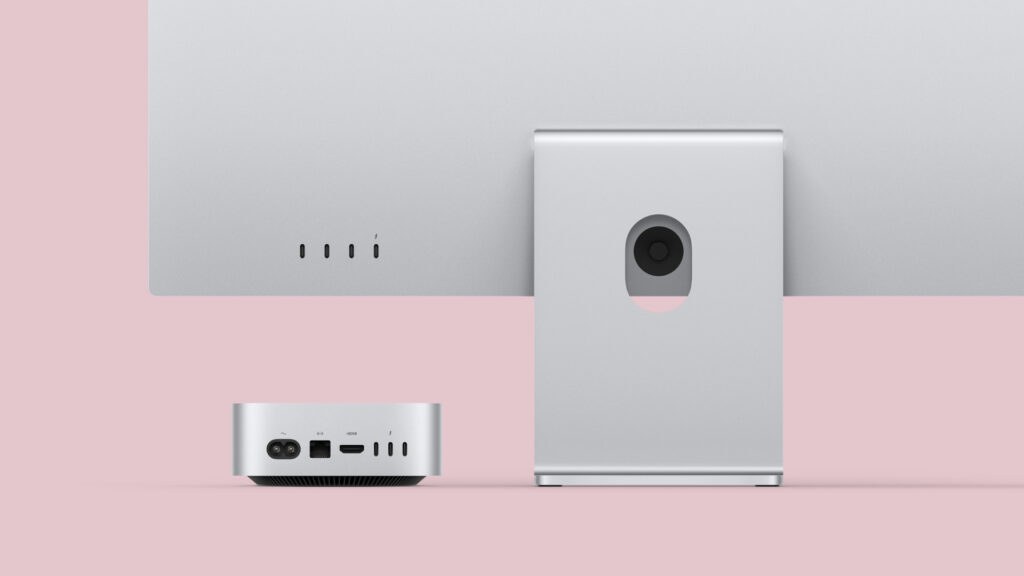
For years, the choice of hardware infrastructure was based on a dichotomy between pragmatism and prestige. Apple’s solutions, while prized for their work culture and aesthetics, have often been relegated to the budget margins as an expensive privilege reserved for niche creative departments. However, 2026 brings a fundamental shift in these optics. The Mac mini, equipped with M4 generation chips and upcoming M5 units, has become the most precise tool in the hands of finance and technology executives. It turns out that the device with the lowest threshold for entry into the Apple ecosystem, can generate the highest return on investment.
Revisiting the cost myth through the lens of TCO
The foundation of scepticism towards macOS deployment in a business environment has always been the unit purchase price. However, this is a short-sighted perspective that ignores the real life-cycle costs of the product. An economic analysis covering a four-year period shows that the initial, slightly higher investment in the Mac mini is rapidly amortised through a dramatic reduction in operating costs. The stability of the architecture, based on Apple’s proprietary silicon, means that support departments are seeing a reduction in incidents by nearly half. The reduced failure rate not only saves IT professionals man-hours, but eliminates costly downtime for operations teams.
Another pillar of this profitability is the residual value. Unlike standard PCs, which often lose almost all their market value after four years of use, the Mac mini remains a highly liquid asset. The ability to recoup a significant amount of capital when replacing the fleet with a newer generation drastically alters the bottom line, making this device a de facto cheaper solution than theoretically cost-effective alternatives.
Data sovereignty and the local power of AI
Today’s businesses face the challenge of integrating artificial intelligence into everyday processes, while maintaining strict privacy standards and compliance with RODO. This is where Mac mini reveals its second, strategic face. Thanks to Neural Engine, Apple Intelligence processes and agents like OpenClaw can operate locally, without the need to transfer sensitive corporate data to external cloud servers. Transforming a workstation into a private AI server allows automation of calendar management, correspondence sorting or documentation analysis in a secure, isolated environment.
An investment in M4 and M5 architecture is therefore an investment in digital sovereignty. The ability to process complex language models directly on the employee’s desk not only increases the speed of work, but also minimises the legal and reputational risks associated with potential data leaks from the cloud. In an age of increasing cybercrime, chip-integrated hardware security is a barrier that, when implemented in distributed PC environments, often requires the purchase of additional, expensive licences and filtering software.
Resource recovery through deployment automation
Managing a computer fleet in a large organisation can sometimes be a logistical nightmare, draining the energy of skilled technical staff. Mac mini, supported by the Apple Business Manager ecosystem, introduces the Zero-Touch Deployment standard, which redefines the role of the administrator. The process, in which the device goes directly from the vendor to the user and configures itself automatically when it first connects to the network, eliminates the need to manually prepare system images or install drivers.
The lack of hardware fragmentation – the fact that the same manufacturer is responsible for the processor, motherboard, and operating system – results in the near elimination of system conflicts. In an environment where stability is synonymous with profit, the predictability of the Mac mini becomes a key advantage. Freed from having to put out bug fires after operating system updates, IT departments can focus on higher-value-added projects, which translates directly into company-wide innovation.
Performance psychology and employee well-being
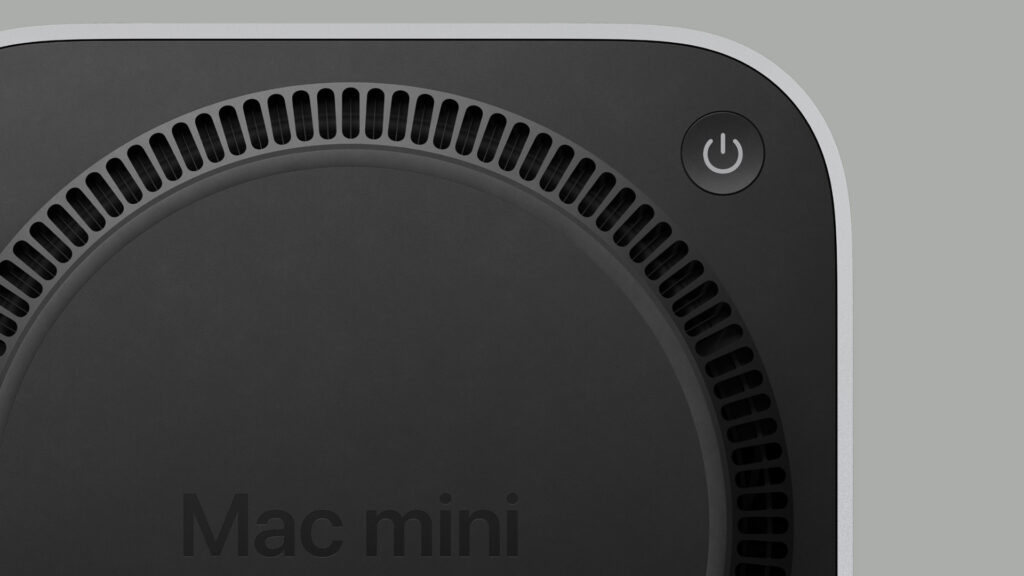
The human aspect is often overlooked when discussing corporate equipment, even though it determines the ultimate efficiency of processes. The choice of work tools is a clear signal sent to the team about the organisational culture and respect for the employee’s time. The Mac mini, with its silent operation even under heavy load and impeccable aesthetics, promotes an ergonomic and modern working environment.
High satisfaction with the equipment in use translates into talent retention, especially in sectors requiring high digital competence. An employee who has a tool that is responsive, reliable and integrated with modern SaaS solutions not only works faster, but also with greater engagement. From the CIO’s perspective, ensuring the smoothness of the interface and stability of connections to the cloud via standards such as Wi-Fi 7 or Thunderbolt 5 is a form of nurturing the continuity of business processes.
A new standard of pragmatism
The paradox of the Mac mini is that the device, perceived by the brand as a ‘premium’ product, actually promotes a lean approach. Maximising impact while minimising unnecessary resources – both time and money – makes this unit the ideal building block for a scalable business. With the upcoming M5 generation placing an even stronger bet on the autonomy of artificial intelligence, choosing this platform seems to be the most logical step for organisations aspiring to be leaders in digital transformation.