Apple has raised the prices of selected iPad and MacBook models, as well as some home electronics, citing a sharp rise in the cost of memory and storage chips as the reason for the decision. According to the company, the boom in the construction of data centres for artificial intelligence has led to a situation where memory manufacturers are channelling the majority of their supplies to the AI sector, limiting the availability of components for consumer electronics manufacturers.
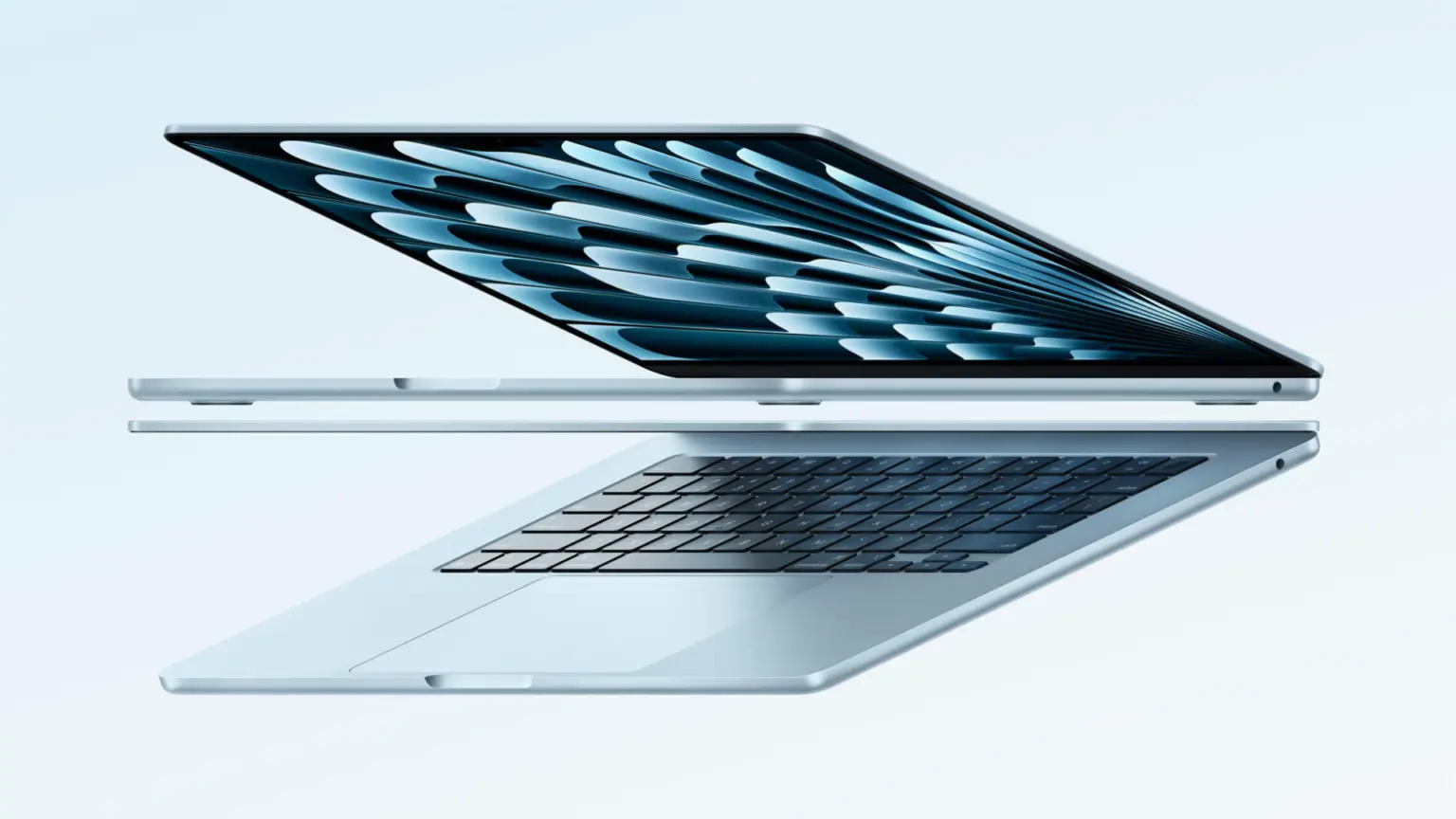
The changes do not currently affect iPhones, which remain Apple’s most important source of revenue. However, the MacBook Neo, amongst others, has become more expensive, with its price rising from $599 to $699. Price rises have also affected the MacBook Air, MacBook Pro, iPad Air, as well as HomePod speakers and Apple TV set-top boxes. Depending on the model, price increases range from $100 to as much as $300.
Apple acknowledges that for many months it absorbed the rising costs of components, but it is no longer possible to maintain the current prices. When the financial results for the previous quarter were published, Tim Cook had already warned that memory prices would increasingly affect the company’s profitability.
The root of the problem is an unprecedented surge in demand for memory used in AI servers. Companies such as Nvidia are entering into multi-year contracts with memory manufacturers, and Micron recently announced that it had secured orders worth $22 billion. According to TrendForce data, DRAM prices rose by as much as 98 per cent in the first quarter of 2026, and could increase by a further 58–63 per cent in the following quarter.
Analysts point out that, thanks to its scale and strong relationships with suppliers, Apple has for a long time been more effective than its competitors at mitigating the impact of rising component costs. However, if even this company has decided to raise prices, other computer and tablet manufacturers may be forced to implement even greater price increases.
Experts also predict that this decision may herald similar moves in the smartphone sector. Although Apple has not yet changed the prices of its iPhones, some analysts believe that rising memory costs will sooner or later affect the company’s flagship product line as well. As a result, the boom in AI infrastructure is having an increasingly clear impact not only on chip manufacturers’ results, but also on the prices of devices purchased by consumers.