On Friday 17 July, Apple briefly took the title of the world’s most valuable company. During the trading session, its market capitalisation reached around $4.88 trillion, whilst Nvidia’s fell to around $4.86 trillion. At the close of trading, the situation reversed again: Nvidia was valued at around $4.95 trillion, whilst Apple stood at $4.91 trillion. This illustrates just how small the gap between the two companies currently is and how quickly the balance of power in the market can shift.
A change at the top, even if short-lived, points to a broader correction in investor expectations. Nvidia remains a key supplier of graphics chips for data centres and one of the biggest beneficiaries of the boom in generative artificial intelligence. However, the market is increasingly valuing not only companies building AI infrastructure, but also those that can sell services and devices utilising this technology.
In Apple’s case, its main strength lies in its extensive ecosystem of devices, services and users. The company can generate revenue from AI through new system features, paid services and subsequent replacement cycles for iPhones and computers. In June, Apple unveiled a revamped version of Siri, based on the new generation of Apple Intelligence and making greater use of user context. The solution is also designed to maintain a focus on privacy protection.
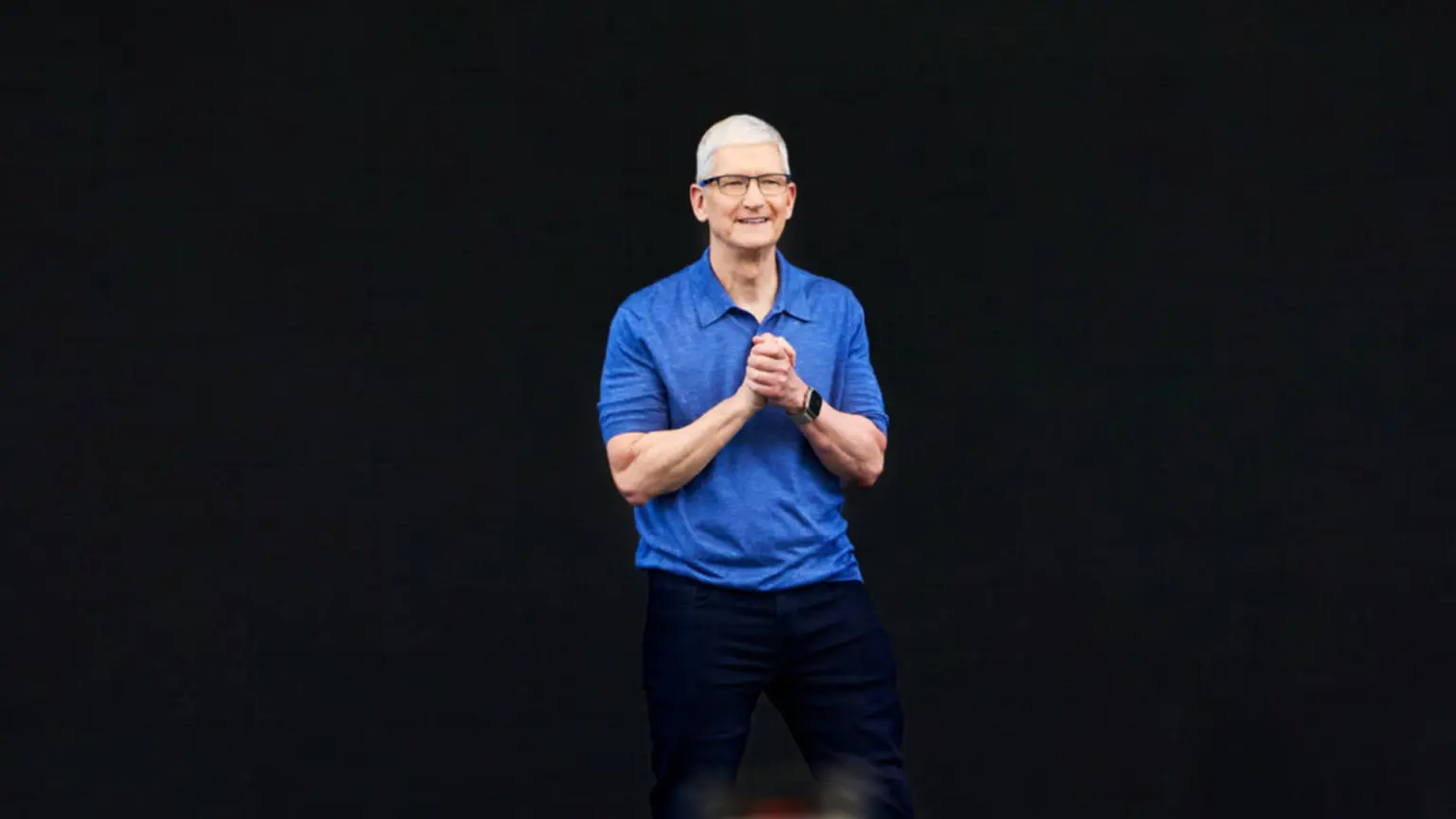
Apple’s return to the very top coincides with the end of Tim Cook’s tenure. From 1 September 2026, John Ternus, the current head of hardware engineering, is set to take over as CEO. Cook will remain with the company as executive chairman of the board of directors.
This does not mean that Nvidia is losing its significance. Demand for computing power remains high, and the development of AI is also driving memory manufacturers such as Micron and SK Hynix. The key takeaway is simple: investors are not turning their backs on AI, but are looking for a broader range of companies capable of translating this technology into sustainable revenue.