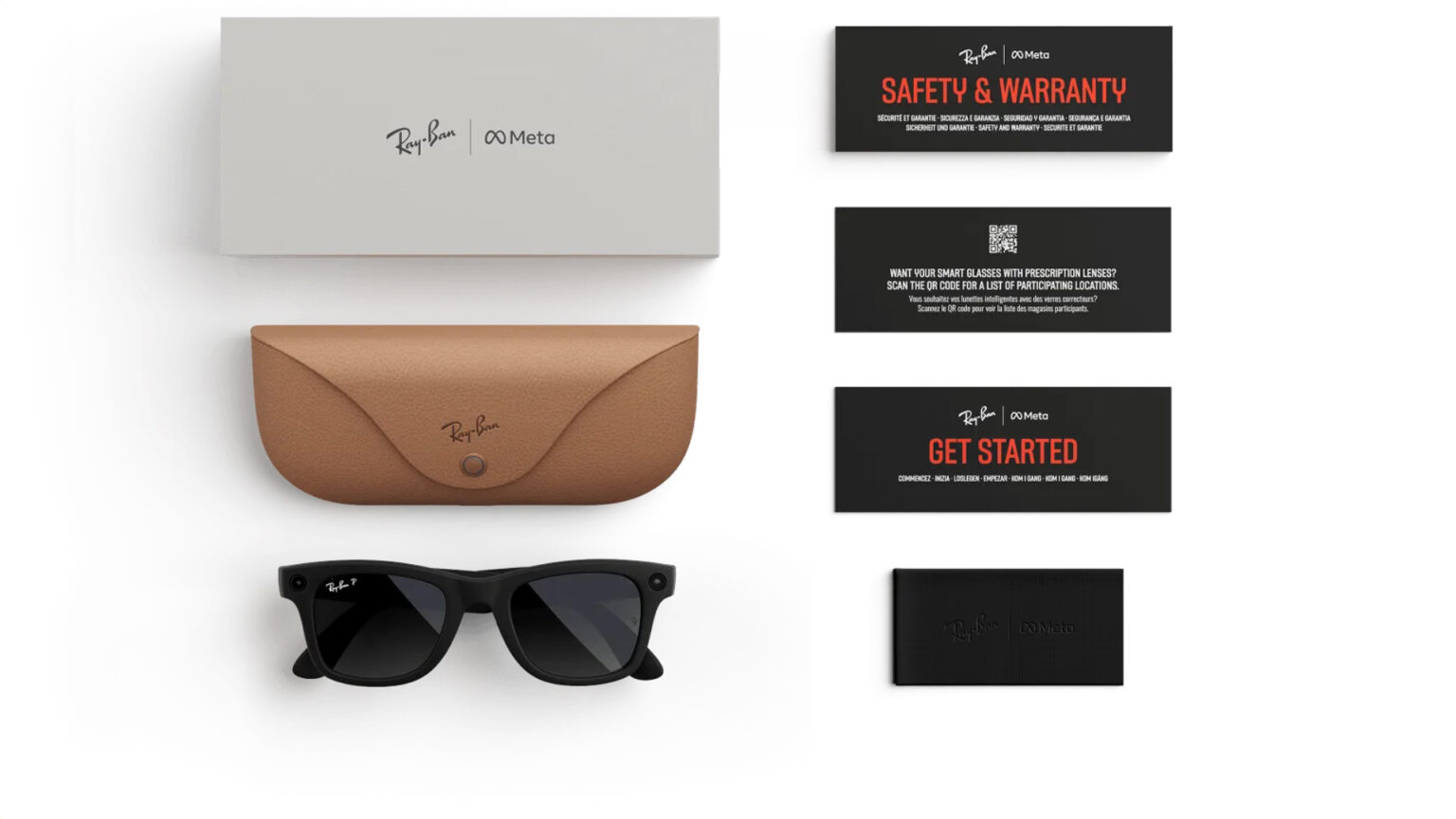
The German organisation HateAid has filed a complaint with the ZIT unit against Meta representatives and companies selling its smart glasses, including MediaMarkt and opticians’ chains. The case primarily concerns the Ray-Ban Meta Wayfarer, which allows users to record video and audio in a way that is difficult for bystanders to notice. However, the complaint itself does not imply that a crime has been committed. German law enforcement agencies will decide on the next steps in the case.
At the heart of the dispute is the recording indicator. Critics claim that the small LED is barely visible, particularly in bright surroundings. Meta responds that in the second generation of the glasses, the camera switches off when it detects that the LED is obscured, and the company is also extending its safeguards to cover attempts to physically damage the LED.
This is an awkward moment for Meta from a business perspective. The company, together with EssilorLuxottica, is developing the glasses as one of the key hardware formats for AI and, in June, expanded its range with a new line of Meta Glasses. At the same time, the Hamburg Data Protection Authority has been conducting a separate investigation since 2025 concerning, amongst other things, the visibility of recording, data flow and the use of data in AI functions.
If the German authorities share HateAid’s concerns, this could result in stronger hardware safeguards, additional obligations for retailers and restrictions on the use of such devices in sensitive locations. Courts in England and Wales have already banned smart glasses in court buildings. This is an important signal for the entire wearable devices market: success will depend not only on the quality of the AI, but also on the level of privacy protection afforded to those around the user.