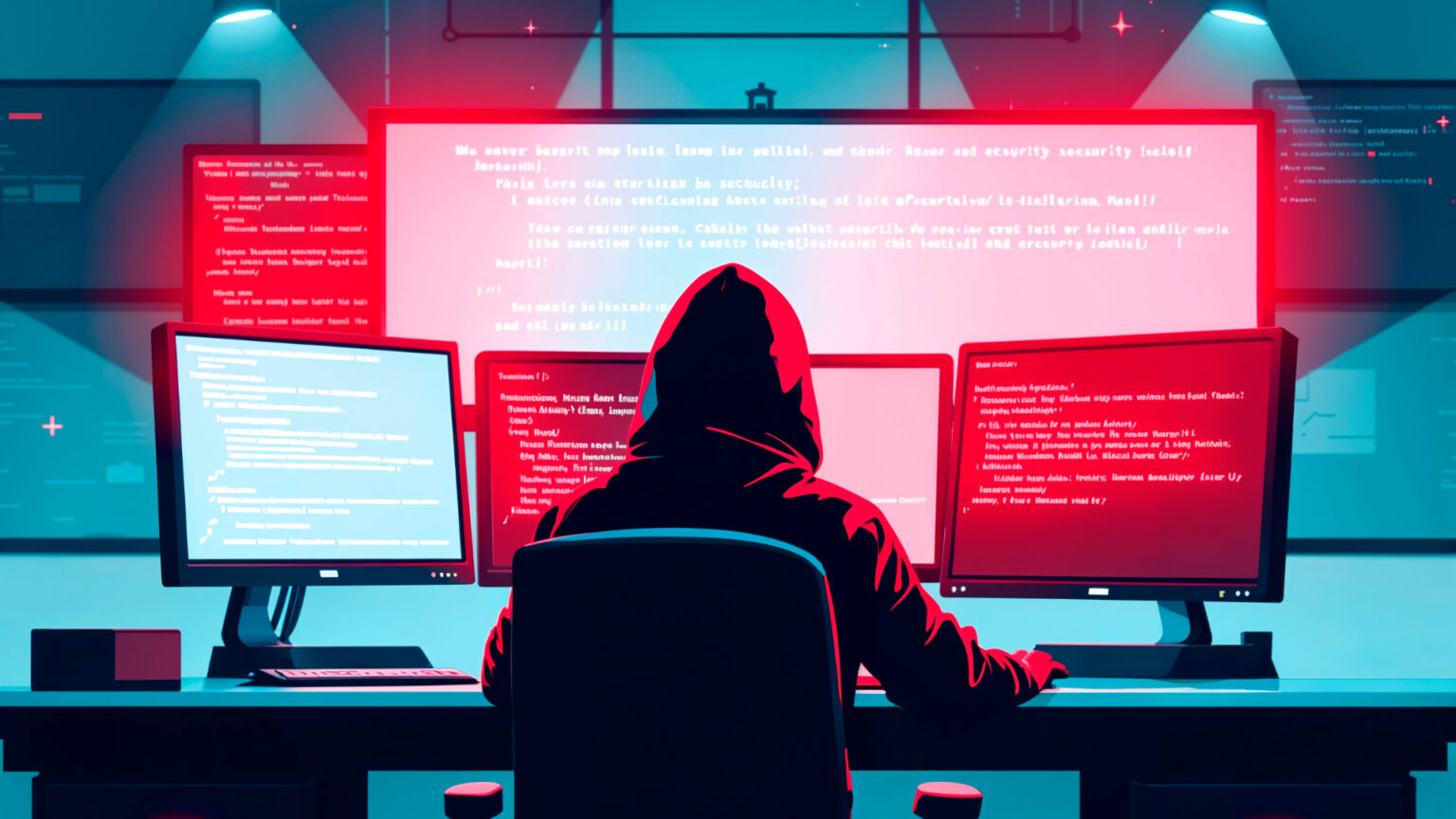
The hacking of FBI Director Kash Patel’s private email inbox by Handal’s group – associated with Iranian intelligence – is more than just a tabloid leak of photos with cigars and rum in the background. It is a precisely aimed message in a psychological war that is increasingly permeating from the government sphere into the private sector. While the FBI is reassuring that the stolen data is historical and does not contain state secrets, the incident exposes a gap in the security architecture of modern leaders: the blurring line between the professional and personal spheres.
A strategy of public humiliation
Experts, including Gil Messing of Check Point, point to a clear shift in Iran’s tactics. Instead of sophisticated attacks on critical infrastructure, which could be met with a devastating military response, Tehran is betting on hack-and-leak operations. The aim is simple: to make US policymakers feel vulnerable. The publication of Patel’s private correspondence from 2010-2019 is intended to show that no one, not even the head of the Federal Bureau of Investigation, is beyond the reach of the Islamic republic’s digital tentacles.
Risks to business: The case of Stryker and Lockheed
For business, however, the most important wake-up call is not the attack on Patel, but Handala’s parallel actions targeting giants such as Stryker and Lockheed Martin. The group is not confined to politics; it is hitting medical supply chains and the data of defence workers. This shows that Iran’s cyber units treat corporations as an extension of state targets. Leaking employee data in the Middle East is a direct physical threat that goes beyond the typical cybercrime.
The Patel incident is reminiscent of the 2016 scenario and the hacking of John Podesta’s inbox. Despite the passage of a decade, relatively simple breaches of private Gmail or AOL accounts remain the most effective method of infiltration. For executives, there is one lesson here: digital hygiene in private life is now an integral part of corporate risk management. A private message from a decade ago can become a weapon in today’s conflict. Iran, analysts suggest, is ‘firing everything it has’, heralding a series of further leaks targeting those closest to the administration and key industries.