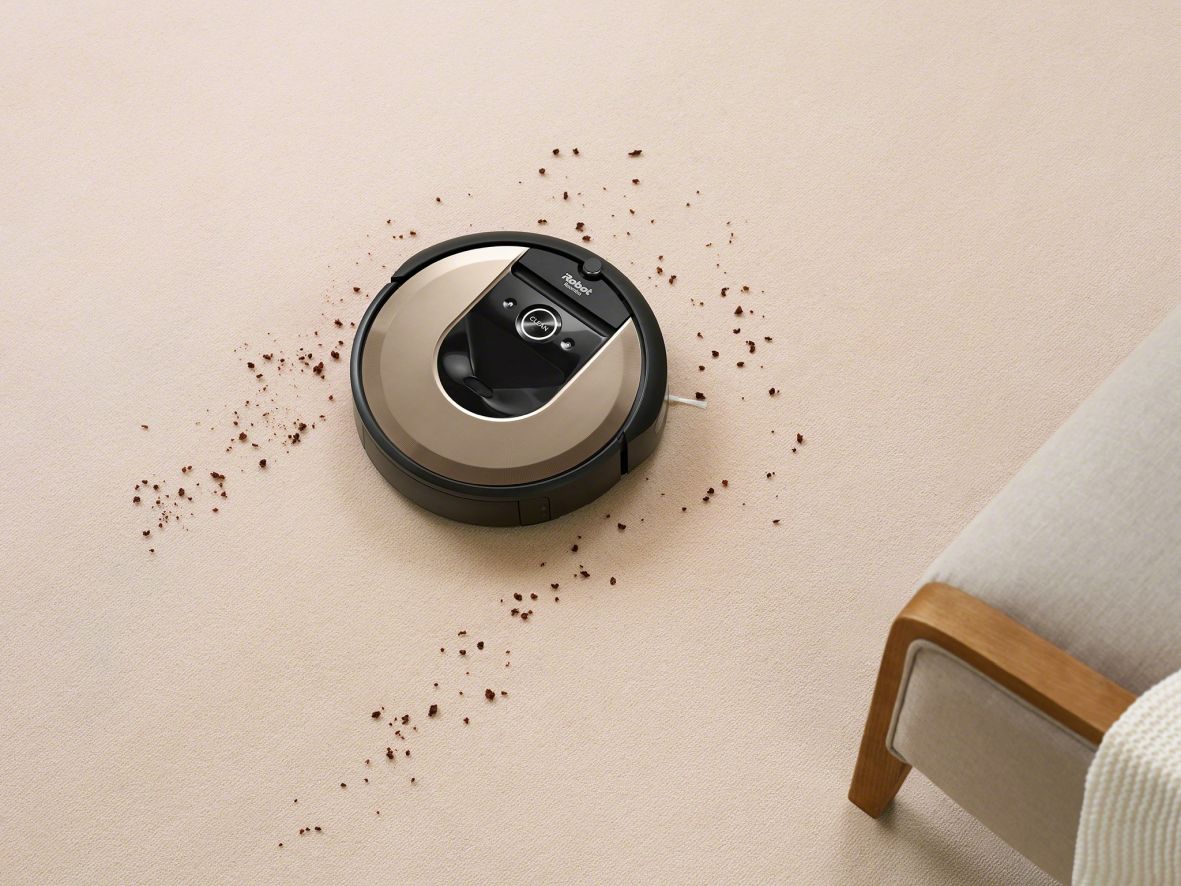
For the consumer electronics industry, this is the symbolic end of an era. iRobot, the company that almost single-handedly created the domestic cleaning robot category and brought the Roomba brand under the roof, has filed for insolvency in the United States. The decision, however, does not mean the products will disappear from the shelves, but a drastic change in the ownership structure. The Massachusetts-based pioneer will be fully acquired by its existing manufacturing partner, Chinese company Picea Robotics.
The move is the culmination of a months-long battle for survival that iRobot has been fighting on two fronts: regulatory and market. Back in 2022, it seemed that Amazon would be the salvation for the American legend. The e-commerce giant was planning an acquisition that would have provided iRobot with capital and technology backing. However, the deal was blocked by European antitrust authorities. The European Commission argued that Amazon could use its dominant market position to favour Roomba devices at the expense of competitors. The failure of this deal left iRobot with mounting debt and no strategic investor.
The situation was exacerbated by the dynamics of the market itself. While iRobot was struggling corporately, Chinese competitors were aggressively gaining market share, offering devices that were often cheaper and more technologically advanced, particularly in the robotic mopping segment. Ironically, it is the Chinese contract manufacturer that iRobot defaulted on now becomes its owner. According to the restructuring plan, Picea Robotics will acquire 100 per cent of the shares, which means an exit for existing shareholders without any funds.
The acquisition is expected to be finalised in a flash, with the completion of the insolvency proceedings already scheduled for February. For the distribution channel, the key message is one of operational continuity – the brand is expected to continue to function, albeit under a new helm. The transition of iRobot into the hands of a supply chain entity is a clear indication of how the balance of power in global hardware manufacturing has changed, with innovators without strong financial backing becoming easy targets for their manufacturing partners.