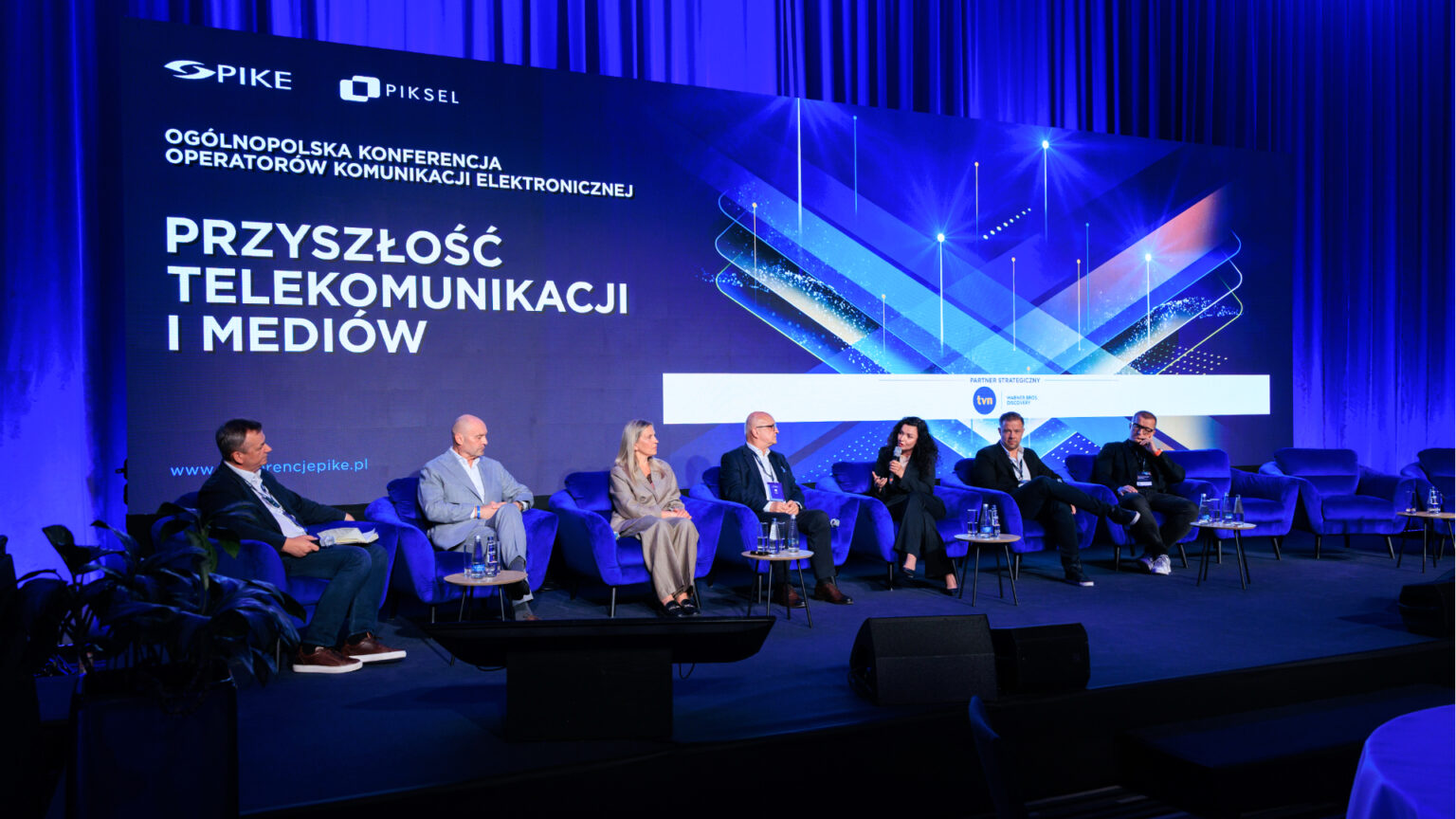
The Polish telecommunications sector is in a strategic clinch. On the one hand, the industry needs to spend around PLN 50 billion on infrastructure expansion in the coming years, while on the other, it is facing a real revenue decline of 22% over the past five years. This is the most important conclusion of the PIKE 2026 conference in Sopot, which brought together more than 550 representatives of business, broadcasters and regulators.
Financial squeeze and call for deregulation
The data presented at the event shows a deep market asymmetry. Telecoms companies spend more than a fifth of their revenues on investment, three times the average for the rest of the economy. Yet regulatory instability is blocking progress. More than 60 per cent of operators admit that they are holding back investment due to regulatory uncertainty, and 70 per cent believe that there are simply too many regulations.
In response to these concerns, the president of the Office of Electronic Communications, Przemyslaw Kuna, has announced a drive towards systemic deregulation. Among other things, the regulator plans to centralise reporting and intervene with the OCC to formally allow operators to valorise service prices in response to rising operating costs.
EU DNA package instead of promised simplification
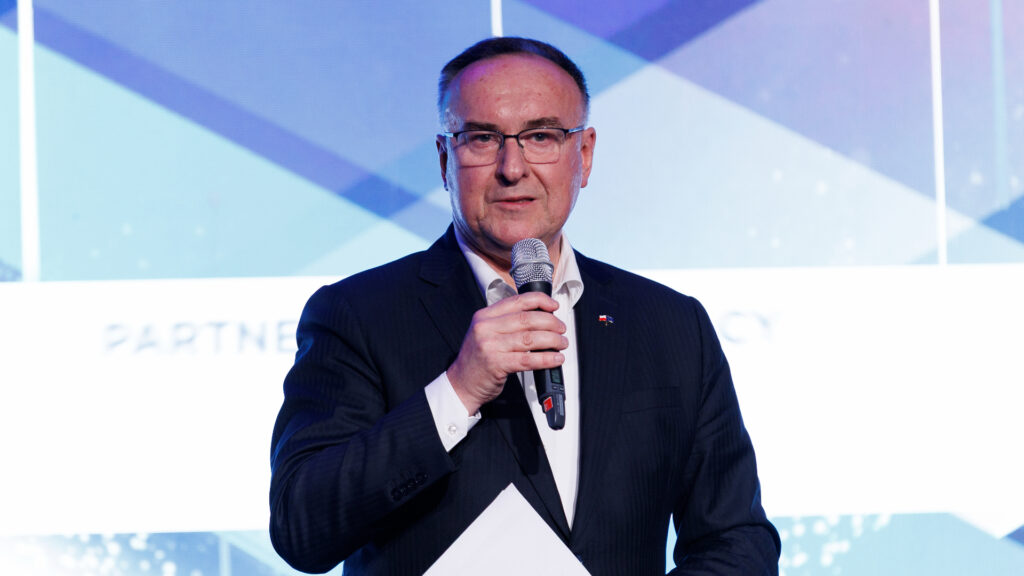
The EU’s Digital Networks Act (DNA) project remains a big question mark for the sector, as discussed by Michał Kobosko, MEP and member of the Bureau of the Renew Europee Group. He presented the current status of work on the Digital Networks Act (DNA) project.
Although it was originally intended to slim down bureaucracy, the resulting document is as long as 377 pages. Polish operators are concerned that the new EU rules, including the concept of indefinite frequency licences, will limit competition and hit smaller, national players. The new law will not come into force until the end of 2027 at the earliest.
Kobosko warned of the risk of unlimited frequency licences, which could permanently limit competition in the market.
Digital rescue: AI and new formats
The situation is equally difficult for local TV. Although they reach 10% of Poles, their share of the national advertising market is close to zero, due to the monopoly of nationwide brokers and formal barriers in subsidy programmes.
However, technology is becoming an opportunity to improve profitability and growth. The media sector is increasingly bold in implementing artificial intelligence, which can reduce costs by up to 30% in post-production alone. The industry is also looking for new business models in the segment of short, vertical video formats for smartphones – so-called micro-dramas – which are rapidly gaining popularity. In turn, the Polish Space Agency has announced the construction of a ground station as part of the Iris2 secure satellite communication system, which in the long term will open up completely new infrastructure markets for the Polish digital sector.