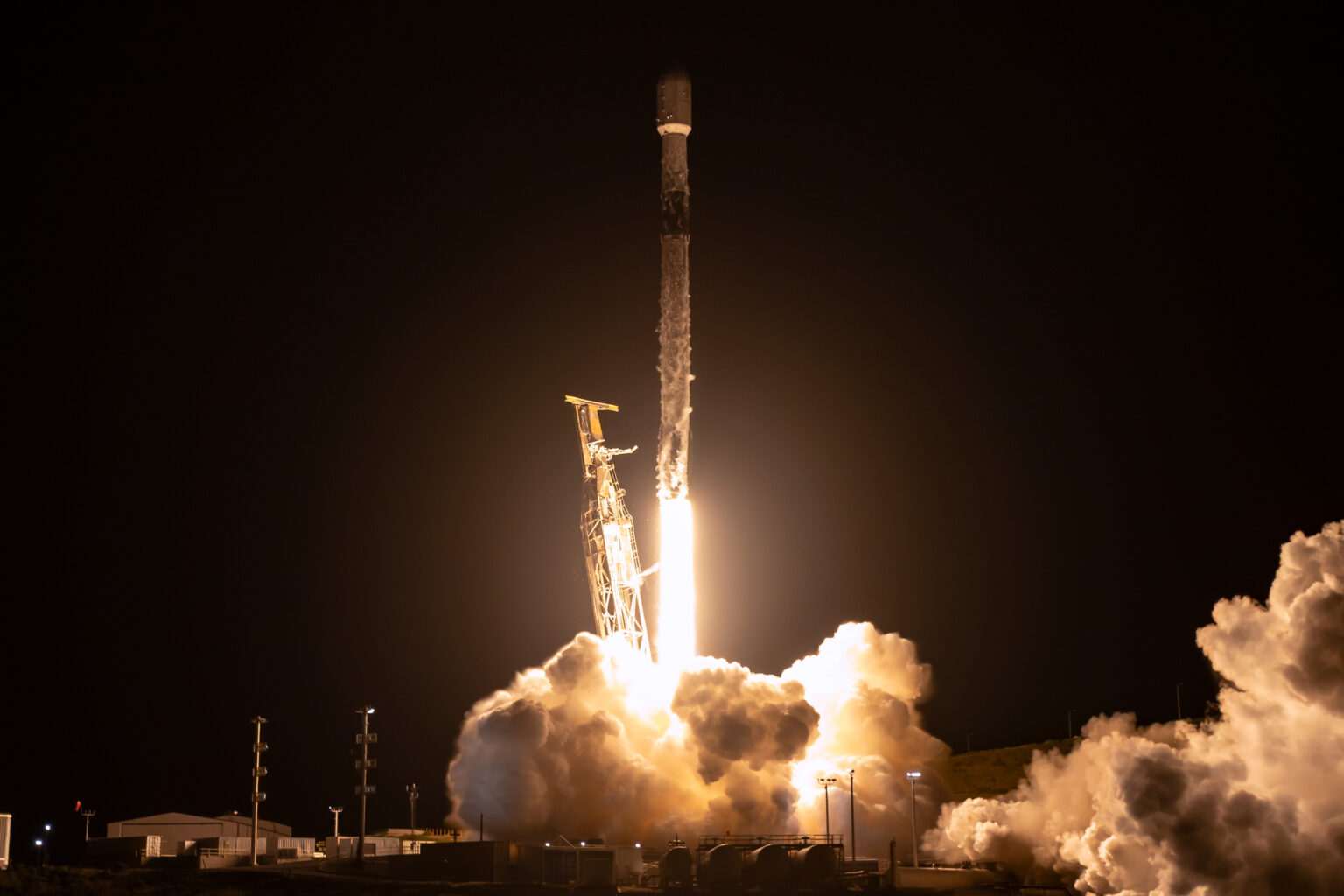
When SpaceX filed a confidential prospectus, the market expected numbers beyond Earth’s atmosphere. However, the latest details of the operation, accessed by the media, suggest that Elon Musk is not just planning an IPO, but building the most centralised and ambitious technology conglomerate in history. With a valuation targeting $1.75 trillion, SpaceX is no longer seen solely as a transportation company, becoming the foundation for next-generation artificial intelligence infrastructure.
Underpinning this transformation is the founder’s tightening of control. Last year, Musk bought back $1.4 billion worth of shares from current and former employees, a signal of confidence sent to internal stakeholders just before the public opening. The post-IPO corporate governance model leaves no illusions about who will hold the reins. With a two-class capital structure, Class B shares grant Musk and a small group of trustees ten times the voting power of standard shares offered to public investors. This arrangement, while familiar from Silicon Valley, in this case cements Musk’s power as CEO, technical director and chairman of the board in an almost absolute way.
However, the company’s finances reveal some tension between a profitable satellite business and huge investment appetites. Starlink, generating $4.42 billion in operating profit, has become a ‘milking cow’ to fund integration with xAI – Musk’s artificial intelligence company. Although SpaceX reported a consolidated loss of nearly $5 billion in 2025, this is mainly due to an aggressive pivot towards AI. Capital spending increased fivefold in two years to $20.7 billion, more than half of which was spent on computing infrastructure.
This is where the most futuristic element of the strategy comes in: building data centres in space. This plan is not just a technological curiosity, but a condition for activating a gigantic incentive package for Musk. The billionaire can receive an additional 60 million shares if the company’s capitalisation rises to an unimaginable $6.6 trillion and the space server project for AI developers is realised.
For Wall Street investors about to meet with executives in Texas, SpaceX thus becomes a unique hybrid. On the one hand, it offers stable revenues from its dominance of the launch market and satellite internet, while on the other, it is a huge leverage for AI development. Musk apparently assumes that since he has managed to monopolise access to orbit, the next step must be to move the brains of the global digital economy there. Although the structure of the IPO limits the influence of shareholders on the strategy, the scale of the potential returns means that the queue of applicants for Class A shares is likely to break all records.