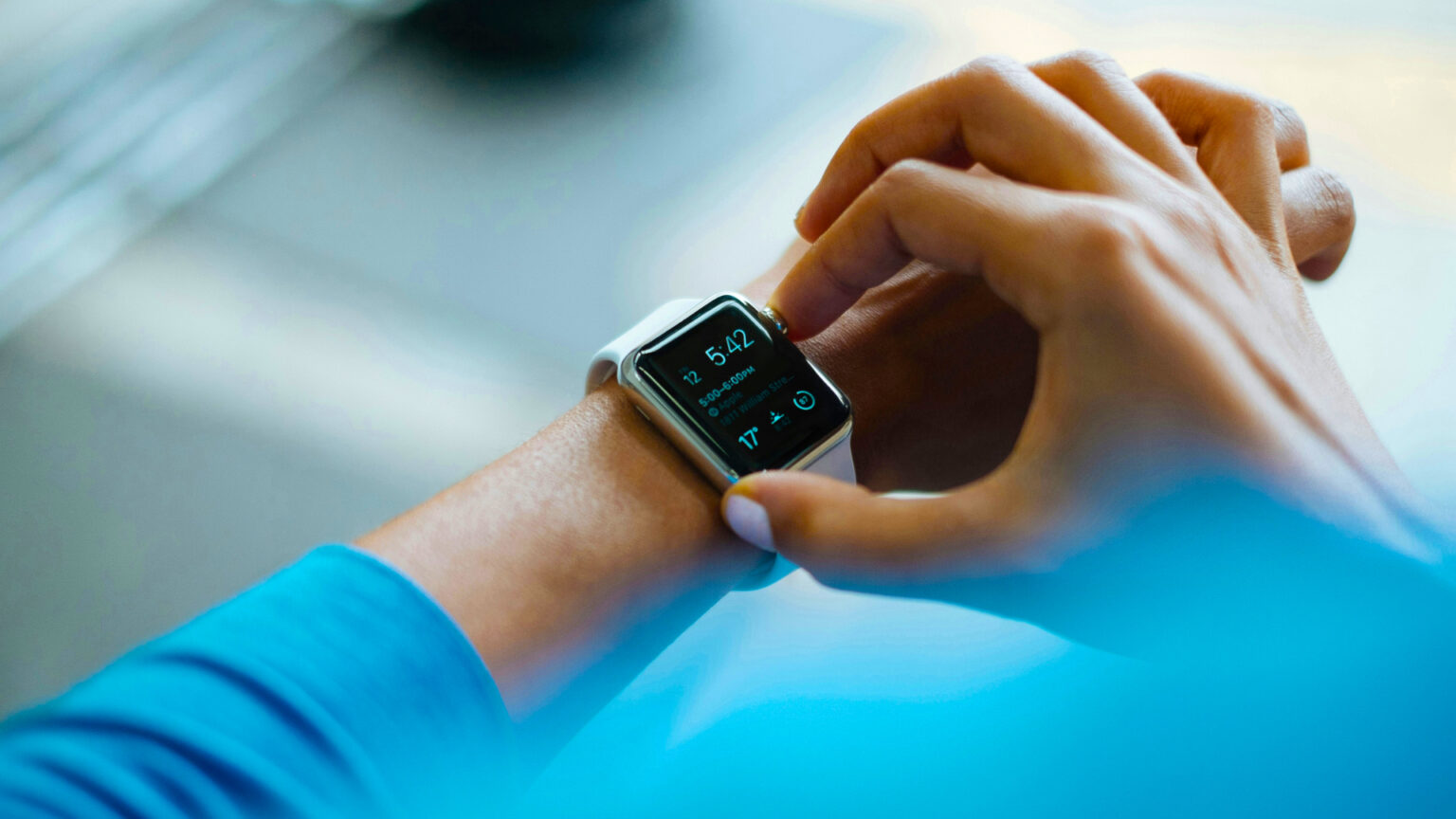
The wearables market is no longer just a fitness niche. In the first quarter of 2026, 145.7 million wearables were shipped worldwide, 4.3 per cent more than a year earlier. Watches, wristbands, rings and earphones are increasingly measuring parameters that, until recently, required separate equipment: heart rate, skin temperature, sleep, activity and the body’s physiological responses.
For employers, however, the problem begins not on the employee’s wrist, but within the company’s IT system.
The GDPR defines health data broadly: as information relating to physical or mental health that reveals a person’s state of health. A step count on its own may be mere personal data, but when combined with heart rate, sleep patterns, activity history and a user’s profile, it can be used to draw conclusions about fitness, fatigue or illness. At that point, the company ceases to be processing ‘wellness’ data and begins to handle one of the most strictly protected categories of information.
In Poland, the scope is even narrower. Article 22¹b of the Labour Code stipulates that an employee’s consent may form the basis for processing special categories of data only if the data is provided on the employee’s own initiative. A lack of consent or its withdrawal must not result in any adverse consequences. The model whereby ‘the company hands out watches and employees agree to the transmission of health data’ therefore does not automatically provide the employer with a secure legal basis.
This is not merely a European formality. The UK’s ICO explicitly states that consent to health monitoring in the employer–employee relationship is problematic due to the imbalance of power. If a refusal could even indirectly affect a performance review, a bonus, a work rota or the relationship with a line manager, it is difficult to speak of free choice.
Where wearables actually make sense
The most compelling business applications do not involve counting steps in the office, but rather workplace safety.
EU-OSHA describes the use of wristbands with EEG sensors to detect a decline in alertness and fatigue in mining, heavy transport and when operating machinery. The system can alert an employee or supervisor before a loss of concentration leads to an accident. At the same time, the agency highlights psychosocial risks: a device designed to prevent accidents could become a tool for the constant monitoring of mental state and performance.
Another system analysed by EU-OSHA uses a wristband to collect data on a worker’s movements and their surroundings in logistics, manufacturing and ports. The aim is to identify hazardous situations and reduce the risk of injuries. However, the same dataset could very easily be used to measure an individual’s work rate, breaks or behaviour. Technologically, the difference is minimal. Organisationally and legally, it is fundamental.
Added to this is the AI Act. From February 2025, the EU will prohibit the use of AI systems to recognise emotions in the workplace, apart from exceptions relating to medicine and safety. A system that attempts to classify an employee as stressed, frustrated or engaged on the basis of their voice, facial expressions or physiological signals may therefore fall outside the permitted scope of use.
Motivation yields poorer results than marketing
The argument for a ‘healthier and more productive workforce’ also warrants caution. In a randomised study of 800 employees in Singapore, Fitbit alone did not significantly increase moderate and vigorous physical activity after six months compared with the control group. Financial incentives were effective, but not all the benefits persisted after the programme ended.
An even stronger signal came from a study of a wellness programme involving 4,834 employees. After two years, no significant improvement was observed in biometric parameters, the number of diagnoses or the use of medical care. Another large study of nearly 5,000 people also found no significant impact on productivity or medical expenditure.
Wearables are therefore a convincing tool where they measure specific risks: driver fatigue, operator strain, or employee exposure. They fare much worse as a corporate barometer of staff wellbeing.
The most costly mistake will not be buying the wrong watch. It will be creating an infrastructure in which a company collects more information about its employees’ health than it actually needs — and then begins to use it for decisions for which it should never have been collected in the first place.