Alphabet has reported results that both confirm the strength of its business and raise further questions about the cost of the AI race. In the second quarter of 2026, the company’s revenue rose by 24 per cent to $119.8 billion. The cloud segment was the strongest performer. Google Cloud increased its revenue by 82 per cent to $24.8 billion, mainly driven by demand for infrastructure and artificial intelligence solutions.
The problem, therefore, is not a lack of growth, but the cost of that growth. Alphabet has raised its forecast for this year’s capital expenditure from $180–190 billion to $195–205 billion. In the second quarter alone, investment in property and equipment reached $44.9 billion. The company also recorded negative free cash flow of $5.9 billion.
The delay to the Gemini 3.5 Pro is creating further pressure. In May, Google had announced the model’s launch for June. However, during the July earnings call, Sundar Pichai stated that the system is still undergoing testing. The model is expected to be particularly significant in programming and tasks carried out by AI agents – areas in which OpenAI and Anthropic hold a strong position.
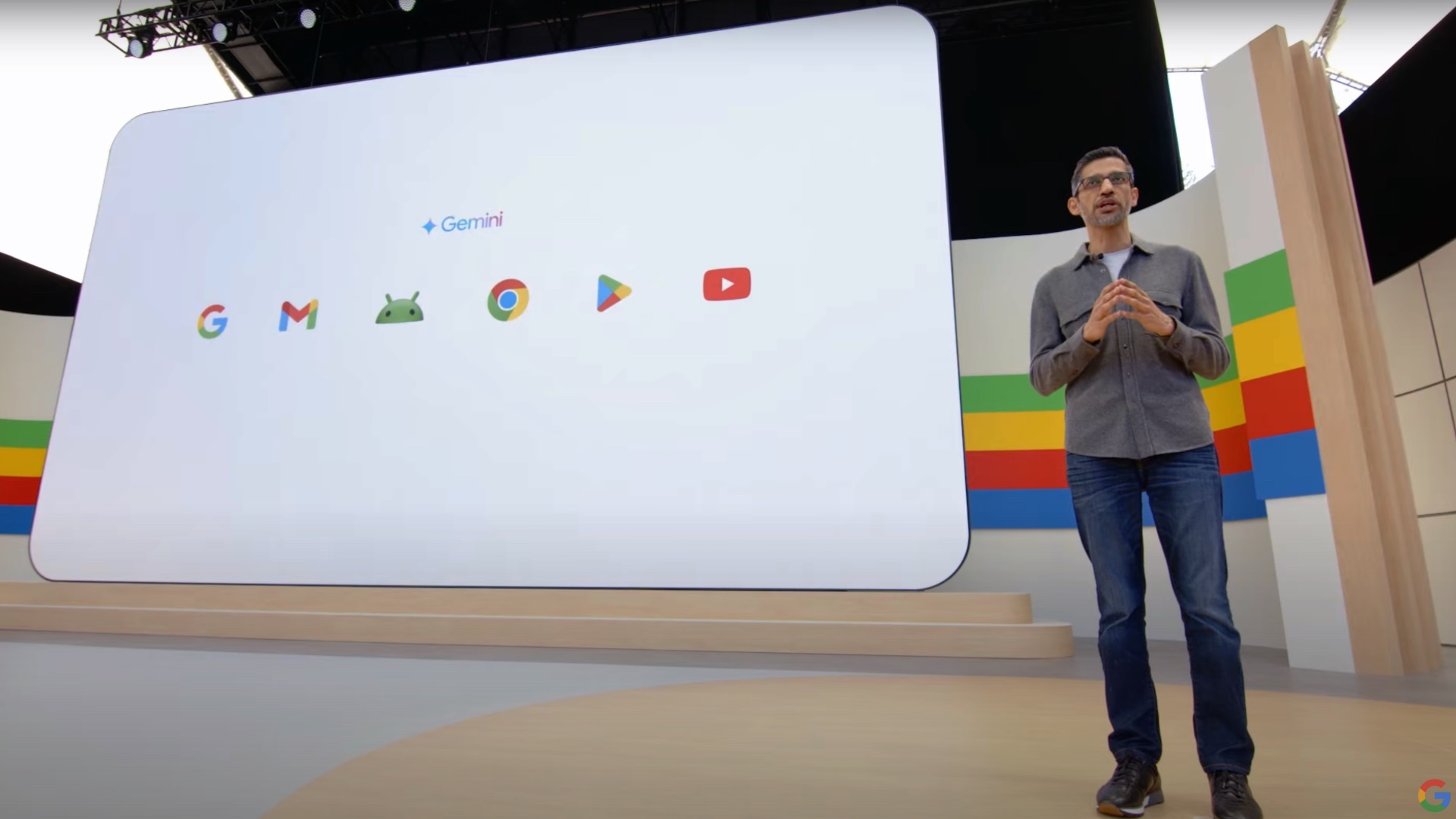
This situation does not mean that Google is out of the race. The company has advantages in the form of its global search engine, YouTube, Android, its own TPU chips and cloud infrastructure. Gemini is also being rapidly rolled out across consumer and business services. According to Alphabet, the Gemini app has 950 million monthly active users, whilst Google Cloud’s order book has reached $514 billion.
However, the key issue is not whether Alphabet can develop AI, but how quickly it can turn its massive investment into sustainable profits. The record growth of the cloud business is showing the first results of this strategy. However, the delay in the launch of its flagship model and growing financial requirements increase the risk that a return on investment will materialise later than the market expects.