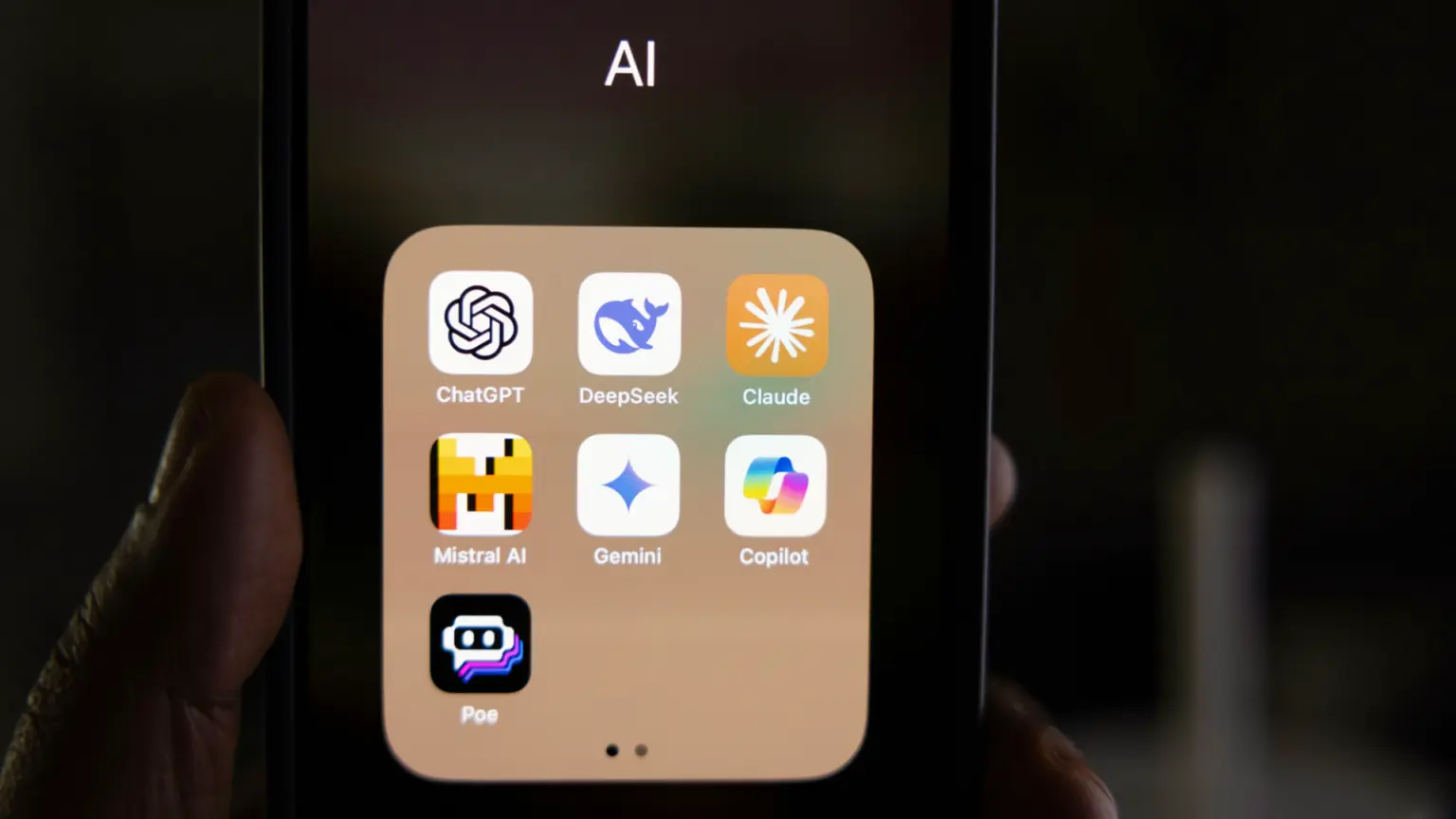
DeepSeek, the Chinese startup that destabilised the AI market last year with its low-cost models, has just made a move of a strictly strategic nature. The release of a familiarisation version of the V4 model demonstrates that the Chinese AI ecosystem is preparing for a permanent disconnect from Western infrastructure.
A key differentiator of V4 is its strict optimisation for the Huawei Ascend processor architecture. While the Hangzhou-based startup has historically based its success on Nvidia chips, the current turn to domestic solutions is a response to growing regulatory pressure from Washington. Huawei has confirmed that the entire Ascend ‘super node’ product line already supports the new DeepSeek architecture, suggesting deep integration at the hardware-software level to minimise performance losses from not having access to the latest H100 or Blackwell units.
In terms of content, V4 Pro positions itself at the top of the world. According to the manufacturer, the model outperforms other open-source solutions in general knowledge tests, second only to the closed model Gemini-Pro-3.1 from Google. The strategy of providing a flash and preview version allows the company to collect real-time feedback data, which is essential for calibrating parameters prior to final deployment.
The market reaction to the launch was immediate and painful for competitors. The stock market listing of rivals such as Zhipu AI and MiniMax saw significant declines, confirming DeepSeek’s dominant position in China’s open-source sector. At the same time, the company finds itself at the centre of a geopolitical cyclone. The White House openly accuses Beijing Labs of systemic intellectual property theft, and DeepSeek itself faces allegations of misuse of data from its OpenAI and Anthropic models.
For investors, however, DeepSeek remains one of the most promising assets in Asia. The company, controlled by High-Flyer Capital Management, is aiming for a valuation in excess of $20 billion. Interest in taking a stake from giants such as Alibaba and Tencent suggests that Chinese Big Tech sees DeepSeek not just as a technology provider, but as the foundation of a national technology stack.