In the race for quantum supremacy, NVIDIA is making a move that could change the balance of power not only in the labs, but also in the data centres. The NVIDIA Ising family of models just unveiled is the world’s first open attempt to harness artificial intelligence to solve the ‘Achilles’ heel’ of quantum computers: their extreme instability.
Today’s quantum processors (QPUs) are technologically impressive but business-wise unusable. They generate an error on average once per thousand operations. For the technology to realistically compete with traditional silicon in pharma or logistics, this rate needs to drop to one error per billion. Jensen Huang, Nvidia’s chief executive, makes it clear: AI is not just an add-on here, but an essential ‘operating system’ to manage this fragile architecture.
Architecture instead of promises
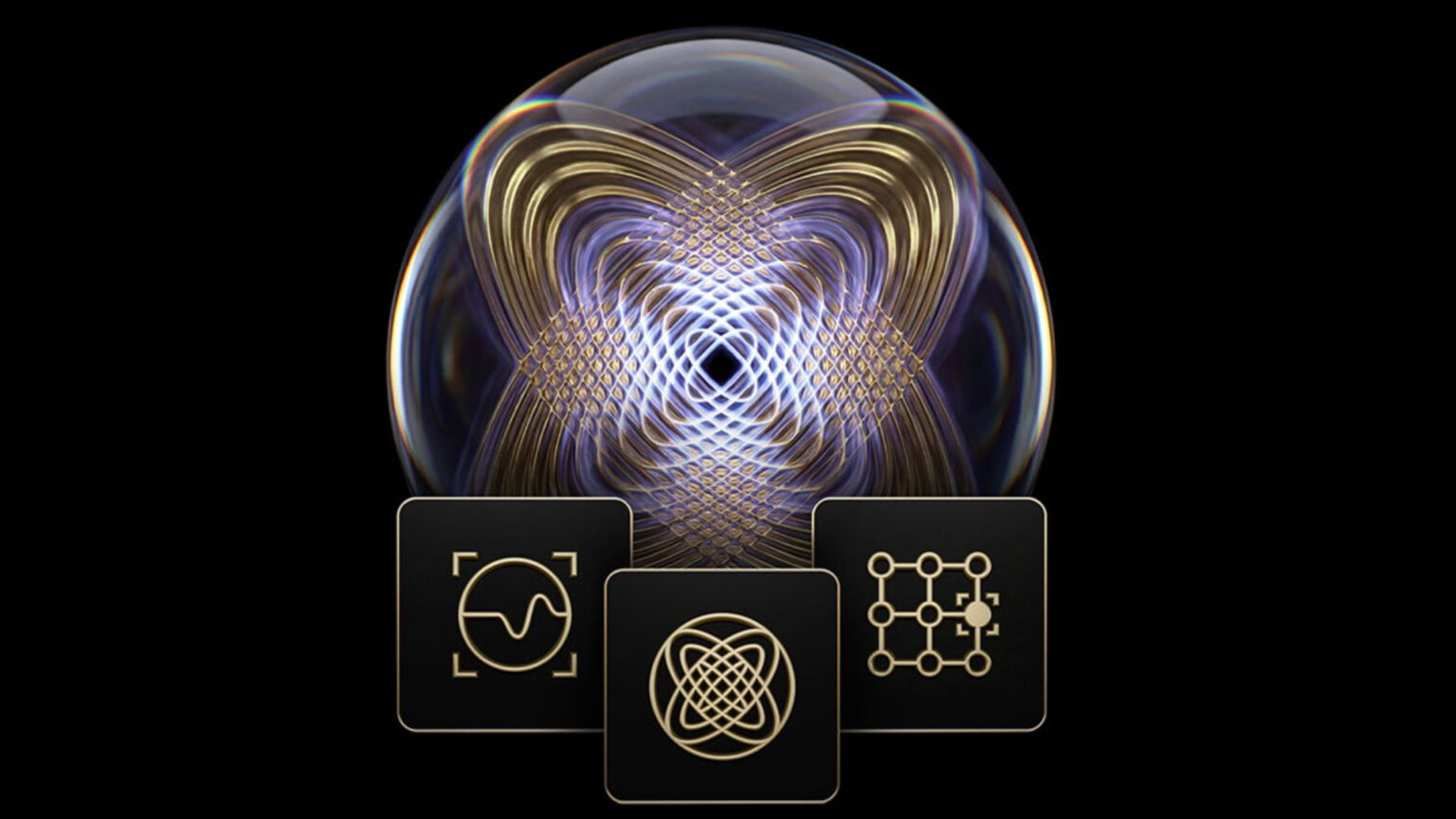
Instead of building its own quantum computer, NVIDIA is positioning itself as a critical layer provider. The Ising family consists of two specialised tools that hit the industry’s narrowest bottlenecks. The Ising Calibration model uses computer vision technology to automate processor settings. What previously took physicists days of painstaking work, AI can cut down to a few hours.
Ising Decoding, on the other hand, is a 3D neural network designed for real-time error correction. The results are promising. Compared to the current market standard, pyMatching, Nvidia’s solution shows three times the accuracy and 2.5 times the speed. In a world where milliseconds of delay determine the decay of a quantum state, such an advantage is fundamental.
Open door strategy
The decision to make models available in an open source format is a smart business move. By integrating Ising with the existing CUDA-Q platform and NVQLink hardware link, the green giant is creating an ecosystem that will be difficult to disconnect from. Companies and universities can train these models on their own data while retaining full control of the infrastructure, which is crucial for sectors such as cyber security or finance.