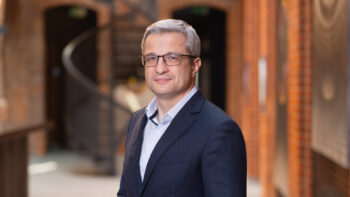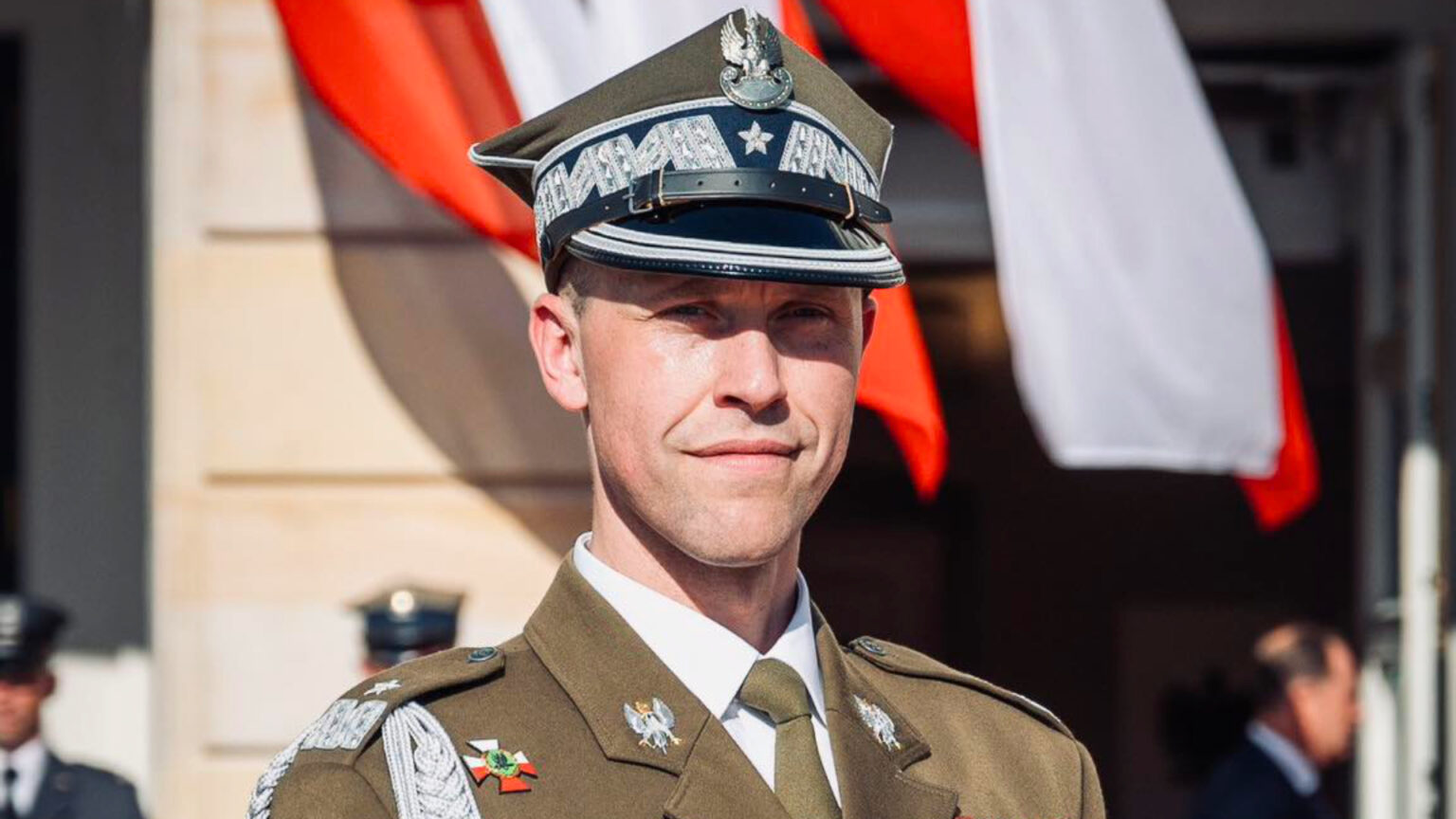
Poland is making a strategic change in the command of its digital forces, which could signal a new phase in the digitalisation of the national defence system. General Mariusz Chmielewski is taking over the reins at the Cyber Defence Forces (WOC), replacing General Karol Molenda. This personnel reshuffle is more than a routine rotation – it signals Warsaw’s focus on deep integration of artificial intelligence into military operations at a time when Polish networks are under constant fire.
General Molenda, who built the WOC from scratch, is leaving in glory. His new role as strategic advisor to the NATO transition commander in Norfolk is a clear recognition of Polish competence. Under his leadership, Poland’s cyber forces have become one of the highest-rated structures in the Alliance, regularly dominating prestigious exercises such as Locked Shields. Molenda has proven that Poland can not only repel a record number of attacks, but also actively shape cyber security standards on the international stage.
The new commander, Gen Mariusz Chmielewski, brings a unique scientific and technical profile to the formation. As an expert affiliated with the Military University of Technology, specialising in artificial intelligence and modern information systems, he represents a new generation of ‘soldier-scientists’. His experience in implementing operational systems for the Ministry of Defence suggests that the priority of the WOC under his command will be the automation of defence processes and the development of advanced cryptological solutions.
For the technology and business sectors, this change is an important indicator. Under the leadership of an AI expert, WOC can become an even stronger incubator of innovation, influencing the security standards of critical infrastructure across the country. Chmielewski, as Molenda’s current deputy, guarantees a continuation of the chosen strategy, but with a stronger emphasis on the use of algorithms in threat prediction.
In the face of a dynamically changing geopolitical landscape, Poland is becoming the de facto hub of NATO’s cyber competence. Exporting talent to global structures such as the Norfolk command, while putting a technology visionary at the helm domestically, is a move that is set to secure the country’s digital borders for years to come. Chmielewski’s success will be measured by how effectively he translates complex AI models into real-world advantage on the virtual battlefield.