While Silicon Valley’s attention is focused on the architecture of the latest GPUs, the real threat to the pace of artificial intelligence development has manifested itself in the petrochemical sector. Recent disruptions in the Middle East, including the hit to the Saudi Jubail complex, have exposed the heavy dependence of global electronics on a narrow set of feedstock suppliers.
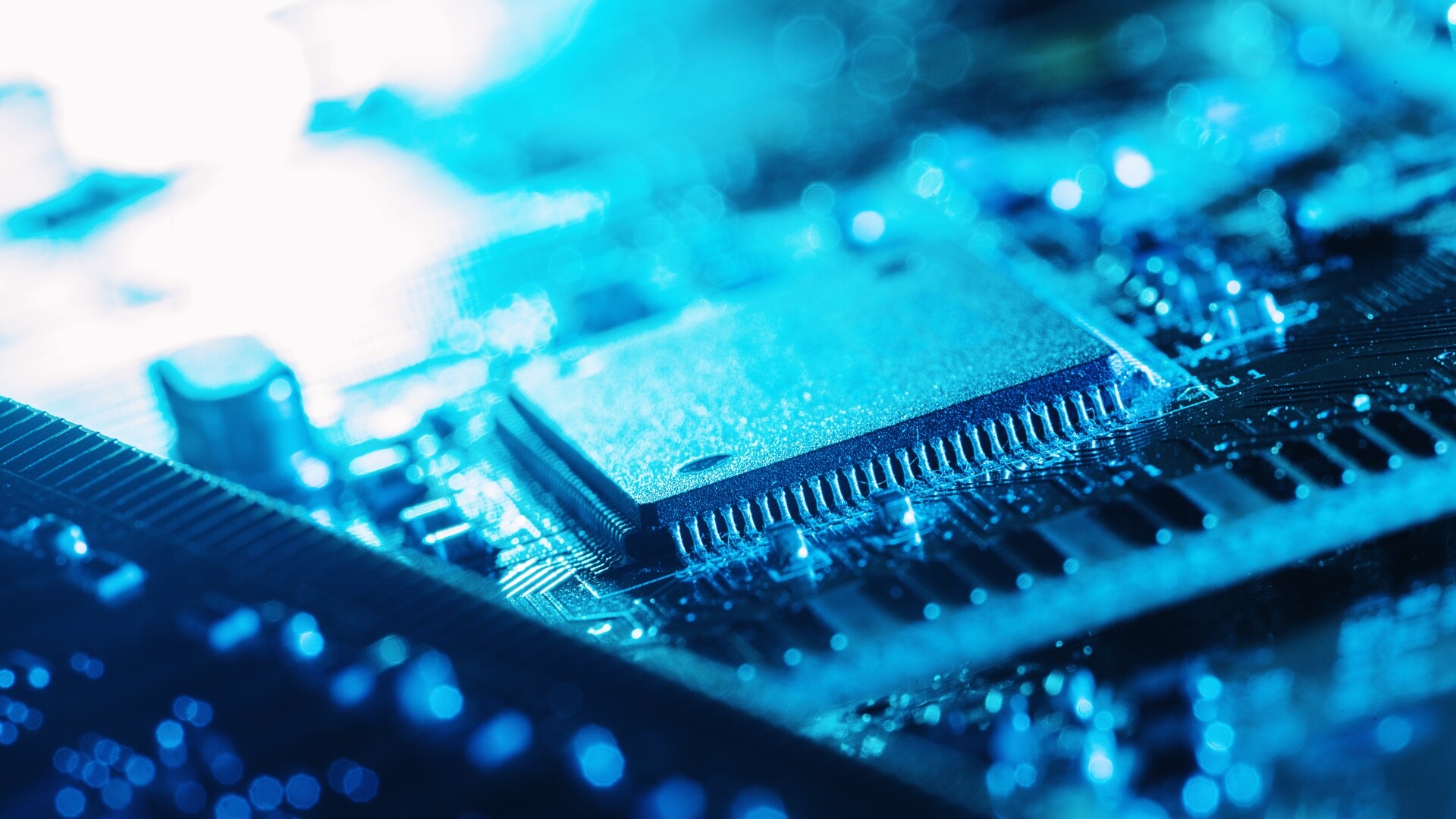
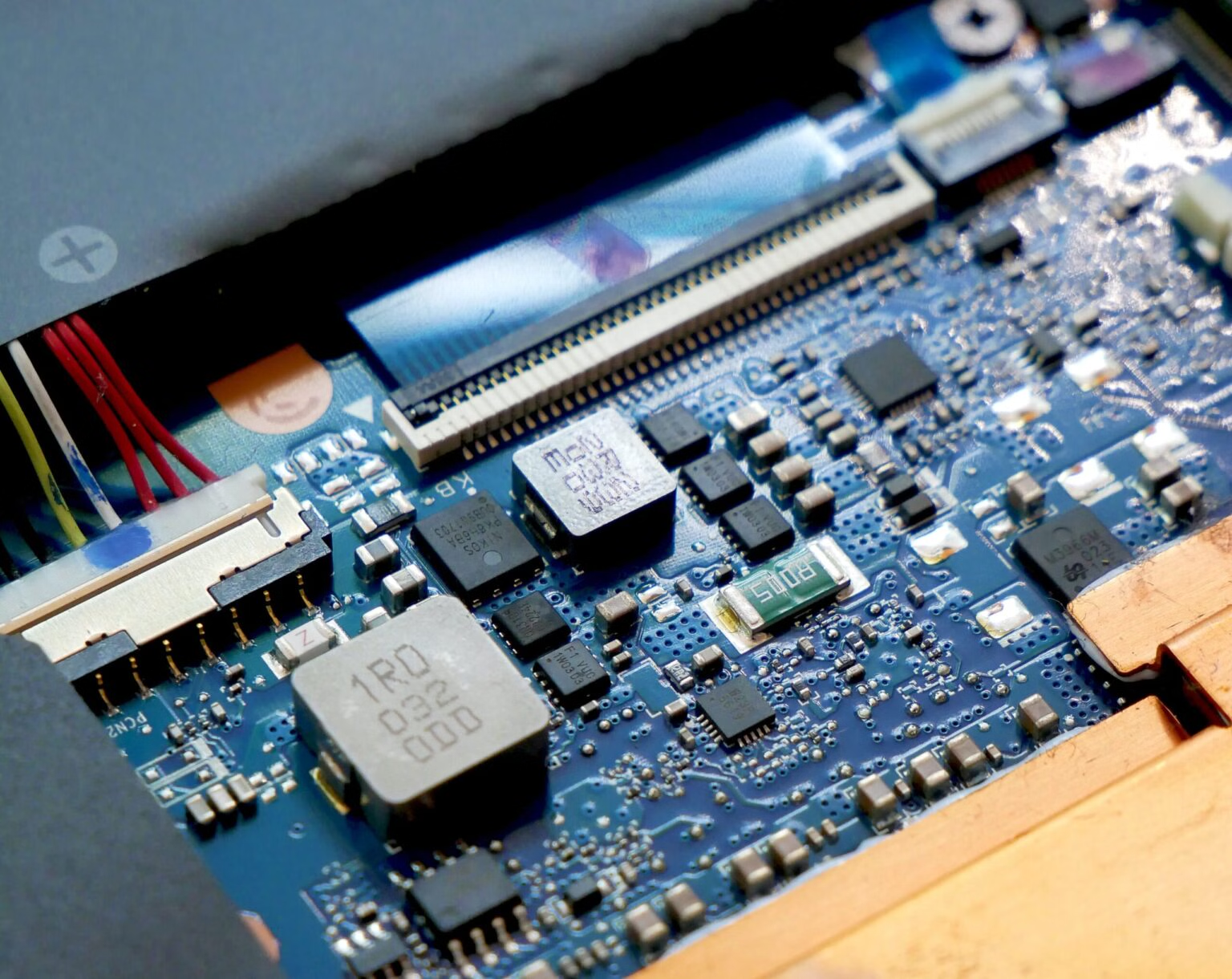
A key flashpoint has been the stalled production of high-purity polyphenylene resin (PPE). This material is essential for the laminates in modern printed circuit boards (PCBs), the backbone of everything from smartphones to powerful AI servers. The fact that SABIC accounts for around 70% of the world’s supply of this component means that any break in its Gulf Coast facilities immediately resonates with factories in South Korea and China.
The effects are tangible and costly. In April alone, PCB prices rose by 40% compared to March, which overlapped with the ongoing copper boom. Copper foil, which accounts for nearly 60% of raw material costs in wafer production, has become 30% more expensive this year. For manufacturers such as South Korea’s Daeduck Electronics, which supplies Samsung and AMD, this situation has forced a complete shift in management priorities. Instead of negotiating contracts with customers, operations directors now spend most of their time securing chemical supplies. Waiting times for epoxy resins have increased dramatically – from three to as much as fifteen weeks.
The AI infrastructure sector is feeling the most pressure. Multilayer circuit boards used in data centres are many times more expensive than standard models, and prices can exceed 13,000 yuan per square metre. Despite this, cloud providers seem ready to accept these increases. With talk of the PCB market growing to nearly $96 billion by 2026, key players are prioritising continuity of supply over margins.