
OpenAI is preparing the biggest ChatGPT redesign in its history. As reported by the Financial Times, the startup plans to transform its flagship product from a conversational bot into a full-scale ‘super-app’. The new version of the platform will integrate advanced coding tools based on the Codex solution and autonomous AI agents. This deep reorganisation has one main goal: to maximise revenue ahead of a planned initial public offering (IPO).
The change reflects a broader strategic shift within the Sam Altman-led company. Rather than focusing solely on the mass consumer, OpenAI is shifting resources towards the lucrative corporate sector. The decision is also a direct response to increasing pressure from rival Anthropic, whose position in the business solutions market is growing rapidly.
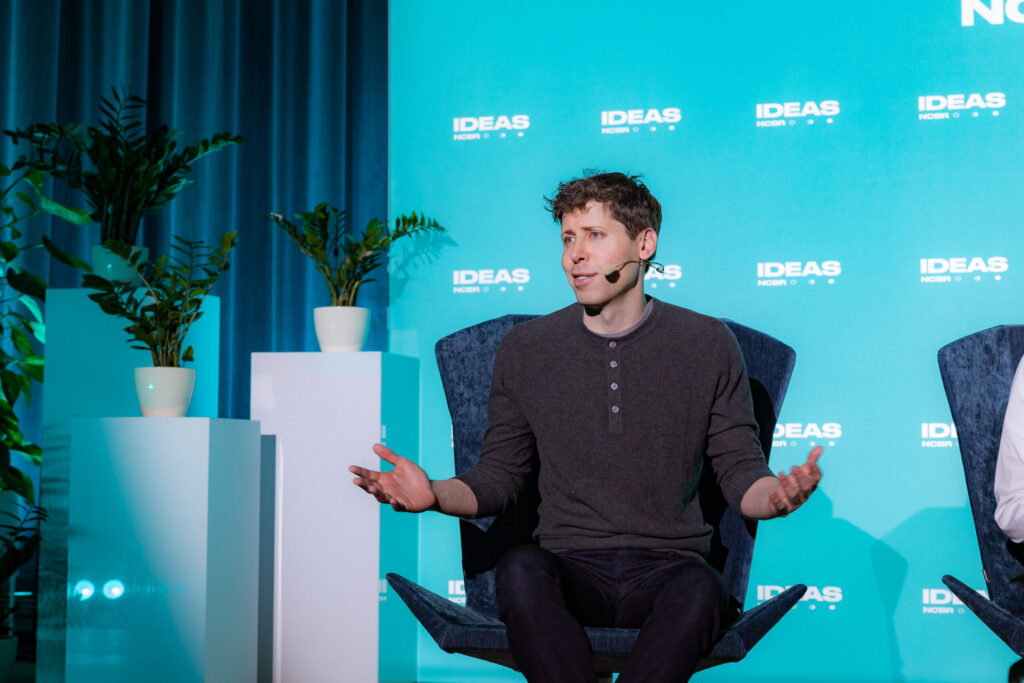
A key element of the new interface will be to explicitly direct users towards specialist ecosystems. The changes, which will hit the website and mobile apps in the coming weeks, will offer new prompts and features for easier access to image generation, code writing or third-party partner services such as Canva and Booking.com. By giving stronger exposure to the Codex product, OpenAI wants to monetise the habits of users, who are increasingly looking at AI as a working environment rather than just a tool for asking questions.
The numbers behind this decision show why the stakes are high. Although ChatGPT attracts more than 900 million weekly active users and has 50 million subscribers, it is the corporate sector that generates the most stable financial stream. Currently, around 2 million companies account for 40 per cent of the startup’s revenue, and management’s ambition is to increase this share to half before the end of the year.
Although Sam Altman is officially toning down the mood, saying that the company will only go public at the optimum time, preparations for a confidential US IPO application are underway. The transformation of ChatGPT into a multi-functional platform is expected to prove to investors that OpenAI can turn its gigantic popularity into sustainable profitability before the high cost of computing infrastructure weighs on its financial balance sheet.