Solita, a European player in the technology consulting market, is trying to take the lead in this race with the introduction of Solita RoadCrewAO. It is an enterprise-class tool that changes the way large organisations build software.
The key difference lies in the architecture. Instead of a single agent trying to predict the next line of code, RoadCrewAO relies on a multi-agent system. It is a digital ecosystem of specialised units, each with a different function: one plans, another writes the code, a third tests it and a fourth takes care of the documentation. For chief technology officers (CTOs), this signals that AI is no longer just an ‘intelligent autocorrect’ and is becoming an autonomous partner in the manufacturing process.
Solita’s strategy hits two of the most sensitive points for big business: security and vendor dependency. RoadCrewAO is technology agnostic, meaning that companies do not have to tie themselves permanently to a single model, such as GPT-4 or Claude.
They can use open source solutions offline, which for regulated sectors – finance or energy – is a prerequisite for AI adoption. What’s more, the system is designed with close human-in-the-loop oversight in mind, eliminating concerns about losing control over code quality and security.
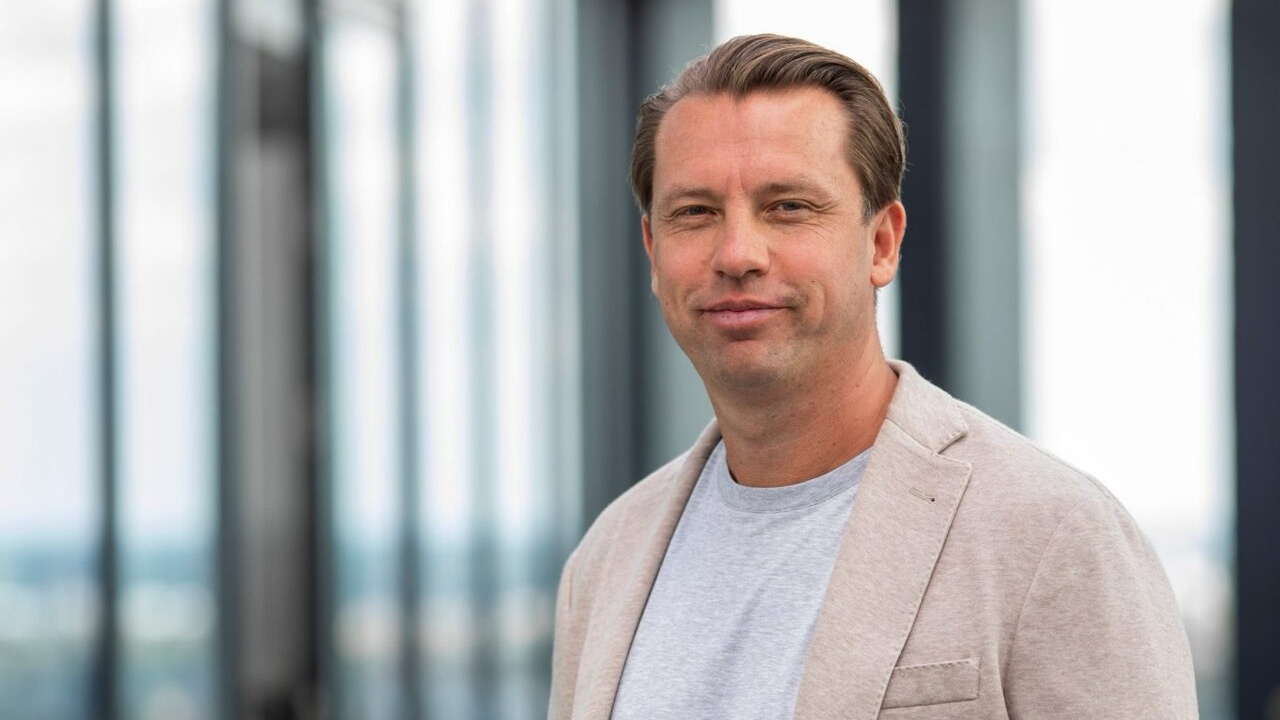
As Ossi Lindroos, CEO of Solita, points out, we are not dealing with a niche innovation, but with a new operational model. In this approach, AI learns the context of a specific organisation – its standards, business logic and specific development practices. It’s a shift from generic prompts to deep technology personalisation.
For Future Mind, a Polish company in the Solita Group, this launch is confirmation of a wider trend: the AI transformation is entering a phase of maturity. Engineers will not be replaced by machines, but their role will shift towards supervisors and architects of complex agent systems.