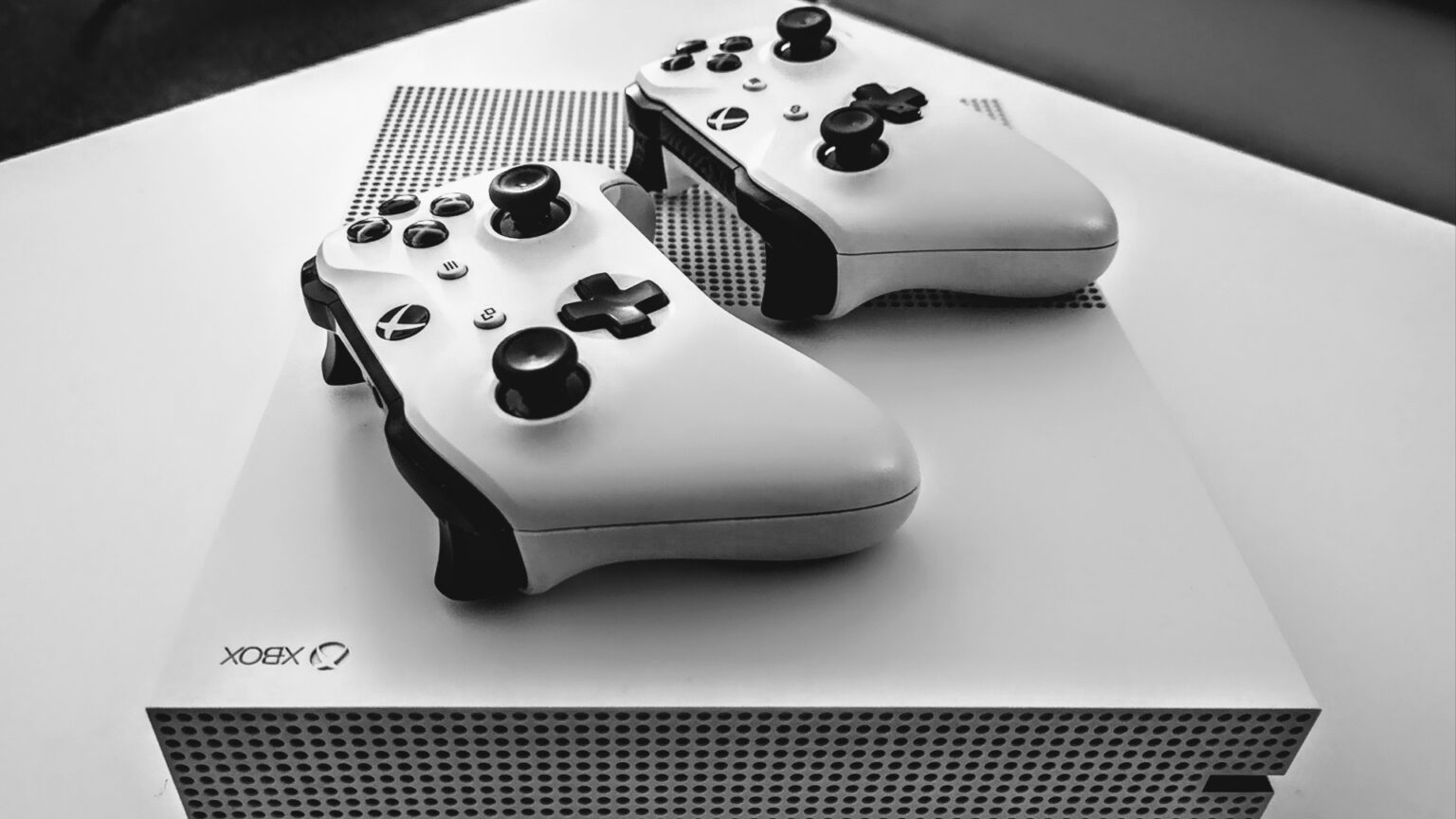
Microsoft is once again raising the prices of its Xbox consoles, and the reason goes far beyond the gaming market. The company attributes the decision to a sharp rise in the cost of memory and data storage, which have become some of the most sought-after components in an economy driven by artificial intelligence.
From 1 August, Xbox console prices will rise globally by up to $150. Models with 512 GB of storage are set to increase by $100, whilst 1 TB versions will rise by $150. Microsoft is also discontinuing the 2 TB model, which shows that the issue is not solely about profit margins, but also the availability of configurations with greater capacity.
According to Xbox, the prices of mass storage and console memory have risen more than 2.5-fold, and could double again by autumn 2027. This is particularly painful for console manufacturers, as gaming hardware has for years been sold at low margins or even at a loss, with profits expected to come from games, subscriptions and digital services. This model is harder to sustain when the cost of core components is rising faster than can be offset by content sales.
Microsoft is not alone in this situation. Sony raised the prices of the PlayStation 5 in April, following earlier price adjustments last year. Apple has also decided to increase the prices of selected iPads and MacBooks, citing rising memory costs driven by the construction of data centres for AI. It is therefore becoming increasingly clear that investment in artificial intelligence is having knock-on effects for ordinary consumers. The very same components needed for laptops, tablets and consoles are now being channelled into cloud infrastructure and AI servers.
For Xbox, these price rises come at a difficult time. According to reports by Bloomberg, Microsoft’s gaming division is preparing for redundancies and cuts to marketing and other budgets. At the same time, the company is facing rising costs, fierce competition and uncertain consumer spending.
The key takeaway is simple: the AI boom is beginning to affect the prices of products that, on the face of it, have little to do with it. The games console is becoming yet another example of how AI infrastructure is competing with consumer electronics for the same resources.