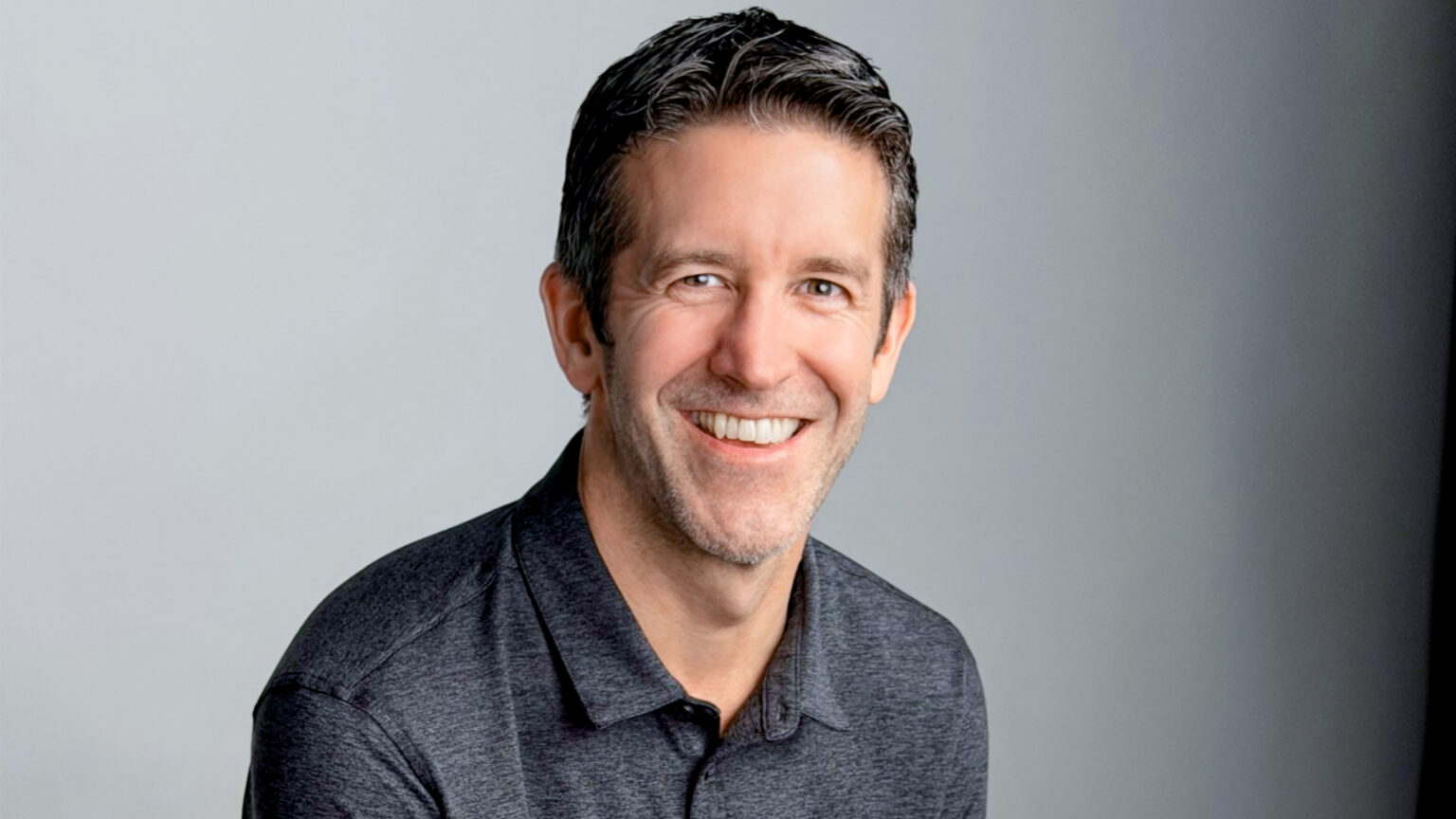
When John Ternus officially takes the helm in Cupertino on 1 September, Apple will not only have a new CEO, but also clearly declare its strategy for the most uncertain decade in Silicon Valley history. The appointment of the 50-year-old hardware engineering veteran as Tim Cook’s successor signals that, in a world awash with pure software AI, Apple intends to defend its position with a physical product.
Ternus takes the reins at a symbolic moment. Apple, long holding the title of the world’s most valuable company, has had to give way to Nvidia, the giant driving the artificial intelligence infrastructure. While Microsoft and Google spend billions integrating language models into every aspect of their ecosystems, Ternus brings a philosophy to the CEO’s office that can only be described as stubborn pragmatism. His approach, summarised in the slogan that Apple “doesn’t ship technology, it ships products”, suggests that the company is not going to race on the number of parameters in AI models, but on how the technology will change everyday interactions with an iPhone or Mac.
His track record builds a picture of a leader who can take risks where others look for safe solutions. It was Ternus who was behind the transition of the Mac line to Apple’s proprietary Silicon processors, ending years of dependence on Intel and breathing new life into the personal computer segment. He was also the one who oversaw the launch of the iPhone Air and the MacBook Neo – a device that, by using chips from the iPhone 16 Pro, aggressively competes for the market with a $599 price tag.
Internally, Ternus has a reputation for perfectionism that evokes the work ethos of Steve Jobs. Anecdotes of quarrels with suppliers over the number of grooves on a user-invisible display screw circulate through the corridors of Cupertino as evidence that Apple under his leadership is not about to give up its obsession with detail. Analysts point out that Ternus is widely liked and respected by executives, which could make it easier for him to guide the company through the difficult process of Siri transformation and integration with third-party models such as those from Google or OpenAI.
The question facing the new CEO, however, goes beyond hardware engineering. Rivals, from Samsung to Meta with its Ray-Ban AI glasses, are hoping that Apple’s focus on devices will prove to be their Achilles’ heel in an era where the operating system may be replaced by a smart assistant.
The challenge for Ternus is clear: he must prove that building great hardware is still the best way to protect the platform, and that artificial intelligence is just another tool in the hands of the engineer, not an end in itself. On 1 September, Apple under Ternus will enter a new era where pragmatism will be put to the ultimate market test.