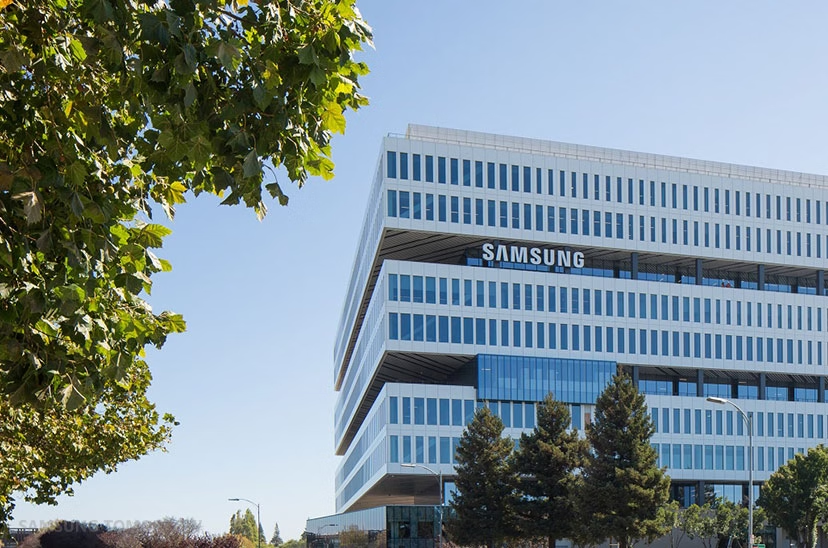
Samsung Electronics is facing one of the biggest operational crises in its history. Although the tech giant’s management has offered an unconditional resumption of wage talks, the South Korean trade union remains adamant. An 18-day strike scheduled for 21 May is becoming increasingly real, which has caused immediate nervousness in the markets and a steep 9.3 per cent drop in the company’s shares.
Underlying the conflict is deep frustration among workers. The unions point to a huge gap in the bonus system compared to its direct competitor, SK Hynix. If the impasse is not broken, more than 50,000 people could walk away from their jobs. Such a scenario directly hits the world’s largest memory chip maker and raises serious concerns about the stability of the global technology supply chain. Analysts at NH Investment & Securities point out that prolonged uncertainty undermines confidence in Samsung’s supply reliability, which could quickly benefit market rivals ready to take over existing orders.
The scale of potential financial losses is striking. A report by investment bank JPMorgan suggests that widespread employee participation in the protest will hit the bottom line much harder than initially expected. Analysts estimate the damage to Samsung’s operating profit at between $14 billion and nearly $21 billion (21-31 trillion won), while direct sales losses could reach 4.5 trillion won.
The situation has outgrown the framework of an internal corporate dispute, forcing an immediate response from South Korea’s highest authorities. The Prime Minister and the Minister of Finance have publicly warned that the strike poses a real threat to domestic exports, financial markets and overall economic growth. There have even been announcements of the possible triggering of emergency government arbitration by the labour minister, although the presidential administration is toning down the mood, seeing this as a last resort step.
Samsung management is desperately trying to salvage the situation – managers went directly to the Pyeongtaek campus to negotiate with union leaders. The company has publicly apologised for the dispute and declared itself fully open to compromise. Time is short, however, and the trade unionists have firmly announced that they will only return to the table if detailed and satisfactory financial proposals are presented. For the global technology market, the coming days will be a crucial test of resilience.