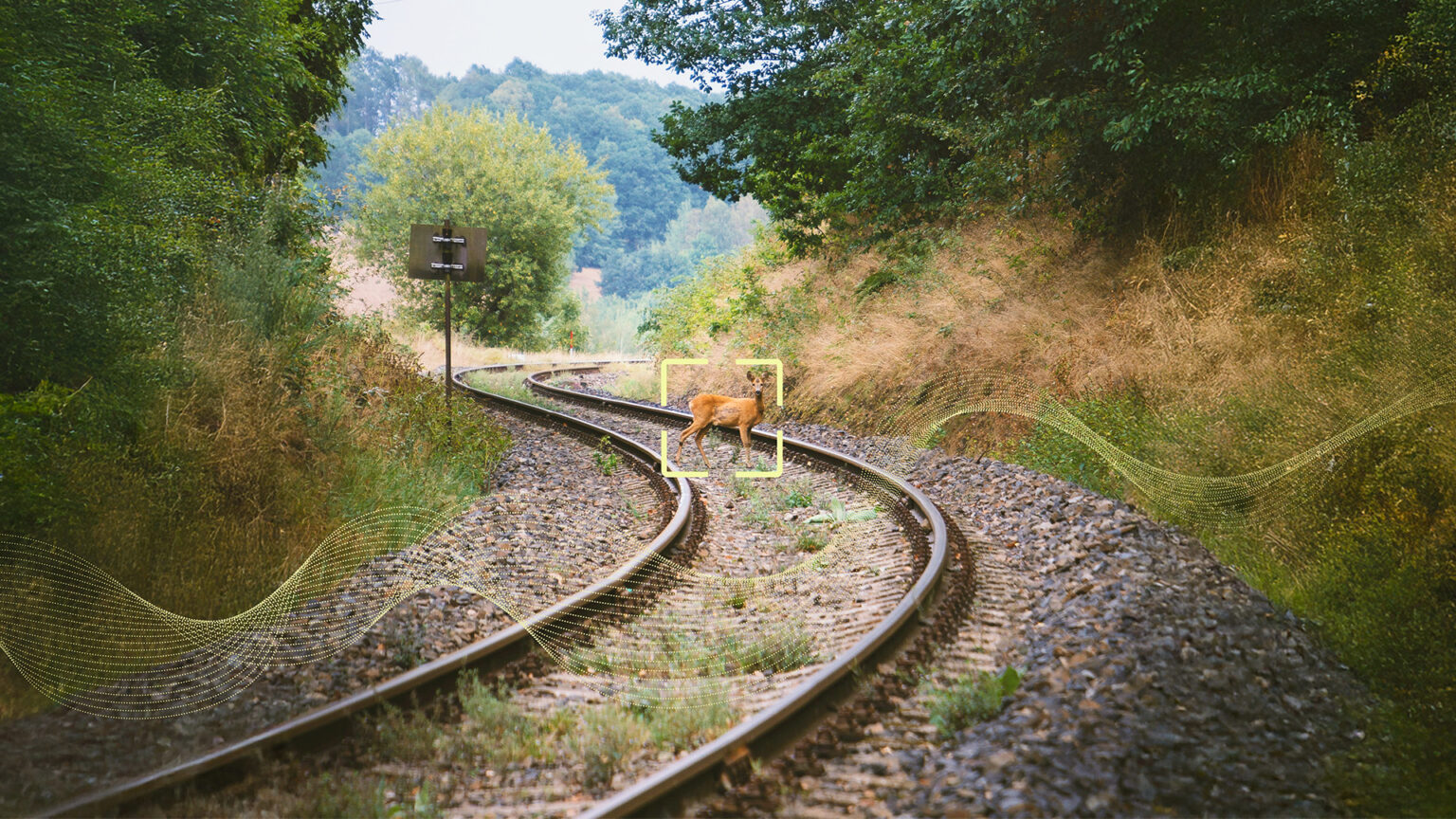
Alstom is conducting extensive field tests in Sweden of an artificial intelligence-based technology that identifies and deters wild animals near the tracks. The project is being carried out jointly with Swedish start-up Flox Intelligence. Tests so far indicate the new technology’s great potential to reduce the risk of train collisions with wild animals, which are one of the most common causes of disruption to rail traffic in Sweden. Around 5,000 train accidents involving animals are reported each year in the country.
– The field tests of the new technology are a significant step towards further strengthening safety and supporting the sustainability of Swedish rail transport. We are positively surprised by how many animals we have been able to observe from a single train on sections with high collision rates. By reducing collisions between trains and wildlife, we can protect both passengers and nature, while reducing the operational and social costs associated with such incidents,” emphasises Maria Signal Martebo, Managing Director of Alstom in Sweden.
The technology relies on cameras working in tandem with AI systems to identify animals in real time and trigger tailored sound signals to scare them away from the vicinity of the tracks. In the first phase of testing, the AI identified several species found along the railway lines, including moose, roe deer, foxes and wild boar. The system also identified smaller animals, including birds, which were previously rarely included in railway statistics. Each animal detection is categorised, allowing the AI system to continuously improve its performance.
The second phase of deployment, which began in April 2026, has been expanded to include full system functionality, including both video detection and active audio deterrence.
– The field tests carried out show that artificial intelligence has the potential to identify animals very precisely. ‘By combining our expertise in wildlife deterrence with Alstom’s experience in developing innovations for railways, we are creating a solution that simultaneously protects animals and increases the operational reliability of rail transport,’ says Sara Nozkova, CEO of Flox Intelligence.
Tests were conducted on several railway lines in Sweden, including Dalabanan, Bergslagsbanan, Godsstråket via Bergslagen and Bergslagenpendeln. The technology development collaboration is being carried out as part of Alstom’s partnership agreement with Tåg and Bergslagen, the regional organiser of passenger rail transport in Sweden. The project is also a product of the Alstom Innovation Station in Stockholm, inaugurated in 2023. The centre, which acts as a hub for collaboration with Nordic start-ups and the implementation of innovative solutions for the transport sector, has played a key role in joint work with Flox Intelligence.
source: Alstom