



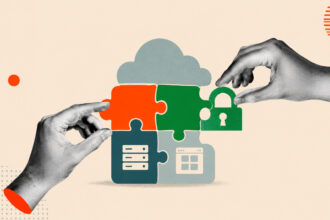
IT consolidation: a simpler system or a costly trap?
Consolidating IT vendors promises fewer contracts, integrations, and costs. In practice, however, it can turn hundreds of minor…

The Data Act tackles vendor lock-in. How will it change the IT landscape?
Over the years, many technology providers have retained customers not through the quality of their services, but through…

The printing works as a new-generation smart factory
Automatyzacja stała się jednym z najważniejszych kierunków rozwoju współczesnego przemysłu. Firmy coraz częściej wykorzystują dane, inteligentne systemy monitorowania…

NIS2 in practice: what the regulator expects from technology companies
The biggest change brought about by NIS2 is not new obligations, but new criteria for evaluating companies. Technology…

Digital products as regulated products: what the CRA changes
Until recently, the manufacturer of a digital product was primarily responsible for its functionality. Under the Cyber Resilience…

AI starts with ERP and CRM. Why has system modernisation become a priority for CIOs?
More and more companies are investing in generative AI, but they quickly discover that the biggest limitation isn’t…

The Cyber Resilience Act: why software developers cannot wait until 2027
Most companies are counting down the days until the Cyber Resilience Act takes full effect in 2027. Meanwhile,…

How to identify a high-risk AI system within a company
The biggest challenge posed by the AI Act may not be the implementation of new procedures, but rather…

AI Act: the last four weeks to get the company in order
Over the past few months, the AI Act has been an issue that many companies could put off…

AI can make mistakes. The problem arises when nobody knows who is responsible for them
The implementation of AI in a company usually begins with questions about efficiency, costs, and automation, but sooner…

Smart homes and cybersecurity: a summer test of your home’s infrastructure
A vacation trip increasingly means that an empty home remains heavily connected to the internet: cameras are designed…

5 technology decisions you shouldn’t put off until September
The calm of the summer break can be deceptive in companies, because many technology decisions that seem postponable…

Personal technology for the summer: privacy whilst travelling and remote working outside the office
Remote work during vacation rarely seems risky: it’s usually a quick login from a hotel, an email replied…

How much does AI infrastructure really cost?
AI enters companies through the back door: first as a pilot project, a quick test, a tool for…

The cloud doesn’t always cut costs. When does the bill take the CFO by surprise?
Cloud spending is increasingly becoming one of those technology costs that grow faster than their business impact. For…

Energy and data centres: the hidden cost of the AI economy
The biggest constraint on AI development may not be a lack of data, talent, or ideas for automation,…

The IT market in July: AI, cybersecurity and the cloud
July in the IT market is shaping up to be a month in which the most important technology…

Digital sovereignty does not arise from declarations
Digital sovereignty has become one of the most frequently cited concepts in the European debate on technology, but…

AI in business requires control over data quality
Artificial intelligence in businesses is less and less about access to technology and more and more about testing…
AI doesn’t just write code. It’s transforming the entire software development model
AI in programming is no longer just a tool for writing code faster; it is becoming a catalyst…

What the board should know about the AI Act before making decisions over the summer holidays
The AI Act is no longer just an abstract regulation from Brussels, but a practical test of whether…