Generation Z spends a lot of time on social media, but they still mainly look for job vacancies on platforms designed for recruitment. For employers, this means that eye-catching communication may grab attention, but the decision to submit a CV is primarily driven by specific terms and conditions and a straightforward application process.
A survey by Smart Solutions HR shows that the most popular source of job vacancies among young candidates is Pracuj.pl, ahead of OLX and recommendations from friends. Facebook and LinkedIn ranked further down the list, whilst Instagram and TikTok brought up the rear. Over 30% of respondents have never applied for a job they found on social media.
This does not mean that social media platforms are irrelevant to recruitment. CBOS data shows that 72% of Poles aged 18–24 use Instagram regularly, and 48% use TikTok. However, only 4% of respondents in this group mentioned LinkedIn. Social media therefore works better as a channel for building employer recognition than as a place to finalise applications.
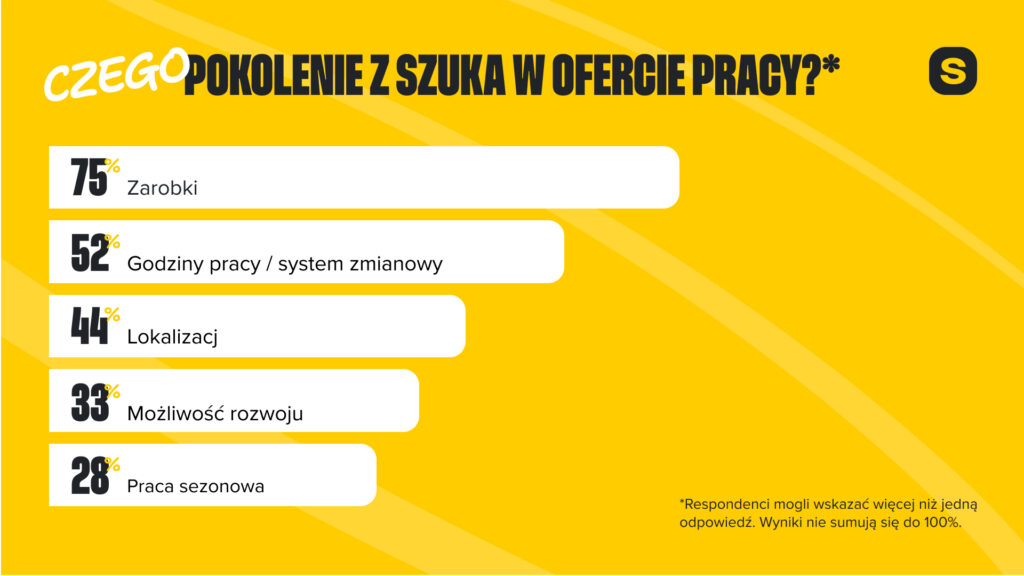
The terms of employment remain the most important part of a job advertisement. 75% of respondents to the Smart Solutions HR survey expect information on salary, 52% on working hours or shift patterns, and 44% on location. 33% of respondents cited opportunities for development. Employer branding therefore only begins to take effect once the candidate is aware of the basic details of the offer.
– For the youngest candidates, it is not only the content of the advert that matters, but also how much effort is required to respond to the offer. The form does not need to be elaborate to fulfil its purpose. At the initial stage, the key is to gather the most important information and enable quick contact. Too many fields, the need to log in separately, or having to repeat the same details can lead a candidate to postpone applying. And in practice, this often means they won’t return to it at all – points out Grażyna Pogan, Business Development Manager at Smart Solutions HR.
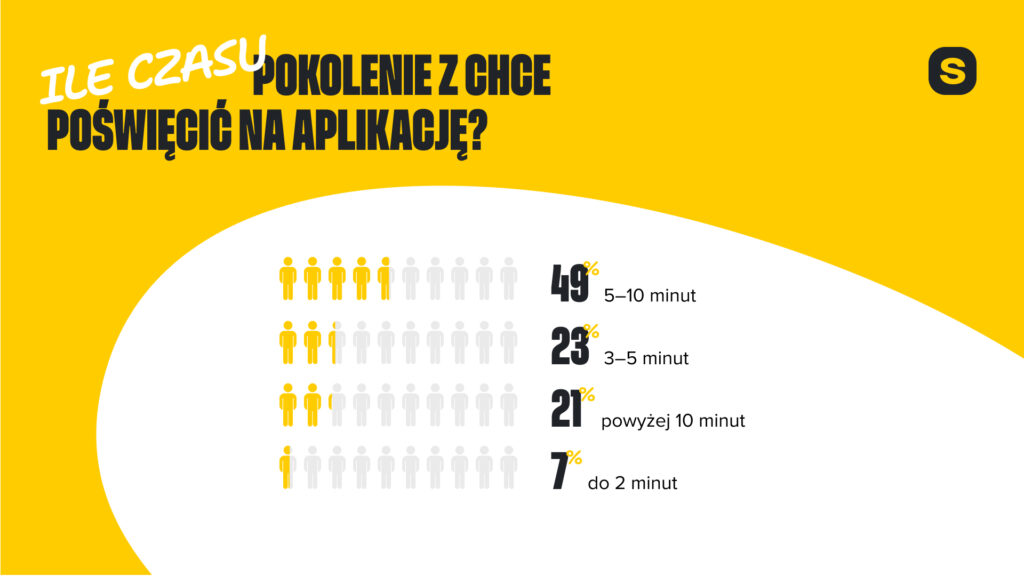
Nearly half of respondents would like to spend between five and ten minutes on an application, whilst 23 per cent would prefer three to five minutes. The advantage, therefore, may lie not with the most ‘modern’ recruitment process, but with one that minimises the number of steps and conveys information quickly.
This picture is consistent with a global Deloitte survey from 2026, according to which young employees are more likely to define career progression in terms of stability, skills development and well-being than in terms of rapid promotion.
However, the results from Smart Solutions HR should be treated as an indicator rather than a complete picture of the market, as the report does not specify the size or structure of the sample.