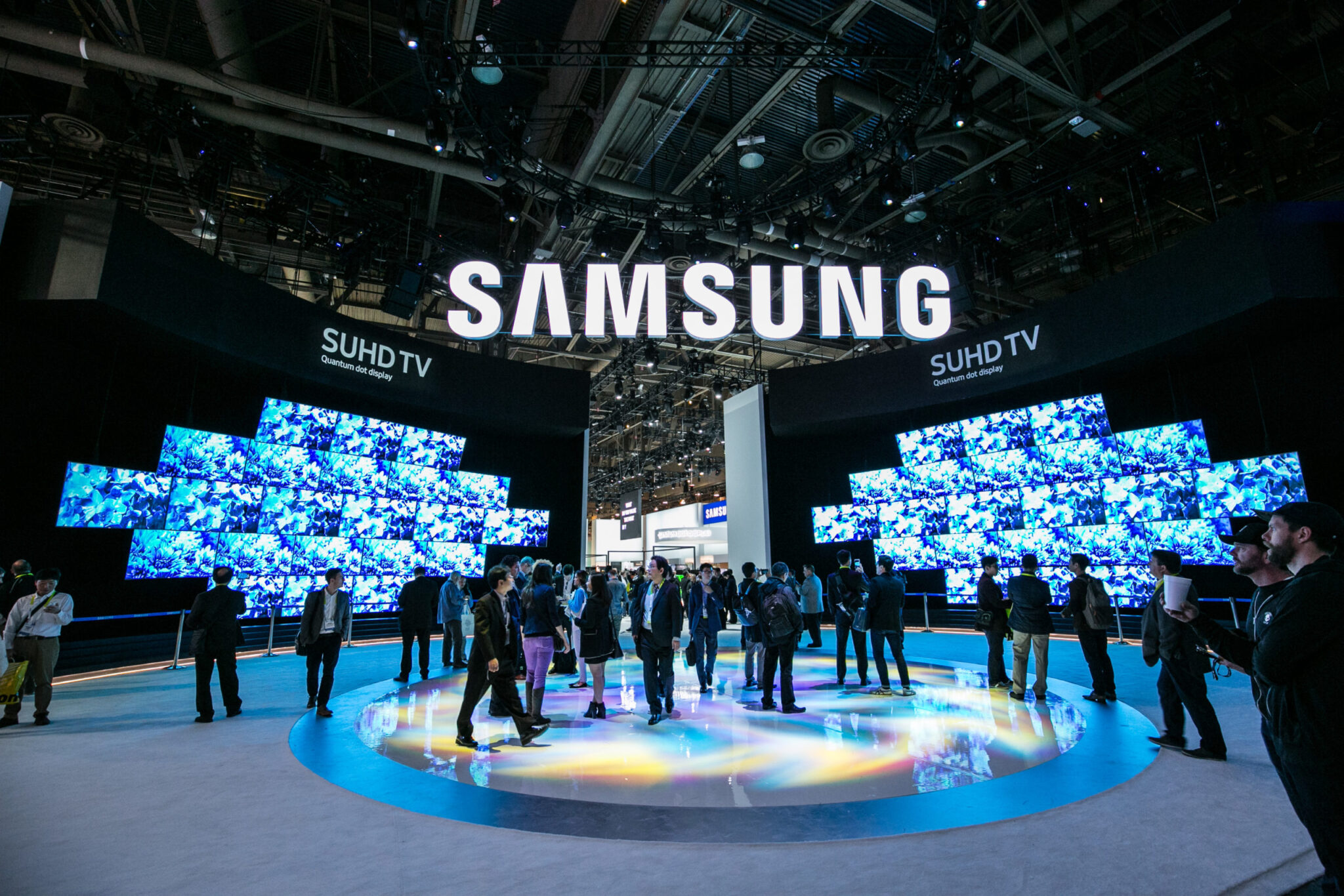
Samsung Electronics, the cornerstone of the global semiconductor market, has embarked on a new path of confrontation with its workers. The giant has asked the court to block the actions of its unions, which the company describes as illegal. The move is an attempt to secure production continuity at a time when global demand for artificial intelligence chips is reaching critical levels.
The crux of the dispute centres around the 18-day strike planned for May and the methods of pressure used by the social side. While the unions accuse management of ‘declaring war’ and violating the constitutional right to protest, Samsung’s management argues that their legal intervention does not strike at the very idea of a strike, but is intended to prevent radical forms of expression, such as the occupation of production lines. For a company that has just reported an eightfold increase in operating profit to 57.2 trillion won, every day of downtime at the Pyeongtaek complex means losses running into billions of dollars.
The workers’ frustration is deeply rooted in economic and image reasons. The market success of rival SK Hynix and the growing disparity in bonus schemes has led the workforce to demand the removal of salary caps and a closer link between bonuses and real company profits. Samsung’s record financial performance has become the unionists’ strongest argument in the negotiations, giving them the feeling that the company has capital that it is unwilling to share fairly.
From a business perspective, the escalation of this conflict comes at the worst possible time. The global data centre infrastructure, driven by the AI arms race, is extremely sensitive to any fluctuation in the supply of DRAM and NAND. The possible paralysis of half the capacity in Pyeongtaek would instantly translate into bottlenecks, hitting sectors from automotive to consumer electronics.
Samsung needs to act to avoid downtime and maintain growth levels, but pulling up the strings on the conflict with its employees seems a short-sighted move, given that tensions have been ongoing for several months. The company does not seem to have any idea how to resolve the conflict beyond maintaining the status quo, and the consequences, such as the occupation of production lines, could realistically affect the business. It could come to the point where the Korean giant not only has to go along with the unions, but also gifts a market ace to its competitors by being forced to halt production.