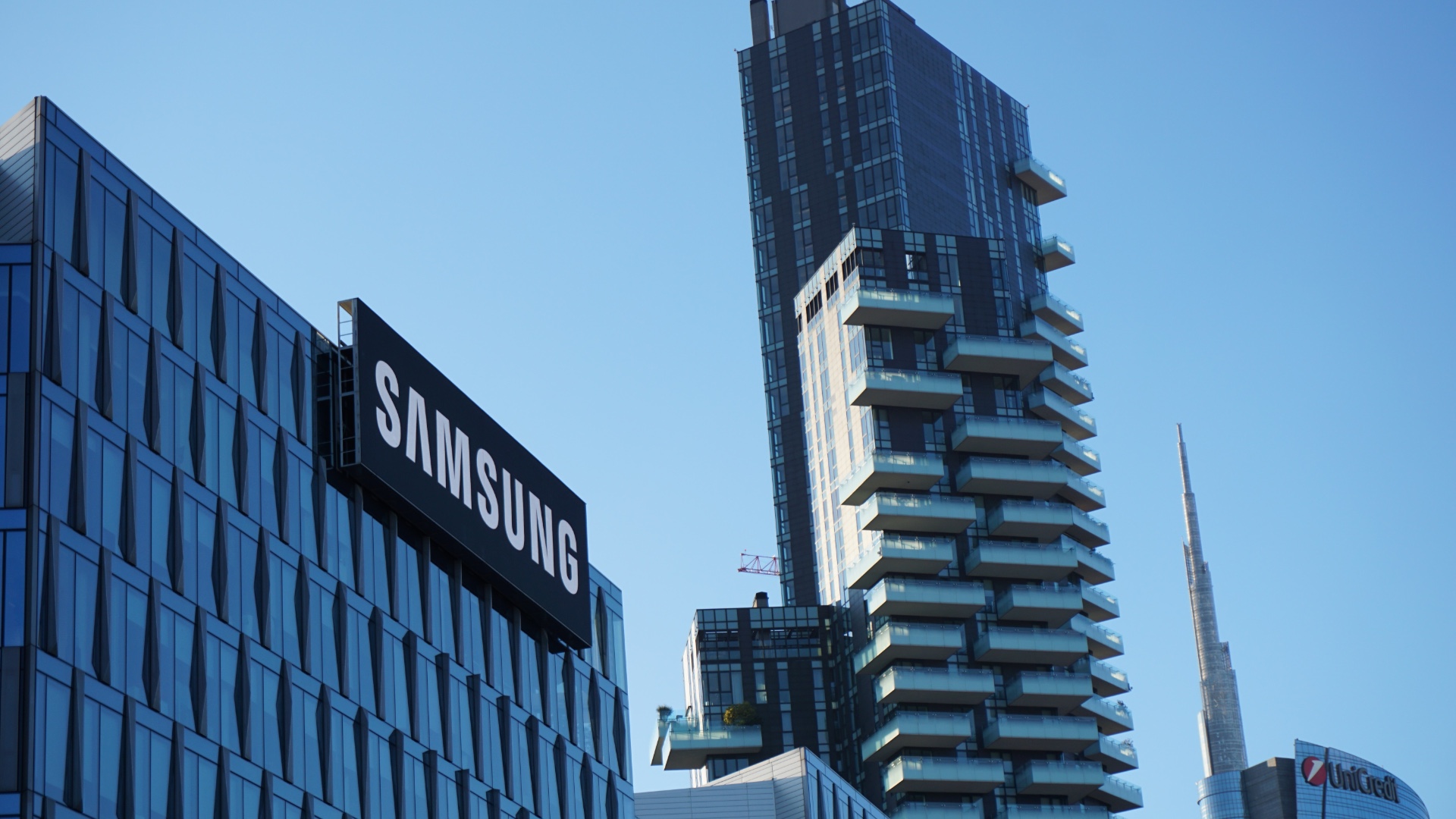
Despite the continuing high demand for memory chips used in artificial intelligence, investors are beginning to question how long manufacturers will be able to sustain the current pace of price rises. This was enough to trigger another wave of sell-offs in the shares of South Korea’s largest chipmakers.
Shares in Samsung Electronics and SK Hynix fell sharply during Wednesday’s trading session in South Korea, reversing earlier gains. At the lowest point of the day, Samsung’s shares were down 7.6 per cent, whilst SK Hynix’s were down 5.2 per cent. The falls came despite a morning rebound and positive news regarding SK Hynix’s planned initial public offering in the United States.
The immediate trigger was Samsung’s preliminary second-quarter results. Although the company reported a nearly 19-fold increase in operating profit thanks to strong demand for memory chips for AI systems, the market felt that the result fell short of investors’ exceptionally high expectations. As a result, the sell-off quickly spread not only to Korean companies but also to the US semiconductor sector.
Concerns do not relate to current demand, but to the outlook for the coming months. Analysts point out that memory supply remains limited, but investors are watching ever more closely to see whether the pace of DRAM and NAND price rises will begin to slow in the second half of the year. At the same time, rising costs of processors and other components are driving up the prices of computers and smartphones, which may limit device manufacturers’ purchases of additional memory.
This means that the market is moving from a phase of enthusiasm over the AI boom to a more rigorous assessment of future profits. For investors, it is no longer just record demand that matters, but above all the answer to the question of whether memory manufacturers will be able to maintain high margins even when prices begin to stabilise.
At the same time, some analysts remain optimistic. JPMorgan estimates that memory prices will continue to be the main source of profit growth in the second half of the year, as supply is still failing to keep pace with demand. The bank also highlights the continued strong demand from US operators of the largest data centres, which may continue to support the NAND memory market.