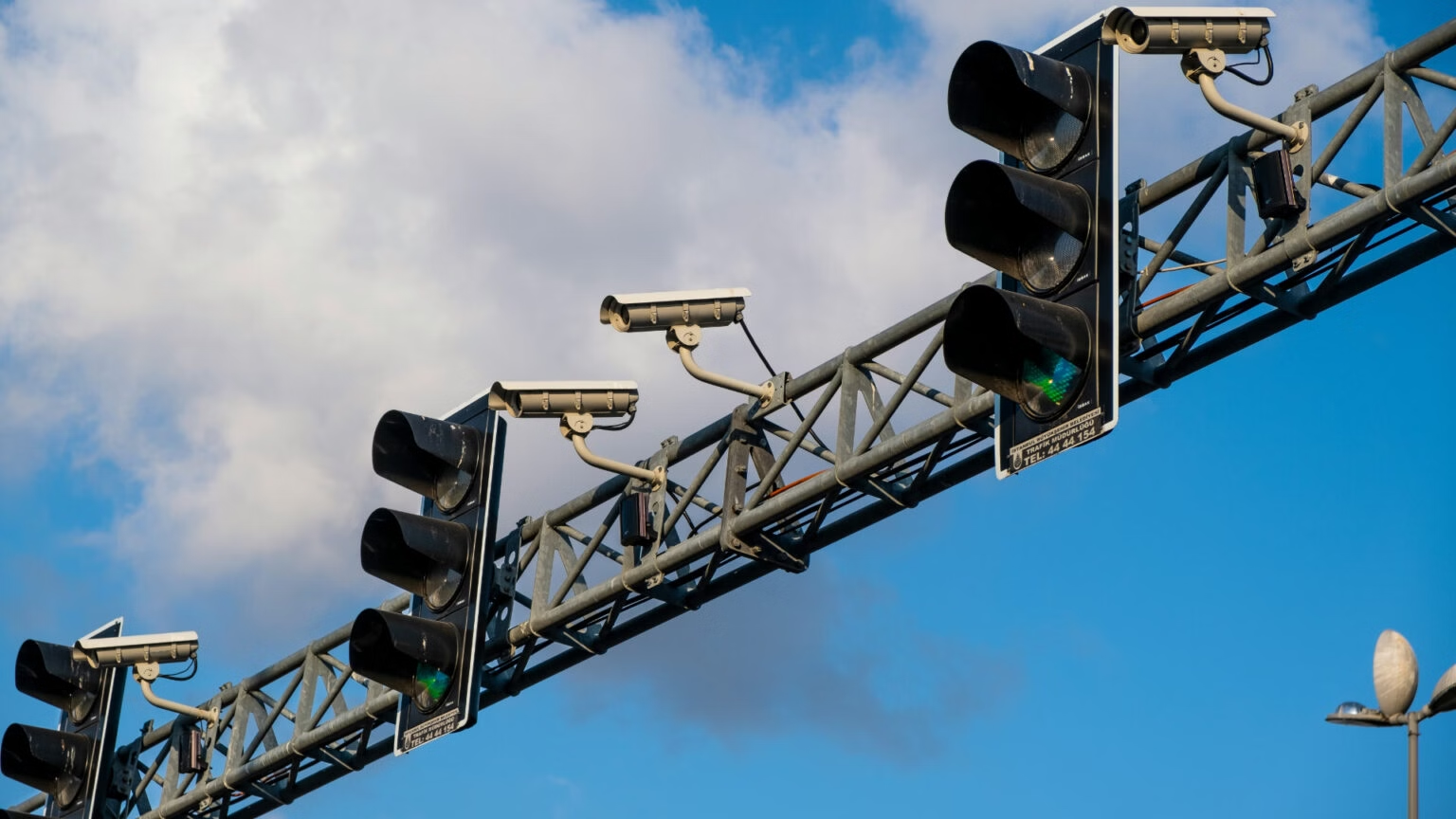
The Slovak National Security Authority (NBU) has identified the road traffic radars under testing as a significant cyber threat. The analysed device was found to have, amongst other things, hardware and software components of unclear origin, pre-configured remote access mechanisms, inconsistencies in communication interfaces and weak security measures. However, there is no evidence that data was actually compromised or transferred to Russia.
The case concerns two cameras being tested for the Slovak Ministry of the Interior as part of a project funded by the EU recovery plan. The ministry ordered their removal and terminated its cooperation with the supplier, Soitron. The company rejects the allegation that it misled the ministry. The Slovak Data Protection Authority has also launched an investigation.
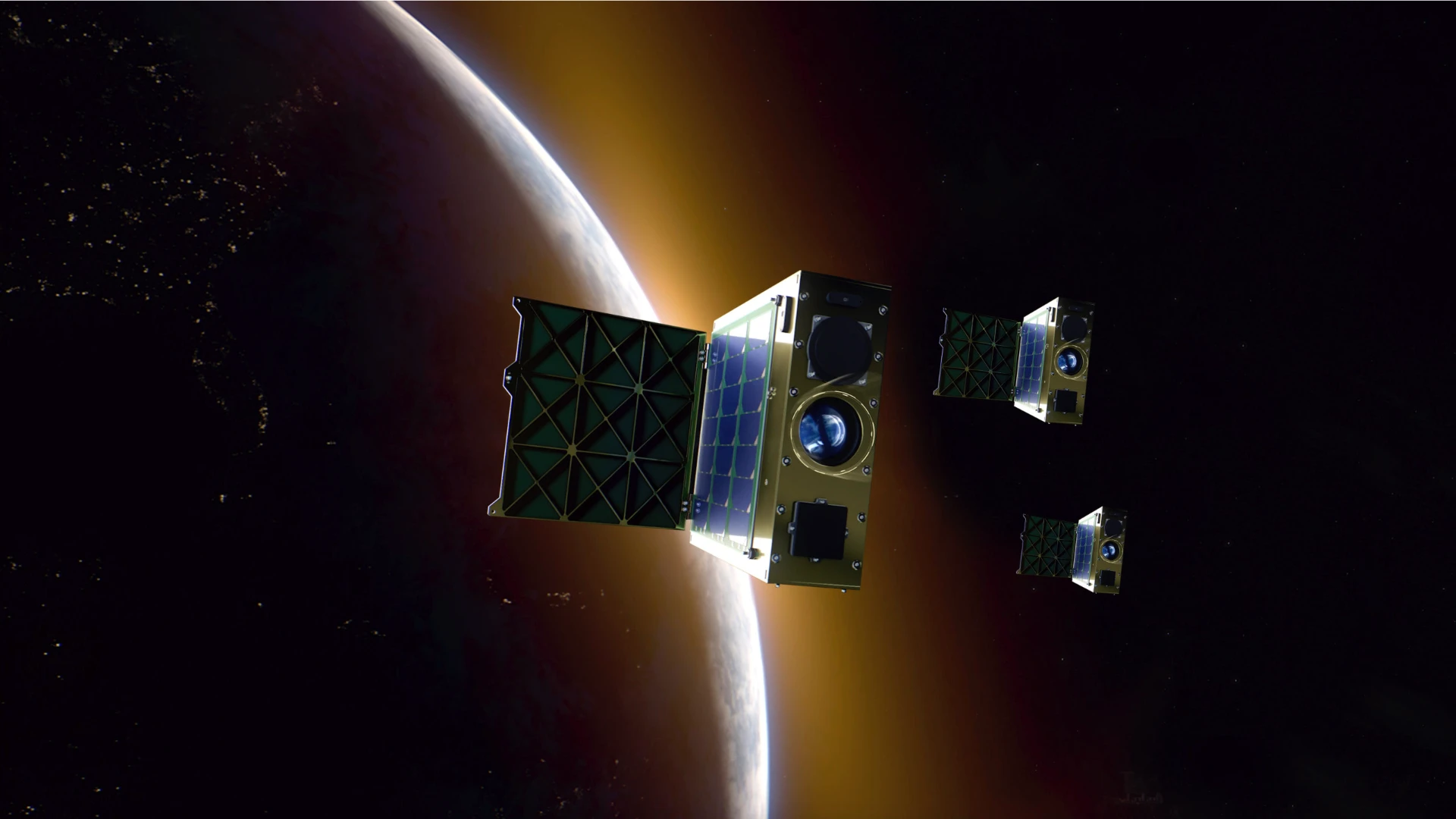
Prime Minister Robert Fico is downplaying the scale of the problem, arguing that two cameras cannot threaten national security, and that spy satellites gather far more information. From a technological point of view, however, the crux of the matter is not the number of devices, but control over data transmission, software and the supply chain.
The scandal comes at a particular moment. In July, the EU identified Slovakia as one of the countries targeted by Russian cyber operations . At the same time, the EU is tightening security checks on ICT suppliers and reducing dependence on high-risk entities.
This could result in more thorough audits of equipment, stricter requirements for contractors, and increased costs and longer lead times for public technology projects. The NBU has already advised other operators to check whether they are using similar devices, so the problem may extend beyond the two Slovak radars.